

In short
Patchouli oil is distilled from the dried, fermented leaves of Pogostemon cablin, mainly in Indonesia. It is an essential base note for chypres, orientals and modern woody fragrances.
What Patchouli Oil smells like
Patchouli oil is reddish- to greenish-brown and viscous, with a characteristic, slightly camphoraceous, woody, balsamic odour, in ChemicalBook's description; a patent calls its woody, earthy, camphoraceous and floral facets powerful and well balanced. Fresh, it is sharp, green-earthy and camphoraceous; after hours, dark, sweet-woody and richly earthy. Patchoulol is its main constituent, but one source finds the trace norpatchoulenol contributes more to its characteristic odour.
- Leading note
- Dark earthy wood
- Clear facets
- Camphoraceous
- Supporting facets
- Sweet balsamic
- Faint facets
- Leathery, spicy, floral
- Character
- Dark, rich, tenacious, deep
What makes Patchouli Oil distinctive
Earth, camphor and sweetness together — the base of the chypre, darkening and sweetening as it dries.
Where the descriptions disagree: Sources disagree on whether patchoulol or the trace norpatchoulenol carries the characteristic odour.
How Patchouli Oil is used
Used as a base and fixative in chypre, oriental, woody and gourmand compositions.
Typical role: backbone (used in large proportions as a structural material of an accord); fixative (slow to evaporate; helps a blend last and holds lighter notes).
How Patchouli Oil differs from similar materials
- Patchoulol
- A patent finds a patchoulol-rich product less earthy, camphoraceous, spicy and leathery than the natural oil. (compared directly by a cited source)
- Vetiver Oil
- Vetiver is drier and rootier, with smoke and a grapefruit-like lift; patchouli is darker, sweeter and more camphoraceous.
- Clearwood
- Clearwood, made by fermentation, is a soft, clean patchouli without the earthy, leathery and rubbery notes of the oil. (compared directly by a cited source)
An asterisk marks a difference that a cited source states directly. The others compare the published descriptions of each material. Smell varies with grade, supplier and dilution; compare them side by side on blotters before substituting one for another.
Formulation considerations
Viscous and dark in crude qualities; iron-free and fractionated grades are lighter in colour.
Identity and classification
- Type
- Essential oil
- Origin
- Natural
- Odour family
- Woody / Chypre
- Note position
- Base note
- Physical form at room temperature
- Viscous liquid
- Botanical source
- Pogostemon cablin (Blanco) Benth.
- CAS number
- 8014-09-3
The CAS number was checked on 19 October 2026 against a PubChem substance record that gives it for this material. A natural material is a mixture, so it has no single formula; its composition varies with origin and processing.
Safety and compliance
This page is general information, not a safety assessment or a specification. Confirm identity, composition, IFRA status and allergen content from your supplier's documents for the lot you hold.
Materials it works with
-

 Vetiver Oil
Essential oil · Woody / Green — earthy, smoky, woody, rooty
-

 Rose Oil (Rosa damascena)
Essential oil · Floral / Fruity — rose, honeyed, spicy, fresh
-

 Labdanum Absolute
Absolute · Amber / Leather — amber, balsamic, leathery, animalic
-

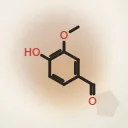 Vanillin
Aroma chemical · Gourmand / Amber — vanilla, sweet, creamy
-

 Oakmoss Absolute
Absolute · Chypre / Green — mossy, earthy, inky, forest floor
-

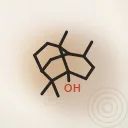 Patchoulol
Natural isolate · Woody / Amber — woody, earthy, dry, camphoraceous
Patchouli Oil is also suggested as a partner on the pages for 1-Octen-3-one, 4-tert-Butylcyclohexanol, Clearwood, Linalool Oxide, Mahagonate and Terrasol.
Used in formulas and accords
Used in 44 published formulas
Patchouli Oil is an ingredient in 37 perfume formulas, 6 accords and 1 base in the Formula & Accord Library.
Community formulas
RUŌOD House Originals
Original compositions by RUŌOD House.
Further reading
Questions about Patchouli Oil
Is Patchouli Oil natural or synthetic?
Patchouli Oil is natural. It is a volatile oil obtained from plant material by steam distillation or, for citrus peels, by cold expression.
What is the CAS number of Patchouli Oil?
8014-09-3, the registry number for the essential oil as a substance rather than a single molecule. It was checked against PubChem on 19 October 2026.
Which published formulas use Patchouli Oil?
Patchouli Oil is used in 44 published formulas in the RUŌOD Lab Formula & Accord Library, including 1882 Naturals, Agar Lantern and Amber Accord. Each is listed with a link under "Used in formulas and accords" on this page.
Sources
- PubChem — substance 135316842, checked 19 October 2026.
- ChemicalBook — patchouli oil (CAS 8014-09-3) — odour database.
- US8182781 — alpha-silyl alcohols reminiscent of patchouli oil (patent) — published literature.
- Premiere Peau — Patchouli — published perfumery reference.
- Olfactory profile: the RUŌOD Lab team's synthesis of the published descriptions above, reviewed 25 October 2026. Evidence: several independent published descriptions, which agree. Classification and the short description: revision 1. Descriptions of odour are judgement, not measurement.