


In short
Lemon oil is the cold-pressed peel oil of the lemon, a sharp, bright citrus used for the opening of colognes and fresh fragrances. It is mostly limonene, with the citral content that gives it its recognisable bite.
What Lemon Oil (Cold-Pressed) smells like
Cold-pressed lemon oil smells sharp, zesty and clean — the freshly peeled fruit. Descriptions list fresh citrus, lemon peel, aldehydic, terpenic, tart and aromatic, with a waxy richness and a slight bitterness. It is mostly limonene, but citral, present at only a few per cent, carries the specifically lemon character; without it the oil would smell generically citrus. Distilled lemon oil is softer, sweeter and less zesty, and cold-pressed is preferred in fine fragrance.
- Leading note
- Fresh lemon peel
- Clear facets
- Tart
- Supporting facets
- Waxy, aldehydic
- Faint facets
- Slightly bitter
- Character
- Sharp, zesty, clean, fleeting
What makes Lemon Oil (Cold-Pressed) distinctive
It is the real fruit's peel — more angular and acidic than bergamot or orange, and rounder and more complex than citral alone.
How Lemon Oil (Cold-Pressed) is used
The defining citrus top note of colognes and fresh fragrances, and a key flavour oil. Expressed oils carry phototoxic furocoumarins, which matters for products left on the skin.
Typical role: lift (adds diffusion and radiance, especially at the top).
How Lemon Oil (Cold-Pressed) differs from similar materials
- Citral
- Citral is the concentrated, linear lemon idea; lemon oil is rounder and more complex, with waxy and bitter peel notes.
- Lime Oil (Expressed)
- Expressed lime oil is greener and more bitter, with a sharp, metallic zest; lemon oil is brighter and more tart.
- Bergamot Oil (Expressed)
- Bergamot is softer and more floral, with a tea-like, lavender-like freshness; lemon is sharper and more acidic.
- Sweet Orange Oil
- Sweet orange is rounder, sweeter and juicier; lemon is sharp and tart.
Each difference compares the published descriptions of the two materials. Smell varies with grade, supplier and dilution; compare them side by side on blotters before substituting one for another.
Formulation considerations
Cold-pressed lemon oil is phototoxic because of its furocoumarins and is restricted for skin products; distilled lemon oil is the usual non-phototoxic alternative. It oxidises quickly, so check older stock before using it in a trial.
Identity and classification
- Type
- Essential oil
- Origin
- Natural
- Odour family
- Citrus / Aldehydic
- Note position
- Top note
- Physical form at room temperature
- Liquid
- Also known as
- Lemon essential oil
- Botanical source
- Citrus limon (L.) Osbeck
- CAS number
- 8008-56-8
The CAS number was checked on 19 October 2026 against a PubChem substance record that gives it for this material. A natural material is a mixture, so it has no single formula; its composition varies with origin and processing.
Safety and compliance
The IFRA Standards Library lists a Standard covering Lemon Oil (Cold-Pressed):
- "Lemon oil cold pressed" — Restriction, 49th Amendment, published 2020-01
Limits differ by product category and are set out in the Standard itself; this page does not reproduce them. The list above reflects the library as read on 19 October 2026.
This page is general information, not a safety assessment or a specification. Confirm identity, composition, IFRA status and allergen content from your supplier's documents for the lot you hold.
Materials it works with
-

 Bergamot Oil (Expressed)
Essential oil · Citrus / Aromatic — citrus, zesty, floral, tea-like
-

 Sweet Orange Oil
Essential oil · Citrus / Fruity — citrus, sweet, juicy, orange peel
-

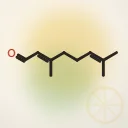 Citral
Aroma chemical · Citrus / Green — lemon, sharp, fresh, green
-

 Petitgrain Bigarade Oil
Essential oil · Citrus / Floral — green, citrus, floral, bitter
-

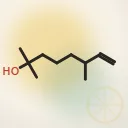 Dihydromyrcenol
Aroma chemical · Citrus / Aromatic — citrus, lime, fresh, clean
Lemon Oil (Cold-Pressed) is also suggested as a partner on the pages for Aldehyde C-7 (Heptanal), Elemi Resinoid, Lemon Myrtle CO2 Extract, Lime Oil (Distilled), Limonene (isomer not specified) and Melissa Oil.
Used in formulas and accords
Used in 43 published formulas
Lemon Oil (Cold-Pressed) is an ingredient in 36 perfume formulas, 4 accords and 3 bases in the Formula & Accord Library.
Community formulas
RUŌOD House Originals
Original compositions by RUŌOD House.
Further reading
Questions about Lemon Oil (Cold-Pressed)
Is Lemon Oil (Cold-Pressed) natural or synthetic?
Lemon Oil (Cold-Pressed) is natural. It is a volatile oil obtained from plant material by steam distillation or, for citrus peels, by cold expression.
What is the CAS number of Lemon Oil (Cold-Pressed)?
8008-56-8, the registry number for the essential oil as a substance rather than a single molecule. It was checked against PubChem on 19 October 2026.
Which published formulas use Lemon Oil (Cold-Pressed)?
Lemon Oil (Cold-Pressed) is used in 43 published formulas in the RUŌOD Lab Formula & Accord Library, including 1882 Naturals, Anise Ink and Bitter Bridle. Each is listed with a link under "Used in formulas and accords" on this page.
Is Lemon Oil (Cold-Pressed) covered by an IFRA Standard?
Yes. The IFRA Standards Library lists a Standard covering it: "Lemon oil cold pressed" — Restriction, 49th Amendment. The limits depend on the product category; read the Standard itself before formulating.
Sources
- PubChem — substance 47206521, checked 19 October 2026.
- IFRA — Standards Library, read 19 October 2026.
- AromaWeb — Lemon-scented essential oil differences — published perfumery reference.
- Premiere Peau — Lemon — published perfumery reference.
- The Good Scents Company — lemon oil — odour database.
- Olfactory profile: the RUŌOD Lab team's synthesis of the published descriptions above, reviewed 20 October 2026. Evidence: several independent published descriptions, which agree. Classification and the short description: revision 1. Descriptions of odour are judgement, not measurement.