


In short
Melissa oil is distilled from lemon balm, Melissa officinalis. The yield is very low, so genuine oil is expensive; it has a fresh, lemony herbal odour.
What Melissa Oil smells like
Genuine melissa (lemon balm) oil has an aromatic lemon odour, fresh, green and slightly herbaceous, with citral as the main contributor to its lemon character. Descriptions add a softer quality than sharp citrus, with mint-like facets and a honeyed warmth as it dries down. It is very expensive and frequently adulterated, and its odour is often imitated with cheaper lemon, lemongrass and citronella oils.
- Leading note
- Soft herbal lemon
- Clear facets
- Green
- Supporting facets
- Mint-like
- Faint facets
- Honeyed, rosy
- Character
- Soft, fresh, herbal, delicate
What makes Melissa Oil distinctive
Lemon as a herb rather than a fruit: softer than citrus peel, greener and more delicate than lemongrass, with a mint-like and honeyed nuance.
How Melissa Oil is used
Used sparingly as a citrus-herbal top note in fine fragrance because of its cost; reconstructions are common.
Typical role: modifier (used in small amounts to change the character of a blend).
How Melissa Oil differs from similar materials
- Lemongrass Oil
- Lemongrass oil is used to imitate melissa; it is stronger, grassier and drier, melissa softer, more delicate and herbal. (compared directly by a cited source)
- Citronella Oil (Java)
- Citronella oil is used to imitate melissa; it is sharper and rosier, melissa softer and greener. (compared directly by a cited source)
An asterisk marks a difference that a cited source states directly. The others compare the published descriptions of each material. Smell varies with grade, supplier and dilution; compare them side by side on blotters before substituting one for another.
Formulation considerations
Genuine Melissa officinalis oil is covered by its own IFRA Standard. Cheap "melissa" is often a blend of lemongrass or citronella fractions.
Identity and classification
- Type
- Essential oil
- Origin
- Natural
- Odour family
- Citrus / Aromatic
- Note position
- Top note
- Physical form at room temperature
- Liquid
- Also known as
- Lemon balm oil
- Botanical source
- Melissa officinalis
- CAS number
- 8014-71-9
The CAS number was checked on 19 October 2026 against a PubChem substance record that gives it for this material. A natural material is a mixture, so it has no single formula; its composition varies with origin and processing.
Safety and compliance
The IFRA Standards Library lists a Standard covering Melissa Oil:
- "Melissa oil (genuine Melissa officinalis L.)" — Restriction, 49th Amendment, published 2020-01
Limits differ by product category and are set out in the Standard itself; this page does not reproduce them. The list above reflects the library as read on 19 October 2026.
This page is general information, not a safety assessment or a specification. Confirm identity, composition, IFRA status and allergen content from your supplier's documents for the lot you hold.
Materials it works with
-
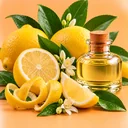
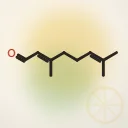 Citral
Aroma chemical · Citrus / Green — lemon, sharp, fresh, green
-
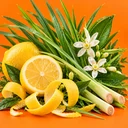
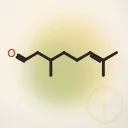 Citronellal
Aroma chemical · Citrus / Green — lemony, citronella, green, fresh
-

 Lemon Oil (Cold-Pressed)
Essential oil · Citrus / Aldehydic — citrus, sharp, zesty, juicy
-

 Litsea Cubeba Oil
Essential oil · Citrus / Fruity — lemon, sweet, fruity, fresh
Used in formulas and accords
Not currently used in any published formula.
The Formula & Accord Library lists Melissa Oil here as soon as a published formula, accord or base uses it.
Further reading
Questions about Melissa Oil
Is Melissa Oil natural or synthetic?
Melissa Oil is natural. It is a volatile oil obtained from plant material by steam distillation or, for citrus peels, by cold expression.
What is the CAS number of Melissa Oil?
8014-71-9, the registry number for the essential oil as a substance rather than a single molecule. It was checked against PubChem on 19 October 2026.
Is Melissa Oil covered by an IFRA Standard?
Yes. The IFRA Standards Library lists a Standard covering it: "Melissa oil (genuine Melissa officinalis L.)" — Restriction, 49th Amendment. The limits depend on the product category; read the Standard itself before formulating.
Sources
- PubChem — substance 135304641, checked 19 October 2026.
- IFRA — Standards Library, read 19 October 2026.
- FAO — Melissa officinalis (essential oil monograph) — published perfumery reference.
- AromaWeb — Melissa essential oil — published perfumery reference.
- The Good Scents Company — melissa oil — odour database.
- Olfactory profile: the RUŌOD Lab team's synthesis of the published descriptions above, reviewed 20 October 2026. Evidence: more than one published description. Classification and the short description: revision 1. Descriptions of odour are judgement, not measurement.