
In short
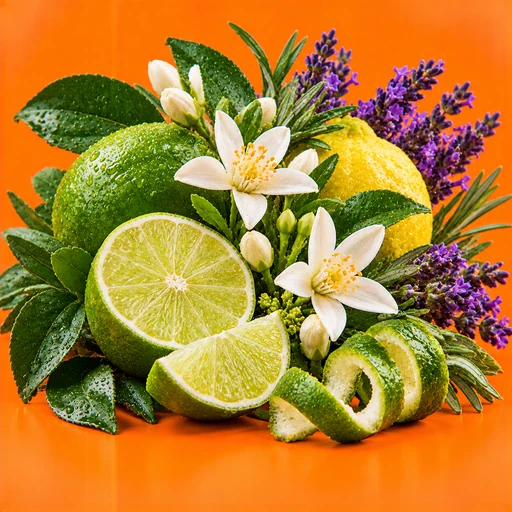
Dihydromyrcenol is a synthetic terpenic alcohol with a fresh, clean citrus-lime and lavender-like smell. It became the signature of many fresh masculine fragrances and is very stable in functional bases.
What Dihydromyrcenol smells like
Dihydromyrcenol is the fresh, clean lime note of modern fragrance. Suppliers describe a fresh, lime-like, citrusy-floral and sweet odour with little or no terpenic undertone, and note its use to imitate bergamot oil; Wikipedia collects descriptions from fresh, cool, metallic lime, citrus, floral and bergamot to fresh citrus with a lavender note. One distributor adds a soapy, household, glass-cleaner association and calls it weak on its own; a glossary hears a cold, mineral, metallic quality.
- Leading note
- Fresh lime
- Supporting facets
- Metallic, lavender-like floral, bergamot
- Faint facets
- Soapy
- Character
- Clean, fresh, cool, airy
What makes Dihydromyrcenol distinctive
Clean, cold lime. It is citrus without the terpenes — fresh, metallic and slightly soapy — which is why it reads as 'clean' and has defined a whole generation of fresh masculine and functional fragrances.
How Dihydromyrcenol is used
Used in large amounts in fresh fragrances, especially masculine colognes, and very widely in soaps, detergents and household products; also to imitate bergamot.
Typical role: lift (adds diffusion and radiance, especially at the top); backbone (used in large proportions as a structural material of an accord).
How Dihydromyrcenol differs from similar materials
- Myrcenol
- Myrcenol is softer, more floral and lavender-like, with a slight lime; dihydromyrcenol is the cleaner, more metallic lime.
- Lime Oil (Expressed)
- Expressed lime oil is the natural green zest, bitter and complex; dihydromyrcenol is a clean, metallic, soapy abstraction of lime.
Each difference compares the published descriptions of the two materials. Smell varies with grade, supplier and dilution; compare them side by side on blotters before substituting one for another.
Formulation considerations
Strong and diffusive; overdosed, it reads as functional rather than fine. It is a liquid that blends easily.
Identity and classification
- Type
- Aroma chemical
- Origin
- Synthetic
- Odour family
- Citrus / Aromatic
- Note position
- Top note
- Physical form at room temperature
- Liquid
- Also known as
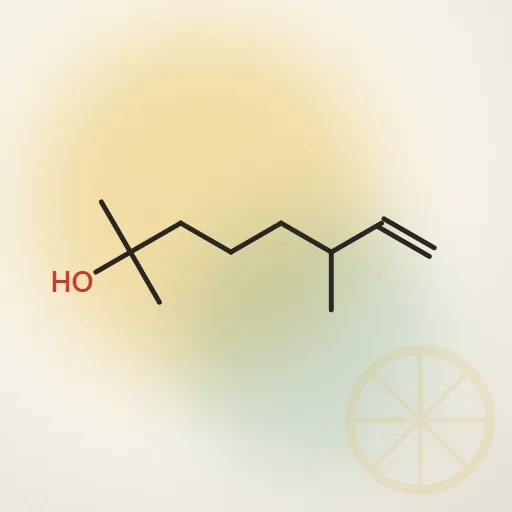
- 2,6-Dimethyl-7-octen-2-ol
- CAS number
- 18479-58-8
- Molecular formula
- C10H20O
- Molecular weight
- 156.26 g/mol
- IUPAC name
- 2,6-dimethyloct-7-en-2-ol
The CAS number, formula and molecular weight are taken from PubChem compound 29096, whose own record lists this CAS number; checked 19 October 2026.
Safety and compliance
Hazard classification of the neat substance, as PubChem summarises it, read 26 October 2026. Companies notifying the ECHA C&L Inventory classify it (2,466 reports): H319 causes serious eye irritation (94.6% of reports); H315 causes skin irritation (74.6% of reports). 113 of the reports find it does not meet the hazard criteria. Unless it is harmonised, this is the notifiers' own classification, not a binding one.
This page is general information, not a safety assessment or a specification. Confirm identity, composition, IFRA status and allergen content from your supplier's documents for the lot you hold.
Materials it works with
-

 Linalool
Aroma chemical · Floral / Citrus — floral, fresh, woody, citrus
-

 Lavender Oil
Essential oil · Aromatic / Floral — lavender, herbal, floral, fresh
-

 Hedione
Aroma chemical · Floral / Citrus — jasmine, transparent, citrus, airy
-

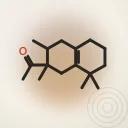 Iso E Super
Aroma chemical · Woody / Amber — woody, velvety, amber, cedar
-
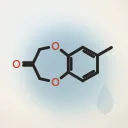 Calone
Aroma chemical · Aquatic / Metallic — marine, watermelon, ozonic, watery
Dihydromyrcenol is also suggested as a partner on the pages for Azuril, Myrcenol, Precyclemone B, Spirambrene, Tetrahydrolinalool and Undecavertol.
Used in formulas and accords
Used in 31 published formulas
Dihydromyrcenol is an ingredient in 23 perfume formulas, 7 accords and 1 base in the Formula & Accord Library.
Community formulas
RUŌOD House Originals
Original compositions by RUŌOD House.
Further reading
Questions about Dihydromyrcenol
Is Dihydromyrcenol natural or synthetic?
Dihydromyrcenol is synthetic — it is made by chemical synthesis.
What is the CAS number of Dihydromyrcenol?
18479-58-8. It was checked against PubChem on 19 October 2026.
Which published formulas use Dihydromyrcenol?
Dihydromyrcenol is used in 31 published formulas in the RUŌOD Lab Formula & Accord Library, including Asphalt Peony, Bitter Ferry and Black Pepper Sail. Each is listed with a link under "Used in formulas and accords" on this page.
Sources
- PubChem — compound 29096, checked 19 October 2026.
- PubChem — GHS classification (the ECHA C&L Inventory notifications and any harmonised EU entry), read 26 October 2026.
- Wikipedia — Dihydromyrcenol — published perfumery reference.
- Scentspiracy — Dihydromyrcenol — distributor's description.
- Parchem — dihydromyrcenol specification — distributor's description.
- Premiere Peau — Dihydromyrcenol — published perfumery reference.
- Olfactory profile: the RUŌOD Lab team's synthesis of the published descriptions above, reviewed 20 October 2026. Evidence: several independent published descriptions, which agree. Classification and the short description: revision 1. Descriptions of odour are judgement, not measurement.