
In short
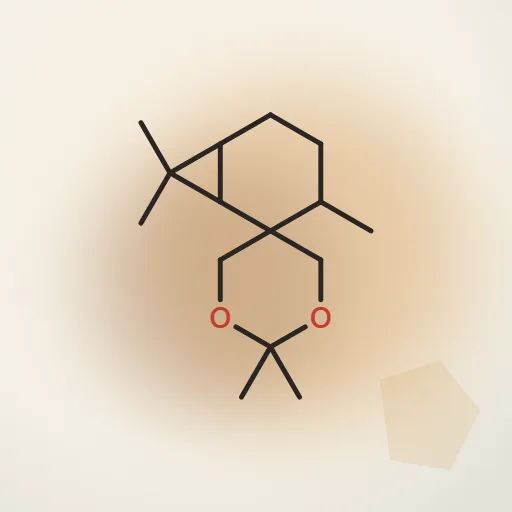
Spirambrene is a trade name for a spiro-ketal woody-amber material. It gives a fresh, transparent amber note with good diffusion.
What Spirambrene smells like
Spirambrene (Givaudan) is woody, ambery, spicy, aldehydic and powerful, in The Good Scents Company's listing, blending well with sparkling, green, spicy and aldehydic top notes. A forum perfumer describes a dry woody amber with an aldehydic, slightly velvety quality and an ozonic note; another finds it more aldehydic and spicy-salty-marine than Belambre.
- Leading note
- Fresh woody amber
- Supporting facets
- Aldehydic, spicy
- Faint facets
- Ozonic, salty
- Character
- Fresh, transparent, powerful
What makes Spirambrene distinctive
An amber with sparkle: aldehydic and ozonic where most woody ambers are dry and dense.
How Spirambrene is used
Used to give a fresh, transparent amber to compositions with sparkling, green, spicy and aldehydic top notes.
Typical role: blender (smooths the joins between other materials); fixative (slow to evaporate; helps a blend last and holds lighter notes).
How Spirambrene differs from similar materials
- Ambroxan
- Ambroxan is the warm, clean ambergris; Spirambrene is fresher, aldehydic and ozonic.
Each difference compares the published descriptions of the two materials. Smell varies with grade, supplier and dilution; compare them side by side on blotters before substituting one for another.
Identity and classification
- Type
- Aroma chemical
- Origin
- Synthetic
- Odour family
- Amber / Woody
- Note position
- Base note
- Physical form at room temperature
- Liquid
- CAS number
- 121251-67-0
- Molecular formula
- C15H26O2
- Molecular weight
- 238.37 g/mol
- IUPAC name
- (1'R,3'S,6'S)-2,2,3',7',7'-pentamethylspiro[1,3-dioxane-5,2'-bicyclo[4.1.0]heptane]
The CAS number, formula and molecular weight are taken from PubChem compound 44152459, whose own record lists this CAS number; checked 19 October 2026.
Safety and compliance
Hazard classification of the neat substance, as PubChem summarises it, read 26 October 2026. Companies notifying the ECHA C&L Inventory classify it (1,336 reports): H411 toxic to aquatic life with long lasting effects (100% of reports); H319 causes serious eye irritation (96.3% of reports). Unless it is harmonised, this is the notifiers' own classification, not a binding one.
This page is general information, not a safety assessment or a specification. Confirm identity, composition, IFRA status and allergen content from your supplier's documents for the lot you hold.
Materials it works with
-
 Ambroxan
Aroma chemical · Amber / Woody — amber, ambergris, woody, mineral
-

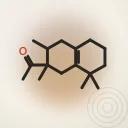 Iso E Super
Aroma chemical · Woody / Amber — woody, velvety, amber, cedar
-
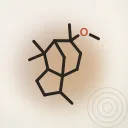 Cedramber
Aroma chemical · Woody / Amber — woody, amber, dry, cedar
-

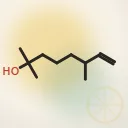 Dihydromyrcenol
Aroma chemical · Citrus / Aromatic — citrus, lime, fresh, clean
Used in formulas and accords
Used in 24 published formulas
Spirambrene is an ingredient in 22 perfume formulas and 2 accords in the Formula & Accord Library.
RUŌOD House Originals
Original compositions by RUŌOD House.
Further reading
Questions about Spirambrene
Is Spirambrene natural or synthetic?
Spirambrene is synthetic — it is made by chemical synthesis.
What is the CAS number of Spirambrene?
121251-67-0. It was checked against PubChem on 19 October 2026.
Which published formulas use Spirambrene?
Spirambrene is used in 24 published formulas in the RUŌOD Lab Formula & Accord Library, including Asphalt Peony, Bleached Driftwood and Champagne Static. Each is listed with a link under "Used in formulas and accords" on this page.
Sources
- PubChem — compound 44152459, checked 19 October 2026.
- PubChem — GHS classification (the ECHA C&L Inventory notifications and any harmonised EU entry), read 26 October 2026.
- The Good Scents Company — Spirambrene — odour database.
- Basenotes — Spirambrene (forum) — published perfumery reference.
- Olfactory profile: the RUŌOD Lab team's synthesis of the published descriptions above, reviewed 21 October 2026. Evidence: more than one published description. Classification and the short description: revision 1. Descriptions of odour are judgement, not measurement.