
In short
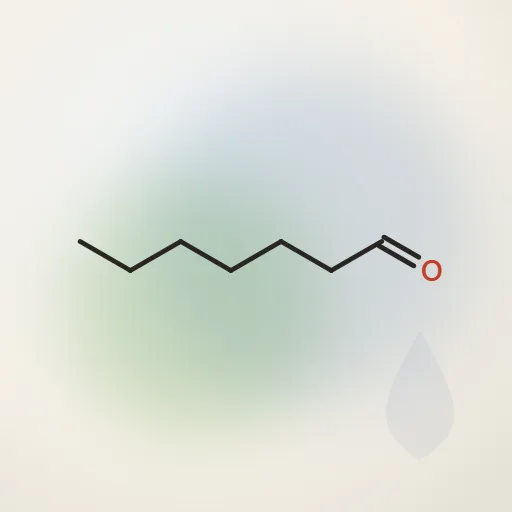
Heptanal, aldehyde C-7, is a straight-chain aliphatic aldehyde with a sharp, fatty-green odour. It is the shortest of the fatty aldehydes in common perfumery use and is handled in traces, usually from a dilution.
What Aldehyde C-7 (Heptanal) smells like
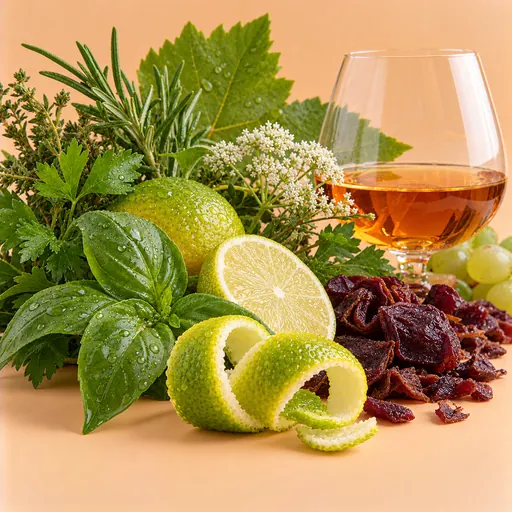
Heptanal (aldehyde C-7) is a sharp, fatty-green aldehyde with herbal and fresh notes. The Good Scents Company, evaluating it at 1%, lists fresh, aldehydic, fatty, green, herbal, cognac and ozone, and recommends smelling it at that dilution or less because of its strength; Parchem gives the same set with a wine-lees note in place of cognac. Bedoukian describes it as fresh, green and citrus, while another reference calls it pervasively fruity to oily-greasy. Its odour threshold is extremely low.
- Leading note
- Fatty green
- Clear facets
- Herbal
- Supporting facets
- Fresh aldehydic
- Faint facets
- Cognac, wine lees, citrus
- Character
- Sharp, oily, green, diffusive
What makes Aldehyde C-7 (Heptanal) distinctive
The green one. The longer aldehydes lean towards orange peel, rose or soap; heptanal is the shortest in the series here, and its fattiness is green and herbal, with a boozy, wine-lees nuance, rather than citrus.
Concentration and dilution
Harsh and oily-fatty in concentration; sources evaluate it at 1% or below, where it reads fresh, green and herbal.
Where the descriptions disagree: Some sources stress green and herbal, Bedoukian green and citrus, another fruity to oily-greasy; the balance probably depends on dilution.
How Aldehyde C-7 (Heptanal) is used
Used in traces for a fresh, green-aldehydic lift in fine fragrance, deodorants, soaps and candles.
Typical role: modifier (used in small amounts to change the character of a blend).
How Aldehyde C-7 (Heptanal) differs from similar materials
- Aldehyde C-8 (Octanal)
- Octanal is the fatty orange aldehyde, turning citrus-peel in dilution; heptanal is greener and more herbal, with a boozy nuance instead of citrus.
Each difference compares the published descriptions of the two materials. Smell varies with grade, supplier and dilution; compare them side by side on blotters before substituting one for another.
Formulation considerations
Like other aliphatic aldehydes it oxidises in air towards the acid, so store it cold, full and tightly closed, and work from a 1% or 10% dilution.
Identity and classification
- Type
- Aroma chemical
- Origin
- Occurs in nature
- Odour family
- Aldehydic / Green
- Note position
- Top note
- Physical form at room temperature
- Liquid
- Also known as
- Heptanal, Heptaldehyde, Aldehyde C-7
- CAS number
- 111-71-7
- Molecular formula
- C7H14O
- Molecular weight
- 114.19 g/mol
- IUPAC name
- heptanal
The CAS number, formula and molecular weight are taken from PubChem compound 8130, whose own record lists this CAS number; checked 19 October 2026.
Safety and compliance
Hazard classification of the neat substance, as PubChem summarises it, read 26 October 2026. Companies notifying the ECHA C&L Inventory classify it (1,692 reports): H226 flammable liquid and vapor (100% of reports); H315 causes skin irritation (99.8% of reports); H319 causes serious eye irritation (91.8% of reports). Unless it is harmonised, this is the notifiers' own classification, not a binding one.
This page is general information, not a safety assessment or a specification. Confirm identity, composition, IFRA status and allergen content from your supplier's documents for the lot you hold.
Materials it works with
-

 Aldehyde C-8 (Octanal)
Aroma chemical · Aldehydic / Citrus — aldehydic, fatty, citrus, orange
-

 Aldehyde C-9 (Nonanal)
Aroma chemical · Aldehydic / Floral — aldehydic, waxy, rosy, citrus
-

 Lemon Oil (Cold-Pressed)
Essential oil · Citrus / Aldehydic — citrus, sharp, zesty, juicy
-
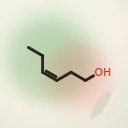 cis-3-Hexenol
Aroma chemical · Green / Fruity — green, cut grass, leafy, fresh
Used in formulas and accords
Not currently used in any published formula.
The Formula & Accord Library lists Aldehyde C-7 (Heptanal) here as soon as a published formula, accord or base uses it.
Further reading
Questions about Aldehyde C-7 (Heptanal)
Is Aldehyde C-7 (Heptanal) natural or synthetic?
The molecule occurs in nature. Commercial Aldehyde C-7 (Heptanal) may be made by synthesis or obtained from natural sources, so check the supplier's specification if the distinction matters to you.
What is the CAS number of Aldehyde C-7 (Heptanal)?
111-71-7. It was checked against PubChem on 19 October 2026.
Sources
- PubChem — compound 8130, checked 19 October 2026.
- PubChem — GHS classification (the ECHA C&L Inventory notifications and any harmonised EU entry), read 26 October 2026.
- The Good Scents Company — heptanal — odour database.
- Parchem — heptanal — distributor's description.
- ChemicalBook — heptanal (CAS 111-71-7) — odour database.
- Human Metabolome Database — heptanal — odour database.
- Olfactory profile: the RUŌOD Lab team's synthesis of the published descriptions above, reviewed 20 October 2026. Evidence: more than one published description. Classification and the short description: revision 1. Descriptions of odour are judgement, not measurement.