
In short
Rose absolute is solvent-extracted from rose flowers, here Rosa × centifolia (rose de mai). Compared with distilled rose oil it keeps more of the flower's heavy, honeyed phenylethyl alcohol.
What Rose Absolute (Rosa centifolia) smells like
Rose absolute, the solvent-extracted product of the rose, is heavier, richer and more intense than rose otto, the steam-distilled oil. Because extraction keeps the phenylethyl alcohol fraction that distillation washes into the water, it is described as fuller and more petal-like — many authorities consider it the truer smell of the flower, though not all agree. Compared with otto it is sweeter and deeper, with honeyed, jammy and waxy facets.
- Leading note
- Rich rose petal
- Clear facets
- Honey
- Supporting facets
- Jammy, waxy
- Faint facets
- Spicy
- Character
- Rich, heavy, sweet, deep
What makes Rose Absolute (Rosa centifolia) distinctive
Fullness. It is the whole petal — honeyed and dense — where rose otto is the fresher, lighter, more delicate face of the same flower.
Where the descriptions disagree: Whether absolute or otto is the truer smell of the flower is disputed.
How Rose Absolute (Rosa centifolia) is used
Used for rich, natural rose effects in fine fragrance, especially in oriental, chypre and floral compositions; it is cheaper than rose otto, unusually for an absolute.
Typical role: backbone (used in large proportions as a structural material of an accord).
How Rose Absolute (Rosa centifolia) differs from similar materials
- Rose Oil (Rosa damascena)
- Rose otto is the fresher, lighter, more delicate distillate; the absolute is heavier, richer and more honeyed. (compared directly by a cited source)
- Phenylethyl Alcohol
- A glossary credits the absolute's fuller, petal-like character to the phenylethyl alcohol it retains; the alcohol alone is milder and simpler. (compared directly by a cited source)
- Rose Absolute (Rosa damascena)
- The damascena absolute, mostly Bulgarian, is described as deeper and spicier than this centifolia one.
An asterisk marks a difference that a cited source states directly. The others compare the published descriptions of each material. Smell varies with grade, supplier and dilution; compare them side by side on blotters before substituting one for another.
Formulation considerations
Composition and colour vary by origin; obtain the supplier's allergen statement, since it contains declarable constituents such as citronellol, geraniol and eugenol.
Identity and classification
- Type
- Absolute
- Origin
- Natural
- Odour family
- Floral / Fruity
- Note position
- Heart note
- Physical form at room temperature
- Liquid
- Also known as
- Rose de mai absolute
- Botanical source
- Rosa × centifolia L.
- CAS number
- 84604-12-6
The CAS number was checked on 19 October 2026 against a PubChem substance record that gives it for this material. A natural material is a mixture, so it has no single formula; its composition varies with origin and processing.
Safety and compliance
This page is general information, not a safety assessment or a specification. Confirm identity, composition, IFRA status and allergen content from your supplier's documents for the lot you hold.
Materials it works with
-

 Rose Oil (Rosa damascena)
Essential oil · Floral / Fruity — rose, honeyed, spicy, fresh
-

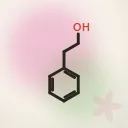 Phenylethyl Alcohol
Aroma chemical · Floral / Green — rose, honeyed, soft, floral
-

 Patchouli Oil
Essential oil · Woody / Chypre — earthy, woody, camphoraceous, dark
-
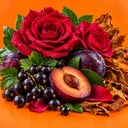
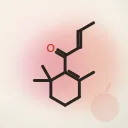 beta-Damascone
Aroma chemical · Fruity / Floral — fruity, rose, plum, blackcurrant
-
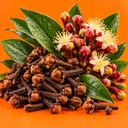
 Clove Bud Oil
Essential oil · Spicy / Floral — clove, spicy, warm, sweet
Rose Absolute (Rosa centifolia) is also suggested as a partner on the pages for Framboise, Geranium Absolute and Rose Absolute (Rosa damascena).
Used in formulas and accords
Used in 15 published formulas
Rose Absolute (Rosa centifolia) is an ingredient in 13 perfume formulas, 1 accord and 1 base in the Formula & Accord Library.
Community formulas
RUŌOD House Originals
Original compositions by RUŌOD House.
Further reading
Questions about Rose Absolute (Rosa centifolia)
Is Rose Absolute (Rosa centifolia) natural or synthetic?
Rose Absolute (Rosa centifolia) is natural. It is a concentrated extract obtained from plant material with a solvent, then washed with ethanol to remove the waxes.
What is the CAS number of Rose Absolute (Rosa centifolia)?
84604-12-6, the registry number for the absolute as a substance rather than a single molecule. It was checked against PubChem on 19 October 2026.
Which published formulas use Rose Absolute (Rosa centifolia)?
Rose Absolute (Rosa centifolia) is used in 15 published formulas in the RUŌOD Lab Formula & Accord Library, including Beeswax Throne, Carnation Accord and Cherry Lacquer. Each is listed with a link under "Used in formulas and accords" on this page.
Sources
- PubChem — substance 135321236, checked 19 October 2026.
- Premiere Peau — Rose — published perfumery reference.
- Amrita — Rose Absolute — distributor's description.
- Basenotes — rose essential oil discussion (forum) — published perfumery reference.
- Olfactory profile: the RUŌOD Lab team's synthesis of the published descriptions above, reviewed 24 October 2026. Evidence: more than one published description. Classification and the short description: revision 1. Descriptions of odour are judgement, not measurement.