
In short
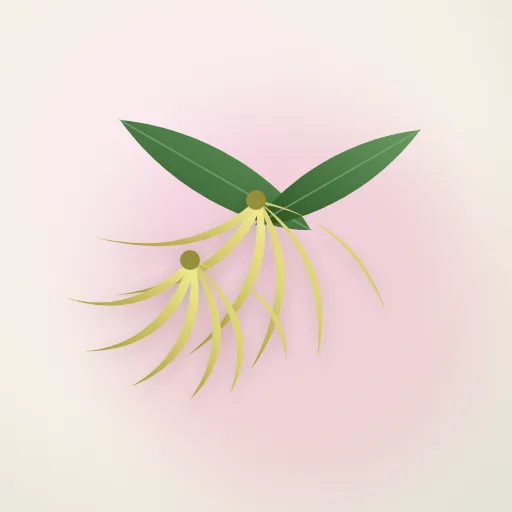
Ylang ylang oil is steam-distilled from the flowers of Cananga odorata, mainly in the Comoros, Madagascar and Mayotte. Distillation is fractionated into grades — extra, first, second, third and complete.
What Ylang Ylang Oil smells like
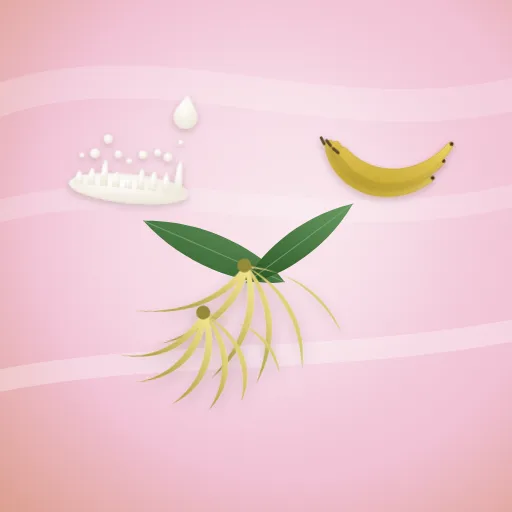
Ylang-ylang oil is a sweet, creamy, exotic floral with banana-like, custard-like and spicy-clove facets. It is distilled in fractions: ylang extra, the first and most volatile, is the sweetest, most floral and transparent — jasmine-custard, creamy and banana-like — while ylang III, collected last, is richer, less sweet and heavier, with balsamic, woody and earthy notes. Its character comes from linalool and benzyl acetate, p-cresyl methyl ether, methyl benzoate and eugenol, among others.
- Leading note
- Sweet creamy floral
- Clear facets
- Banana
- Supporting facets
- Spicy clove
- Faint facets
- Medicinal, balsamic, woody (III)
- Character
- Sweet, creamy, rich, exotic
What makes Ylang Ylang Oil distinctive
Creamy and spicy at once: a white floral with banana-custard sweetness and a clove-like warmth that jasmine and tuberose do not share.
How Ylang Ylang Oil is used
Used in floral and oriental fine fragrance and widely in soaps and cosmetics; grade III is the economical choice for functional products, extra for fine fragrance.
Typical role: backbone (used in large proportions as a structural material of an accord).
How Ylang Ylang Oil differs from similar materials
- Methyl Benzoate
- Methyl benzoate is one of ylang's constituents — its medicinal-sweet sharpness alone; the oil adds creaminess, banana and clove. (compared directly by a cited source)
- p-Cresyl Methyl Ether
- p-Cresyl methyl ether is a key constituent of ylang extra — the pungent, phenolic ylang note on its own. (compared directly by a cited source)
- Ylang Ylang Absolute
- A perfumer compares the two: the absolute is deeper, warmer and closer to the fresh flower; the oil is sharper, with sweet exotic-fruit notes. (compared directly by a cited source)
An asterisk marks a difference that a cited source states directly. The others compare the published descriptions of each material. Smell varies with grade, supplier and dilution; compare them side by side on blotters before substituting one for another.
Formulation considerations
Contains benzyl benzoate, benzyl salicylate, linalool, isoeugenol and other declarable constituents; IFRA publishes a Standard for ylang ylang extracts. The grades differ markedly, so specify the grade on the record.
Identity and classification
- Type
- Essential oil
- Origin
- Natural
- Odour family
- Floral / Spicy
- Note position
- Heart note
- Physical form at room temperature
- Liquid
- Also known as
- Ylang-ylang essential oil
- Botanical source
- Cananga odorata (Lam.) Hook.f. & Thomson
- CAS number
- 8006-81-3
The CAS number was checked on 19 October 2026 against a PubChem substance record that gives it for this material. A natural material is a mixture, so it has no single formula; its composition varies with origin and processing.
Safety and compliance
The IFRA Standards Library lists a Standard covering Ylang Ylang Oil:
- "Ylang ylang extracts" — Restriction, 49th Amendment, published 2020-01
Limits differ by product category and are set out in the Standard itself; this page does not reproduce them. The list above reflects the library as read on 19 October 2026.
This page is general information, not a safety assessment or a specification. Confirm identity, composition, IFRA status and allergen content from your supplier's documents for the lot you hold.
Materials it works with
-
 Jasmine Absolute (Grandiflorum)
Absolute · Floral / Animalic — jasmine, floral, indolic, fruity
-
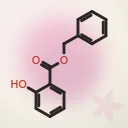 Benzyl Salicylate
Aroma chemical · Floral / Powdery — balsamic, floral, faint, sweet
-

 Vanilla Absolute
Absolute · Gourmand / Amber — vanilla, sweet, woody, smoky
-

 Tuberose Absolute
Absolute · Floral / Gourmand — white floral, creamy, narcotic, buttery
Ylang Ylang Oil is also suggested as a partner on the pages for Carnation Absolute, Champaca Absolute, Ethyl Benzoate, Ethyl Salicylate, Magnolia Flower Oil and p-Cresyl Methyl Ether.
Used in formulas and accords
Used in 11 published formulas
Ylang Ylang Oil is an ingredient in 10 perfume formulas and 1 accord in the Formula & Accord Library.
RUŌOD House Originals
Original compositions by RUŌOD House.
Further reading
Questions about Ylang Ylang Oil
Is Ylang Ylang Oil natural or synthetic?
Ylang Ylang Oil is natural. It is a volatile oil obtained from plant material by steam distillation or, for citrus peels, by cold expression.
What is the CAS number of Ylang Ylang Oil?
8006-81-3, the registry number for the essential oil as a substance rather than a single molecule. It was checked against PubChem on 19 October 2026.
Which published formulas use Ylang Ylang Oil?
Ylang Ylang Oil is used in 11 published formulas in the RUŌOD Lab Formula & Accord Library, including Brine Blossom Accord, Frangipani Ledge and Gardenia Milk. Each is listed with a link under "Used in formulas and accords" on this page.
Is Ylang Ylang Oil covered by an IFRA Standard?
Yes. The IFRA Standards Library lists a Standard covering it: "Ylang ylang extracts" — Restriction, 49th Amendment. The limits depend on the product category; read the Standard itself before formulating.
Sources
- PubChem — substance 135323667, checked 19 October 2026.
- IFRA — Standards Library, read 19 October 2026.
- Premiere Peau — Ylang ylang extra — published perfumery reference.
- Amrita — Ylang ylang extra, III or complete — distributor's description.
- Eden Botanicals — Ylang Ylang III, organic — distributor's description.
- Olfactory profile: the RUŌOD Lab team's synthesis of the published descriptions above, reviewed 24 October 2026. Evidence: more than one published description. Classification and the short description: revision 1. Descriptions of odour are judgement, not measurement.