
In short
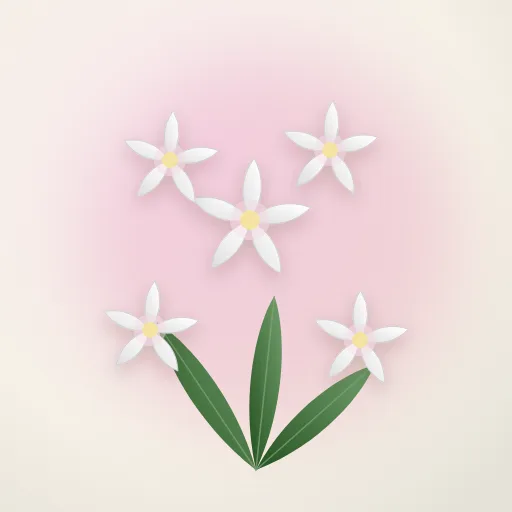
Jasmine absolute (Jasminum grandiflorum) is solvent-extracted from jasmine flowers, historically from Grasse and today largely from Egypt and India. It is one of the two classic pillars of floral perfumery, with rose.
What Jasmine Absolute (Grandiflorum) smells like
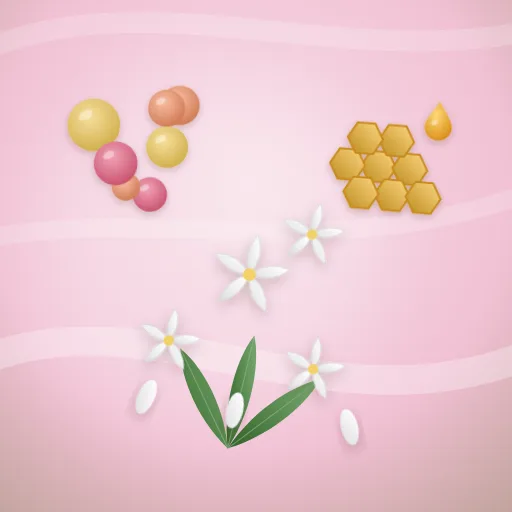
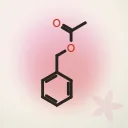
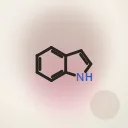
Jasmine grandiflorum absolute is rich, warm and heady: a white floral with a fruity, peach- and apricot-like note, honeyed and slightly animalic indolic facets, and a green, tea-like freshness from methyl jasmonate and cis-jasmone. It is the traditional perfumery jasmine, grown around Grasse and in Egypt and India; Grasse material reads more delicate and tea-like, Egyptian more robust. Benzyl acetate is its largest single component, and indole gives it its animalic warmth.
- Leading note
- Rich, heady jasmine
- Clear facets
- Fruity, apricot
- Supporting facets
- Indolic, animalic, honeyed, green tea
- Character
- Rich, heady, warm, creamy
What makes Jasmine Absolute (Grandiflorum) distinctive
It is the whole flower: the fruit of benzyl acetate, the green of cis-jasmone and the animal warmth of indole together — fruitier and creamier than sambac.
How Jasmine Absolute (Grandiflorum) is used
One of the great naturals of fine fragrance, at the heart of floral, chypre and oriental compositions.
Typical role: backbone (used in large proportions as a structural material of an accord).
How Jasmine Absolute (Grandiflorum) differs from similar materials
- Jasmine Sambac Absolute
- A fragrance writer describes sambac as greener and more animalic, grandiflorum as the richer, fruity, peach-like jasmine with a creamy finish. (compared directly by a cited source)
- Benzyl Acetate
- Benzyl acetate is the absolute's largest component — sweet, fruity and fleeting; the absolute adds indole, honey and green. (compared directly by a cited source)
- Hedione
- Hedione is the airy, transparent fraction; the absolute is lush, heady and indolic.
- cis-Jasmone
- cis-Jasmone supplies part of the absolute's green, tea-like freshness on its own; the absolute is far richer.
- Tuberose Absolute
- Tuberose is creamier and more narcotic, with coconut and a medicinal-green edge; jasmine is fruitier and more indolic.
An asterisk marks a difference that a cited source states directly. The others compare the published descriptions of each material. Smell varies with grade, supplier and dilution; compare them side by side on blotters before substituting one for another.
Formulation considerations
It naturally contains benzyl acetate, benzyl benzoate, linalool and other constituents; IFRA publishes a Standard for jasmine grandiflorum absolute.
Identity and classification
- Type
- Absolute
- Origin
- Natural
- Odour family
- Floral / Animalic
- Note position
- Heart note
- Physical form at room temperature
- Liquid
- Also known as
- Jasmine absolute
- Botanical source
- Jasminum grandiflorum L.
- CAS number
- 8022-96-6
The CAS number was checked on 19 October 2026 against a PubChem substance record that gives it for this material. A natural material is a mixture, so it has no single formula; its composition varies with origin and processing.
Safety and compliance
The IFRA Standards Library lists a Standard covering Jasmine Absolute (Grandiflorum):
- "Jasmine absolute (grandiflorum)" — Restriction, 49th Amendment, published 2020-01
Limits differ by product category and are set out in the Standard itself; this page does not reproduce them. The list above reflects the library as read on 19 October 2026.
This page is general information, not a safety assessment or a specification. Confirm identity, composition, IFRA status and allergen content from your supplier's documents for the lot you hold.
Materials it works with
-
 Hedione
Aroma chemical · Floral / Citrus — jasmine, transparent, citrus, airy
-
 Benzyl Acetate
Aroma chemical · Floral / Fruity — jasmine, fruity, pear, sweet
-
 Indole
Aroma chemical · Animalic / Floral — animalic, indolic, floral, narcotic
-
 Jasmine Sambac Absolute
Absolute · Floral / Fruity — jasmine, green, fruity, tea-like
-
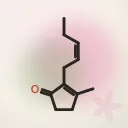 cis-Jasmone
Aroma chemical · Floral / Green — green, jasmine, fruity, celery
-
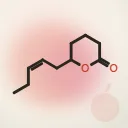 Jasmine Lactone
Aroma chemical · Fruity / Floral — peach, apricot, creamy, jasmine
Jasmine Absolute (Grandiflorum) is also suggested as a partner on the pages for Berryflor, Butter CO2 Extract, Cremefleur, Dihydrojasmone, Frangipani Absolute and Indolarome.
Used in formulas and accords
Used in 26 published formulas
Jasmine Absolute (Grandiflorum) is an ingredient in 12 perfume formulas, 11 accords and 3 bases in the Formula & Accord Library.
Community formulas
RUŌOD House Originals
Original compositions by RUŌOD House.
Further reading
Questions about Jasmine Absolute (Grandiflorum)
Is Jasmine Absolute (Grandiflorum) natural or synthetic?
Jasmine Absolute (Grandiflorum) is natural. It is a concentrated extract obtained from plant material with a solvent, then washed with ethanol to remove the waxes.
What is the CAS number of Jasmine Absolute (Grandiflorum)?
8022-96-6, the registry number for the absolute as a substance rather than a single molecule. It was checked against PubChem on 19 October 2026.
Which published formulas use Jasmine Absolute (Grandiflorum)?
Jasmine Absolute (Grandiflorum) is used in 26 published formulas in the RUŌOD Lab Formula & Accord Library, including 1882 Naturals, Bitter Bridle and Coconut Accord. Each is listed with a link under "Used in formulas and accords" on this page.
Is Jasmine Absolute (Grandiflorum) covered by an IFRA Standard?
Yes. The IFRA Standards Library lists a Standard covering it: "Jasmine absolute (grandiflorum)" — Restriction, 49th Amendment. The limits depend on the product category; read the Standard itself before formulating.
Sources
- PubChem — substance 164811435, checked 19 October 2026.
- IFRA — Standards Library, read 19 October 2026.
- Lvnea — Jasmine, featured note — published perfumery reference.
- Marc-Antoine Barrois — The art of jasmine perfume — published perfumery reference.
- Premiere Peau — Jasmine perfume — published perfumery reference.
- Olfactory profile: the RUŌOD Lab team's synthesis of the published descriptions above, reviewed 20 October 2026. Evidence: more than one published description. Classification and the short description: revision 1. Descriptions of odour are judgement, not measurement.