
In short
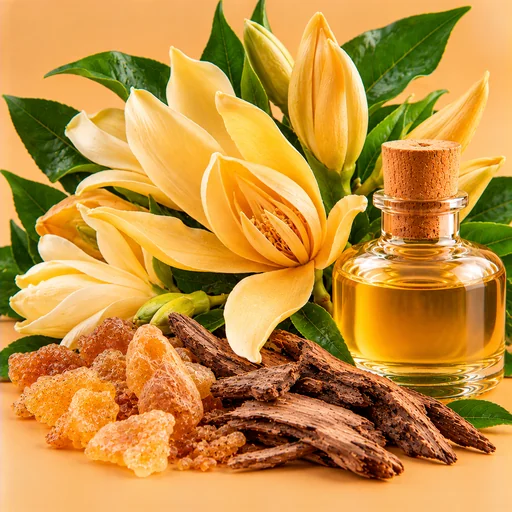
Champaca absolute is extracted from the flowers of Magnolia champaca, formerly Michelia champaca. It has a rich, fruity floral odour with tea and apricot facets.
What Champaca Absolute smells like
Champaca absolute is a rich, heady floral with apricot, tea and spicy facets. Red champaca, the heavier form, is described as dried apricot and raisin sweetness over warm clove-like spice, with hay, tobacco and vanilla in the drydown; the lighter, yellow form as delicate and tea-like. A champaca extract is presented as a velvety, vanilla-sweet floral with peach-apricot notes and spicy tea- and hay-like undertones that last into the drydown. The Good Scents Company lists dry tea and orange flower among its descriptors.
- Leading note
- Rich apricot floral
- Clear facets
- Tea
- Supporting facets
- Spicy, clove
- Faint facets
- Hay, tobacco, orange flower
- Character
- Rich, heady, warm, velvety
What makes Champaca Absolute distinctive
A white floral that tastes of fruit and tea: apricot and dried fruit over spice and tea, warmer and drier than jasmine.
How Champaca Absolute is used
Used as a floral heart in oriental and white-floral fine fragrance.
Typical role: modifier (used in small amounts to change the character of a blend).
How Champaca Absolute differs from similar materials
- Osmanthus Absolute
- Both pair apricot with tea; osmanthus adds a leathery, violet-ionone side, champaca a warmer floral with clove spice and hay.
- Magnolia Flower Oil
- Magnolia flower oil is distilled from the white Michelia alba flower, a related species: creamy and lemon-bright rather than heady.
Each difference compares the published descriptions of the two materials. Smell varies with grade, supplier and dilution; compare them side by side on blotters before substituting one for another.
Formulation considerations
Expensive and potent; use sparingly.
Identity and classification
- Type
- Absolute
- Origin
- Natural
- Odour family
- Floral / Fruity
- Note position
- Heart note
- Physical form at room temperature
- Viscous liquid
- Also known as
- Champak absolute
- Botanical source
- Magnolia champaca
No CAS number is shown: suppliers use different identifiers for this material, and none could be confirmed as its own.
Safety and compliance
This page is general information, not a safety assessment or a specification. Confirm identity, composition, IFRA status and allergen content from your supplier's documents for the lot you hold.
Materials it works with
-

 Ylang Ylang Oil
Essential oil · Floral / Spicy — floral, creamy, sweet, banana
-

 Jasmine Sambac Absolute
Absolute · Floral / Fruity — jasmine, green, fruity, tea-like
-
 Osmanthus Absolute
Absolute · Floral / Fruity — apricot, leathery, floral, tea-like
-
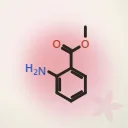 Methyl Anthranilate
Aroma chemical · Floral / Fruity — orange blossom, grape, sweet, floral
Champaca Absolute is also suggested as a partner on the pages for Magnolia Flower Oil.
Used in formulas and accords
Used in 2 published formulas
Champaca Absolute is an ingredient in 1 perfume formula and 1 accord in the Formula & Accord Library.
Community formulas
RUŌOD House Originals
Original compositions by RUŌOD House.
Further reading
Questions about Champaca Absolute
Is Champaca Absolute natural or synthetic?
Champaca Absolute is natural. It is a concentrated extract obtained from plant material with a solvent, then washed with ethanol to remove the waxes.
Which published formulas use Champaca Absolute?
Champaca Absolute is used in 2 published formulas in the RUŌOD Lab Formula & Accord Library: Champaca Tea Room and Plumeria Accord. Each is listed with a link under "Used in formulas and accords" on this page.
Sources
- Fraterworks — red champaca absolute — distributor's description.
- Eden Botanicals — Champaca CO2 — distributor's description.
- The Good Scents Company — champaca absolute — odour database.
- Olfactory profile: the RUŌOD Lab team's synthesis of the published descriptions above, reviewed 25 October 2026. Evidence: more than one published description. Classification and the short description: revision 1. Descriptions of odour are judgement, not measurement.