


In short
Neroli oil is the steam-distilled oil of bitter orange blossoms. It is a fresh, luminous floral-citrus and one of the most expensive citrus-tree materials, central to classic colognes.
What Neroli Oil smells like
Neroli oil, steam-distilled from bitter-orange flowers, is fresh, honeyed-floral and slightly green, with citrus brightness and a faint bitter, orange-leaf edge. Perfumers describe it as thinner, sharper and more piercing than orange-flower absolute — closer to petitgrain — and retailers as sharper, greener and more citrus, rich in linalool, with the heavier molecules left behind in distillation. Its indole is present but subtle. It gives brightness and lift where the absolute gives depth.
- Leading note
- Fresh citrus-floral
- Supporting facets
- Honeyed, green, orange leaf
- Faint facets
- Bitter, indolic
- Character
- Fresh, bright, sharp, light
What makes Neroli Oil distinctive
The light, bright orange blossom: fresher and greener than the absolute, more floral and honeyed than petitgrain from the same tree.
How Neroli Oil is used
Used for brightness and lift in eau de cologne, citrus and floral compositions, in the top and heart.
Typical role: backbone (used in large proportions as a structural material of an accord); lift (adds diffusion and radiance, especially at the top).
How Neroli Oil differs from similar materials
- Orange Flower Absolute
- Perfumers describe the absolute as deeper, richly indolic, honeyed and longer-lasting; neroli is thinner, sharper and more citrus. (compared directly by a cited source)
- Petitgrain Bigarade Oil
- Petitgrain, from the same tree's leaves, is greener and woodier; neroli is sweeter, floral and honeyed. (compared directly by a cited source)
- Aurantiol
- Aurantiol is sweeter and deeper; neroli is fresher, greener and more citrus. (compared directly by a cited source)
- Nerol Oxide
- Nerol oxide is the green, minty leaf-and-blossom note that adds body to neroli compositions; neroli is the full citrus-floral oil. (compared directly by a cited source)
- Nerolidol
- Nerolidol is a faint woody floral among its constituents; the oil is a bright, green-floral orange blossom.
An asterisk marks a difference that a cited source states directly. The others compare the published descriptions of each material. Smell varies with grade, supplier and dilution; compare them side by side on blotters before substituting one for another.
Formulation considerations
Costly and variable by origin and harvest; methyl anthranilate in the oil can react with aldehydes and cause discoloration.
Identity and classification
- Type
- Essential oil
- Origin
- Natural
- Odour family
- Floral / Citrus
- Note position
- Top to heart note
- Physical form at room temperature
- Liquid
- Also known as
- Orange flower oil
- Botanical source
- Citrus aurantium L.
- CAS number
- 8016-38-4
The CAS number was checked on 19 October 2026 against a PubChem substance record that gives it for this material. A natural material is a mixture, so it has no single formula; its composition varies with origin and processing.
Safety and compliance
This page is general information, not a safety assessment or a specification. Confirm identity, composition, IFRA status and allergen content from your supplier's documents for the lot you hold.
Materials it works with
-

 Petitgrain Bigarade Oil
Essential oil · Citrus / Floral — green, citrus, floral, bitter
-

 Bergamot Oil (Expressed)
Essential oil · Citrus / Aromatic — citrus, zesty, floral, tea-like
-

 Orange Flower Absolute
Absolute · Floral / Animalic — orange blossom, honeyed, indolic, floral
-

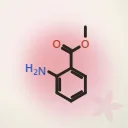 Methyl Anthranilate
Aroma chemical · Floral / Fruity — orange blossom, grape, sweet, floral
-

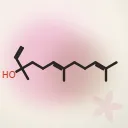 Nerolidol
Aroma chemical · Floral / Woody — floral, woody, soft, faint
Neroli Oil is also suggested as a partner on the pages for Aurantiol, Bergamot Oil FCF, Bitter Orange Oil (Expressed), Dimethyl Anthranilate, Nerolina Oil and Petitgrain Absolute.
Used in formulas and accords
Used in 22 published formulas
Neroli Oil is an ingredient in 11 perfume formulas, 8 accords and 3 bases in the Formula & Accord Library.
Community formulas
RUŌOD House Originals
Original compositions by RUŌOD House.
Further reading
Questions about Neroli Oil
Is Neroli Oil natural or synthetic?
Neroli Oil is natural. It is a volatile oil obtained from plant material by steam distillation or, for citrus peels, by cold expression.
What is the CAS number of Neroli Oil?
8016-38-4, the registry number for the essential oil as a substance rather than a single molecule. It was checked against PubChem on 19 October 2026.
Which published formulas use Neroli Oil?
Neroli Oil is used in 22 published formulas in the RUŌOD Lab Formula & Accord Library, including Bitter Bridle, Bitter Ferry and Carnation Accord. Each is listed with a link under "Used in formulas and accords" on this page.
Sources
- PubChem — substance 532945157, checked 19 October 2026.
- Basenotes — orange blossom versus neroli (forum) — published perfumery reference.
- Experimental Perfume Club — orange blossom and neroli — published perfumery reference.
- Premiere Peau — Neroli — published perfumery reference.
- Olfactory profile: the RUŌOD Lab team's synthesis of the published descriptions above, reviewed 21 October 2026. Evidence: more than one published description. Classification and the short description: revision 1. Descriptions of odour are judgement, not measurement.