


In short
Ethylene brassylate is a macrocyclic musk ester, inexpensive and biodegradable, with a soft, sweet, powdery musk note.
What Ethylene Brassylate smells like
Ethylene brassylate (Musk T) is sweet, musky and powdery: a perfumery reference describes it as extremely soft, clean, sweet and warmly powdery-smooth with a faint floral touch, an ambrette-like nuance and vanilla warmth in the drydown; Pell Wall lists musk, powdery, sweet, floral, ambrette-like with woody, spicy and vanilla nuances; another source sweet-musky, somewhat oily. It is exceptionally tenacious and a good fixative.
- Leading note
- Soft powdery musk
- Clear facets
- Sweet
- Faint facets
- Ambrette, vanilla
- Character
- Soft, clean, tenacious
What makes Ethylene Brassylate distinctive
The economical soft musk: sweet, powdery and very long-lasting.
How Ethylene Brassylate is used
Used widely as a soft musk and fixative in fine and functional fragrance.
Typical role: fixative (slow to evaporate; helps a blend last and holds lighter notes); blender (smooths the joins between other materials).
How Ethylene Brassylate differs from similar materials
- Helvetolide
- Firmenich places Helvetolide between ambrettolide and ethylene brassylate, with a fruity pear aspect; ethylene brassylate is the softer, more powdery one. (compared directly by a cited source)
- Habanolide
- Habanolide adds a hot-iron metallic facet; ethylene brassylate is softer and more powdery-sweet.
- Zenolide
- Zenolide, the ethylene diester one carbon shorter, is described as creamier, with red-berry nuances.
An asterisk marks a difference that a cited source states directly. The others compare the published descriptions of each material. Smell varies with grade, supplier and dilution; compare them side by side on blotters before substituting one for another.
Formulation considerations
A liquid that blends easily; mild, so it is used at moderate to high levels.
Identity and classification
- Type
- Aroma chemical
- Origin
- Synthetic
- Odour family
- Musky / Powdery
- Note position
- Base note
- Physical form at room temperature
- Liquid
- Also known as
- Musk T
- CAS number
- 105-95-3
- Molecular formula
- C15H26O4
- Molecular weight
- 270.36 g/mol
- IUPAC name
- 1,4-dioxacycloheptadecane-5,17-dione
The CAS number, formula and molecular weight are taken from PubChem compound 61014, whose own record lists this CAS number; checked 19 October 2026.
Safety and compliance
Hazard classification of the neat substance, as PubChem summarises it, read 26 October 2026. Companies notifying the ECHA C&L Inventory classify it (2,061 reports): H411 toxic to aquatic life with long lasting effects (23.3% of reports). 1,521 of the reports find it does not meet the hazard criteria. Unless it is harmonised, this is the notifiers' own classification, not a binding one.
This page is general information, not a safety assessment or a specification. Confirm identity, composition, IFRA status and allergen content from your supplier's documents for the lot you hold.
Materials it works with
-

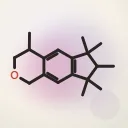 Galaxolide
Aroma chemical · Musky / Floral — musky, clean, sweet, floral
-

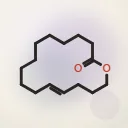 Habanolide
Aroma chemical · Musky / Metallic — musky, clean, metallic, powdery
-

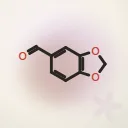 Heliotropin
Aroma chemical · Powdery / Gourmand — powdery, almond, vanilla, floral
Ethylene Brassylate is also suggested as a partner on the pages for Applelide, Isomuscone, Musk R1, Tonalide and Zenolide.
Used in formulas and accords
Used in 39 published formulas
Ethylene Brassylate is an ingredient in 27 perfume formulas and 12 accords in the Formula & Accord Library.
Community formulas
RUŌOD House Originals
Original compositions by RUŌOD House.
Further reading
Questions about Ethylene Brassylate
Is Ethylene Brassylate natural or synthetic?
Ethylene Brassylate is synthetic — it is made by chemical synthesis.
What is the CAS number of Ethylene Brassylate?
105-95-3. It was checked against PubChem on 19 October 2026.
Which published formulas use Ethylene Brassylate?
Ethylene Brassylate is used in 39 published formulas in the RUŌOD Lab Formula & Accord Library, including Apple Cellar, Cardamom Crema and Cherry Blossom Accord. Each is listed with a link under "Used in formulas and accords" on this page.
Sources
- PubChem — compound 61014, checked 19 October 2026.
- PubChem — GHS classification (the ECHA C&L Inventory notifications and any harmonised EU entry), read 26 October 2026.
- The Good Scents Company — ethylene brassylate — odour database.
- Scentspiracy — Musk T (ethylene brassylate) — distributor's description.
- Olfactory profile: the RUŌOD Lab team's synthesis of the published descriptions above, reviewed 24 October 2026. Evidence: more than one published description. Classification and the short description: revision 1. Descriptions of odour are judgement, not measurement.