
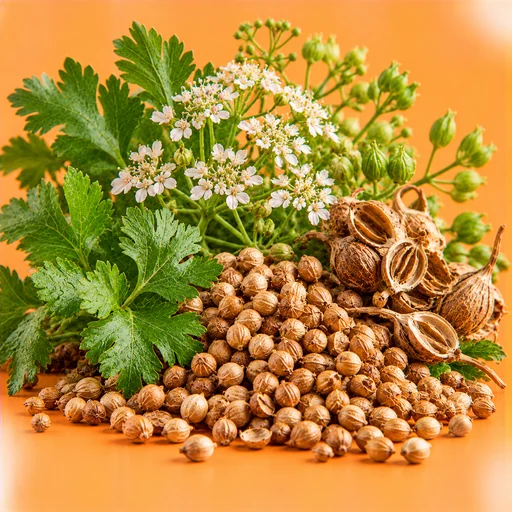

In short
Coriander seed oil is distilled from the seeds of Coriandrum sativum and is rich in linalool. It gives a fresh, spicy-floral note.
What Coriander Seed Oil smells like
Coriander seed oil is a sweet, woody-spicy and floral-balsamic oil rich in linalool. Scentspiracy describes a peppery-woody opening and a candy-like floral heart, with a clean, soft profile; an aromatherapy datasheet gives sweet and spicy with a subtle anise note. Minor constituents such as gamma-terpinene, alpha-pinene and camphor shape its peppery-woody opening. Several suppliers note its resemblance to rosewood.
- Leading note
- Sweet spicy floral
- Clear facets
- Woody, peppery
- Supporting facets
- Balsamic
- Faint facets
- Anise
- Character
- Sweet, fresh, warm, soft
What makes Coriander Seed Oil distinctive
A spice that smells like a flower: its linalool gives a floral sweetness that sets it apart from the hotter, drier spices.
How Coriander Seed Oil is used
Used as a top-to-heart blender and modifier in oriental, chypre, floral and cologne structures, and in fougères alongside lavender and coumarin.
Typical role: modifier (used in small amounts to change the character of a blend); blender (smooths the joins between other materials).
How Coriander Seed Oil differs from similar materials
- Rosewood Oil (Bois de Rose)
- Suppliers note coriander's resemblance to rosewood; rosewood is woodier and rosier, coriander spicier and more peppery. (compared directly by a cited source)
An asterisk marks a difference that a cited source states directly. The others compare the published descriptions of each material. Smell varies with grade, supplier and dilution; compare them side by side on blotters before substituting one for another.
Formulation considerations
Linalool-rich; store cold to slow oxidation.
Identity and classification
- Type
- Essential oil
- Origin
- Natural
- Odour family
- Spicy / Floral
- Note position
- Top note
- Physical form at room temperature
- Liquid
- Botanical source
- Coriandrum sativum L.
- CAS number
- 8008-52-4
The CAS number was checked on 19 October 2026 against a PubChem substance record that gives it for this material. A natural material is a mixture, so it has no single formula; its composition varies with origin and processing.
Safety and compliance
This page is general information, not a safety assessment or a specification. Confirm identity, composition, IFRA status and allergen content from your supplier's documents for the lot you hold.
Materials it works with
-

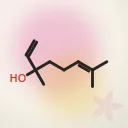 Linalool
Aroma chemical · Floral / Citrus — floral, fresh, woody, citrus
-
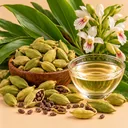
 Cardamom Oil
Essential oil · Spicy / Aromatic — spicy, aromatic, fresh, eucalyptus
-
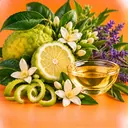
 Bergamot Oil (Expressed)
Essential oil · Citrus / Aromatic — citrus, zesty, floral, tea-like
Coriander Seed Oil is also suggested as a partner on the pages for Caraway Oil, Cardamom Absolute, Celery Seed Oil, Parsley Seed Oil, trans-2-Decenal and trans-2-Dodecenal.
Used in formulas and accords
Used in 15 published formulas
Coriander Seed Oil is an ingredient in 12 perfume formulas, 1 accord and 2 bases in the Formula & Accord Library.
Community formulas
RUŌOD House Originals
Original compositions by RUŌOD House.
Further reading
Questions about Coriander Seed Oil
Is Coriander Seed Oil natural or synthetic?
Coriander Seed Oil is natural. It is a volatile oil obtained from plant material by steam distillation or, for citrus peels, by cold expression.
What is the CAS number of Coriander Seed Oil?
8008-52-4, the registry number for the essential oil as a substance rather than a single molecule. It was checked against PubChem on 19 October 2026.
Which published formulas use Coriander Seed Oil?
Coriander Seed Oil is used in 15 published formulas in the RUŌOD Lab Formula & Accord Library, including 1882 Naturals, Black Pepper Sail and Citrus Censer. Each is listed with a link under "Used in formulas and accords" on this page.
Sources
- PubChem — substance 135292304, checked 19 October 2026.
- Scentspiracy — Coriander seed oil — distributor's description.
- Aliksir — Coriander seed essential oil — manufacturer's description.
- Eden Botanicals — Coriander seed, organic — distributor's description.
- Olfactory profile: the RUŌOD Lab team's synthesis of the published descriptions above, reviewed 20 October 2026. Evidence: more than one published description. Classification and the short description: revision 1. Descriptions of odour are judgement, not measurement.