

In short
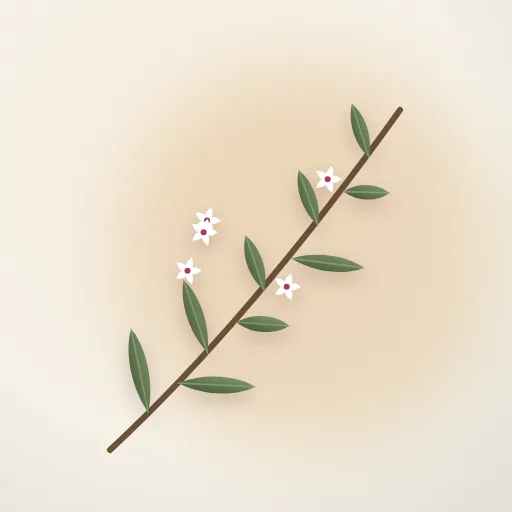
Cistus absolute is extracted from the leaves and twigs of the rockrose, not from its gum. It is brighter and more herbaceous than labdanum absolute, with amber and leather.
What Cistus Absolute smells like
Suppliers explain that cistus oil and absolute come from the small branches and leaves of Cistus ladanifer, while labdanum resinoid and absolute are made from the gum. The Good Scents Company lists a cistus twig and leaf absolute as sweet, old wood, amber, balsamic, ambergris, animal, resinous, phenolic and leathery; a reviewer finds cistus brighter and sweeter, with a dank herbaceous, tea-like quality, leather and honey. A Basenotes thread notes that the two names are used interchangeably in the literature and by some vendors.
- Leading note
- Amber
- Clear facets
- Balsamic
- Supporting facets
- Leathery, herbaceous
- Faint facets
- Ambergris
- Character
- Warm, bright
What makes Cistus Absolute distinctive
The rockrose leaf rather than its gum: amber with a herbaceous lift.
How Cistus Absolute is used
Used in amber, chypre and leather accords where a lighter, more herbaceous labdanum effect is wanted.
Typical role: modifier (used in small amounts to change the character of a blend); fixative (slow to evaporate; helps a blend last and holds lighter notes).
How Cistus Absolute differs from similar materials
- Labdanum Absolute
- Labdanum absolute is extracted from the rockrose gum and is the heavier classic amber; cistus absolute is from the leaves and twigs, brighter and more herbaceous.
Each difference compares the published descriptions of the two materials. Smell varies with grade, supplier and dilution; compare them side by side on blotters before substituting one for another.
Formulation considerations
Shares its CAS number with labdanum absolute (8016-26-0), so none is given here. Suppliers sometimes sell one under the other's name; check which part of the plant was extracted.
Identity and classification
- Type
- Absolute
- Origin
- Natural
- Odour family
- Amber / Aromatic
- Note position
- Base note
- Physical form at room temperature
- Viscous liquid
- Also known as
- Ciste absolute
- Botanical source
- Cistus ladanifer L.
No CAS number is shown: suppliers use different identifiers for this material, and none could be confirmed as its own.
Safety and compliance
This page is general information, not a safety assessment or a specification. Confirm identity, composition, IFRA status and allergen content from your supplier's documents for the lot you hold.
Materials it works with
-
 Labdanum Absolute
Absolute · Amber / Leather — amber, balsamic, leathery, animalic
-
 Labdanum Resinoid
Resinoid · Amber / Leather — amber, leathery, balsamic, woody
-

 Oakmoss Absolute
Absolute · Chypre / Green — mossy, earthy, inky, forest floor
Used in formulas and accords
Used in 18 published formulas
Cistus Absolute is an ingredient in 15 perfume formulas and 3 accords in the Formula & Accord Library.
Community formulas
RUŌOD House Originals
Original compositions by RUŌOD House.
Further reading
Questions about Cistus Absolute
Is Cistus Absolute natural or synthetic?
Cistus Absolute is natural. It is a concentrated extract obtained from plant material with a solvent, then washed with ethanol to remove the waxes.
Which published formulas use Cistus Absolute?
Cistus Absolute is used in 18 published formulas in the RUŌOD Lab Formula & Accord Library, including Asphalt Peony, Beeswax Throne and Bitter Bridle. Each is listed with a link under "Used in formulas and accords" on this page.
Sources
- The Good Scents Company — cistus absolute — odour database.
- Eden Botanicals — Cistus Absolute, Fractionated — distributor's description.
- Basenotes — Labdanum and cistus: are they the same? — published perfumery reference.
- Olfactory profile: the RUŌOD Lab team's synthesis of the published descriptions above, reviewed 24 October 2026. Evidence: more than one published description. Classification and the short description: revision 1. Descriptions of odour are judgement, not measurement.