


In short
Mandarin oil is the cold-expressed peel oil of the mandarin, available in green, yellow and red qualities depending on the ripeness of the fruit. It is a soft, sweet citrus that blends easily with florals.
What Mandarin Oil smells like
Mandarin oil is sweet, juicy and gentle, with a slightly floral, faintly medicinal edge that comes from trace constituents such as methyl N-methylanthranilate. Commercial grades differ by ripeness: green mandarin, from unripe fruit, is sharper and more herbaceous; yellow is balanced; red, from fully ripe fruit, is the deepest and sweetest, almost jammy. These grade descriptions come from suppliers and glossaries rather than formal references.
- Leading note
- Sweet tangerine
- Supporting facets
- Floral
- Faint facets
- Faintly medicinal, herbaceous (green grade)
- Character
- Sweet, gentle, juicy, soft
What makes Mandarin Oil distinctive
The gentle citrus: sweeter and softer than orange, with the delicate, slightly floral mandarin note of its anthranilate traces.
How Mandarin Oil is used
Used as a soft, sweet citrus top note, in colognes, fruity and gourmand compositions and children's products, and in flavours. Green mandarin suits fresher, sharper effects.
Typical role: lift (adds diffusion and radiance, especially at the top); blender (smooths the joins between other materials).
How Mandarin Oil differs from similar materials
- Sweet Orange Oil
- Sweet orange is the straightforward juicy orange; mandarin is gentler, with a slightly floral, faintly medicinal edge.
- Dimethyl Anthranilate
- Dimethyl anthranilate is the soft mandarin trace on its own; the oil adds juicy limonene citrus around it.
- Yuzu Oil
- Yuzu sits between grapefruit and mandarin, drier, greener and more aromatic; mandarin is sweeter and softer.
- Blood Orange Oil
- Blood orange oil is sharper and tarter, sweet orange with a more complex edge; mandarin is softer and sweeter, with a floral side.
Each difference compares the published descriptions of the two materials. Smell varies with grade, supplier and dilution; compare them side by side on blotters before substituting one for another.
Formulation considerations
Oxidises like other expressed citrus oils. Its anthranilate content can contribute to discoloration with aldehydes in some bases.
Identity and classification
- Type
- Essential oil
- Origin
- Natural
- Odour family
- Citrus / Fruity
- Note position
- Top note
- Physical form at room temperature
- Liquid
- Also known as
- Mandarin essential oil
- Botanical source
- Citrus reticulata Blanco
- CAS number
- 8008-31-9
The CAS number was checked on 19 October 2026 against a PubChem substance record that gives it for this material. A natural material is a mixture, so it has no single formula; its composition varies with origin and processing.
Safety and compliance
This page is general information, not a safety assessment or a specification. Confirm identity, composition, IFRA status and allergen content from your supplier's documents for the lot you hold.
Materials it works with
-

 Sweet Orange Oil
Essential oil · Citrus / Fruity — citrus, sweet, juicy, orange peel
-

 Neroli Oil
Essential oil · Floral / Citrus — floral, citrus, orange blossom, honeyed
-

 Orange Flower Absolute
Absolute · Floral / Animalic — orange blossom, honeyed, indolic, floral
-

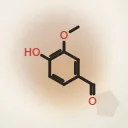 Vanillin
Aroma chemical · Gourmand / Amber — vanilla, sweet, creamy
-

 Petitgrain Bigarade Oil
Essential oil · Citrus / Floral — green, citrus, floral, bitter
Mandarin Oil is also suggested as a partner on the pages for Blood Orange Oil, Dimethyl Anthranilate, gamma-Terpinene, trans-2-Decenal, trans-2-Dodecenal and Yuzu Oil.
Used in formulas and accords
Used in 34 published formulas
Mandarin Oil is an ingredient in 30 perfume formulas, 3 accords and 1 base in the Formula & Accord Library.
Community formulas
RUŌOD House Originals
Original compositions by RUŌOD House.
Further reading
Questions about Mandarin Oil
Is Mandarin Oil natural or synthetic?
Mandarin Oil is natural. It is a volatile oil obtained from plant material by steam distillation or, for citrus peels, by cold expression.
What is the CAS number of Mandarin Oil?
8008-31-9, the registry number for the essential oil as a substance rather than a single molecule. It was checked against PubChem on 19 October 2026.
Which published formulas use Mandarin Oil?
Mandarin Oil is used in 34 published formulas in the RUŌOD Lab Formula & Accord Library, including Apricot Dust, Cardamom Crema and Cherry Accord. Each is listed with a link under "Used in formulas and accords" on this page.
Sources
- PubChem — substance 135285998, checked 19 October 2026.
- Premiere Peau — Mandarin orange — published perfumery reference.
- Bioshop — Ingredient glossary: mandarin essential oil — distributor's description.
- ChemicalBook — methyl N-methylanthranilate (occurrence in mandarin oil) — odour database.
- Olfactory profile: the RUŌOD Lab team's synthesis of the published descriptions above, reviewed 26 October 2026. Evidence: more than one published description. Classification and the short description: revision 1. Descriptions of odour are judgement, not measurement.