
In short
Galbanum oil is distilled from the gum-resin of Ferula gummosa from Iran. It is one of the most intense green naturals in perfumery.
What Galbanum Oil smells like
Galbanum oil is one of the most intensely green materials in perfumery: very powerful, sharp and bitter, often likened to sliced green bell peppers, snapped stems and hyacinth leaves. Beneath the green it has a resinous, woody-balsamic body, and the distilled oil carries a pine-like top note that the resinoid lacks. Distributors describe a metallic edge to the opening and a drift towards the balsamic base as it dries down. Much of its character comes from trace constituents: Perfumer & Flavorist identifies 2-isobutyl-3-methoxypyrazine and an undecatriene as the most important contributors to its harsh green note.
- Leading note
- Sharp green, like cut green pepper
- Clear facets
- Resinous, woody-balsamic
- Supporting facets
- Bitter, pine-like top
- Faint facets
- Metallic, hyacinth leaf
- Character
- Sharp, bitter, green, powerful
What makes Galbanum Oil distinctive
It is a natural green with weight. Synthetic galbanum-type materials such as allyl amyl glycolate add fruit; galbanum oil instead pairs its cut-pepper greenness with a resinous, balsamic body, which is why it reads as a living plant rather than as fruit or grass.
Concentration and dilution
Very powerful; its green dominates at full strength. Distributors describe the sharp, metallic green fading over time into a woody-balsamic, resinous drydown.
How Galbanum Oil is used
Used for green tops and green-floral and green-chypre structures, where a small amount gives a bitter, leafy edge. It is frequently adulterated with pine oil, so its quality is worth checking.
Typical role: modifier (used in small amounts to change the character of a blend).
How Galbanum Oil differs from similar materials
- Allyl Amyl Glycolate
- Allyl amyl glycolate is a synthetic galbanum-type note with pineapple fruit attached; galbanum oil is resinous and balsamic beneath its green, with no fruit.
- Cyclogalbanate
- Cyclogalbanate gives a herbal, cool galbanum effect with a pineapple side; galbanum oil is sharper, more bitter and more resinous.
- Dynascone
- Dynascone is a far more powerful synthetic with a hyacinth and green-pineapple character; galbanum oil is the natural, resinous green it is designed to recall.
- 2-Isobutyl-3-methoxypyrazine
- The pyrazine is one of galbanum oil's own key trace constituents — the raw green-pepper note on its own, without the resin, pine and balsamic body of the oil. (compared directly by a cited source)
- Stemone
- Stemone is a lighter fig-leaf and ivy green that one supplier says can partly replace galbanum oil; galbanum is sharper, bitter and resinous. (compared directly by a cited source)
An asterisk marks a difference that a cited source states directly. The others compare the published descriptions of each material. Smell varies with grade, supplier and dilution; compare them side by side on blotters before substituting one for another.
Formulation considerations
Powerful; small amounts dominate a blend.
Identity and classification
- Type
- Essential oil
- Origin
- Natural
- Odour family
- Green / Resinous
- Note position
- Top note
- Physical form at room temperature
- Liquid
- Botanical source
- Ferula gummosa Boiss.
- CAS number
- 8023-91-4
The CAS number was checked on 19 October 2026 against a PubChem substance record that gives it for this material. A natural material is a mixture, so it has no single formula; its composition varies with origin and processing.
Safety and compliance
This page is general information, not a safety assessment or a specification. Confirm identity, composition, IFRA status and allergen content from your supplier's documents for the lot you hold.
Materials it works with
-

 Violet Leaf Absolute
Absolute · Green / Aquatic — green, leafy, cucumber, watery
-
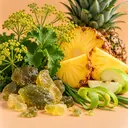
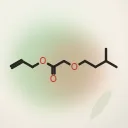 Allyl Amyl Glycolate
Aroma chemical · Green / Fruity — green, pineapple, galbanum, fruity
-

 Oakmoss Absolute
Absolute · Chypre / Green — mossy, earthy, inky, forest floor
-

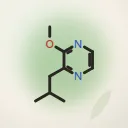 2-Isobutyl-3-methoxypyrazine
Aroma chemical · Green — green pepper, galbanum, earthy, pea
-
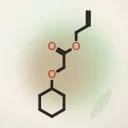 Cyclogalbanate
Aroma chemical · Green / Fruity — galbanum, green, pineapple, fruity
Galbanum Oil is also suggested as a partner on the pages for Acetaldehyde Ethyl Phenylethyl Acetal, Anther, Dynascone, Galbanum Resinoid, Glycolierral and Isocyclocitral.
Used in formulas and accords
Used in 11 published formulas
Galbanum Oil is an ingredient in 10 perfume formulas and 1 accord in the Formula & Accord Library.
RUŌOD House Originals
Original compositions by RUŌOD House.
Further reading
Questions about Galbanum Oil
Is Galbanum Oil natural or synthetic?
Galbanum Oil is natural. It is a volatile oil obtained from plant material by steam distillation or, for citrus peels, by cold expression.
What is the CAS number of Galbanum Oil?
8023-91-4, the registry number for the essential oil as a substance rather than a single molecule. It was checked against PubChem on 19 October 2026.
Which published formulas use Galbanum Oil?
Galbanum Oil is used in 11 published formulas in the RUŌOD Lab Formula & Accord Library, including Bracken Moon, Galbanum Courtyard and Green Fig Shade. Each is listed with a link under "Used in formulas and accords" on this page.
Sources
- PubChem — substance 135281852, checked 19 October 2026.
- Fraterworks — galbanum oil, Iran (wild) — distributor's description.
- dsm-firmenich — Galbanum EO rect — manufacturer's description.
- Perfumer & Flavorist — 1,3,5-undecatriene and 2-methoxy-3-isobutylpyrazine: galbanum green notes — published literature.
- Bois de Jasmin — Perfume vocabulary: galbanum — published perfumery reference.
- Wikipedia — Galbanum — published perfumery reference.
- Olfactory profile: the RUŌOD Lab team's synthesis of the published descriptions above, reviewed 20 October 2026. Evidence: several independent published descriptions, which agree. Classification and the short description: revision 1. Descriptions of odour are judgement, not measurement.