

In short
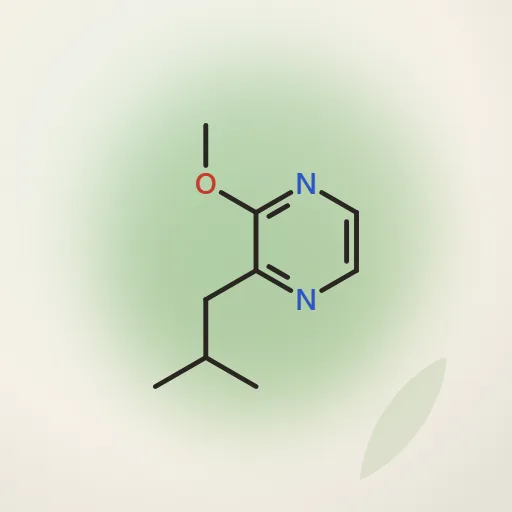
2-Isobutyl-3-methoxypyrazine is the compound that gives green bell peppers their smell and a key odorant of galbanum. It is among the most powerful green odorants and is used in minute traces.
What 2-Isobutyl-3-methoxypyrazine smells like
2-Isobutyl-3-methoxypyrazine is the smell of a freshly cut green bell pepper, concentrated to an extraordinary degree. Supplier descriptions give green bell pepper, green pea and galbanum, with an earthy, pungent character; its odour threshold is so low that trace amounts suffice. It occurs naturally in green bell pepper and in petitgrain oil, and Perfumer & Flavorist identifies it, with an undecatriene, as one of the most important minor constituents behind galbanum oil's harsh green odour.
- Leading note
- Green bell pepper
- Clear facets
- Green pea
- Supporting facets
- Galbanum, earthy
- Character
- Green, pungent, raw, intense
What makes 2-Isobutyl-3-methoxypyrazine distinctive
It is the bell-pepper note isolated: no resin, no fruit, no grass — the raw vegetable green that is part of what makes galbanum and petitgrain smell as they do.
Concentration and dilution
Used only in traces, typically from a heavily diluted stock, because of its extremely low odour threshold.
How 2-Isobutyl-3-methoxypyrazine is used
Used in traces for green, earthy nuances, in green-floral compositions and galbanum and petitgrain reconstructions, and in vegetable flavours.
Typical role: modifier (used in small amounts to change the character of a blend).
How 2-Isobutyl-3-methoxypyrazine differs from similar materials
- Galbanum Oil
- Perfumer & Flavorist names the pyrazine as one of galbanum oil's key green constituents; the oil adds resin, pine and balsam around that raw pepper note. (compared directly by a cited source)
An asterisk marks a difference that a cited source states directly. The others compare the published descriptions of each material. Smell varies with grade, supplier and dilution; compare them side by side on blotters before substituting one for another.
Formulation considerations
Extremely potent; work from 0.01% or weaker.
Identity and classification
- Type
- Aroma chemical
- Origin
- Occurs in nature
- Odour family
- Green
- Note position
- Top to heart note
- Physical form at room temperature
- Liquid
- Also known as
- IBMP
- CAS number
- 24683-00-9
- Molecular formula
- C9H14N2O
- Molecular weight
- 166.22 g/mol
- IUPAC name
- 2-methoxy-3-(2-methylpropyl)pyrazine
The CAS number, formula and molecular weight are taken from PubChem compound 32594, whose own record lists this CAS number; checked 19 October 2026.
Safety and compliance
Hazard classification of the neat substance, as PubChem summarises it, read 26 October 2026. Companies notifying the ECHA C&L Inventory classify it (289 reports): H315 causes skin irritation (16.6% of reports); H319 causes serious eye irritation (16.6% of reports); H335 may cause respiratory irritation (15.2% of reports). 241 of the reports find it does not meet the hazard criteria. Unless it is harmonised, this is the notifiers' own classification, not a binding one.
This page is general information, not a safety assessment or a specification. Confirm identity, composition, IFRA status and allergen content from your supplier's documents for the lot you hold.
Materials it works with
-

 Galbanum Oil
Essential oil · Green / Resinous — green, sharp, bitter, resinous
-

 Violet Leaf Absolute
Absolute · Green / Aquatic — green, leafy, cucumber, watery
-
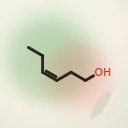 cis-3-Hexenol
Aroma chemical · Green / Fruity — green, cut grass, leafy, fresh
-

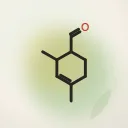 Triplal
Aroma chemical · Green / Citrus — green, leafy, sharp, fresh
Used in formulas and accords
Used in 1 published formula
2-Isobutyl-3-methoxypyrazine is an ingredient in 1 perfume formula in the Formula & Accord Library.
RUŌOD House Originals
Original compositions by RUŌOD House.
Further reading
Questions about 2-Isobutyl-3-methoxypyrazine
Is 2-Isobutyl-3-methoxypyrazine natural or synthetic?
The molecule occurs in nature. Commercial 2-Isobutyl-3-methoxypyrazine may be made by synthesis or obtained from natural sources, so check the supplier's specification if the distinction matters to you.
What is the CAS number of 2-Isobutyl-3-methoxypyrazine?
24683-00-9. It was checked against PubChem on 19 October 2026.
Which published formulas use 2-Isobutyl-3-methoxypyrazine?
2-Isobutyl-3-methoxypyrazine is used in 1 published formula in the RUŌOD Lab Formula & Accord Library: Green Pod Theory. Each is listed with a link under "Used in formulas and accords" on this page.
Sources
- PubChem — compound 32594, checked 19 October 2026.
- PubChem — GHS classification (the ECHA C&L Inventory notifications and any harmonised EU entry), read 26 October 2026.
- The Good Scents Company — 2-isobutyl-3-methoxypyrazine — odour database.
- Perfumer & Flavorist — 1,3,5-undecatriene and 2-methoxy-3-isobutylpyrazine: galbanum green notes — published literature.
- Parchem — 2-isobutyl-3-methoxypyrazine specification — distributor's description.
- Olfactory profile: the RUŌOD Lab team's synthesis of the published descriptions above, reviewed 20 October 2026. Evidence: several independent published descriptions, which agree. Classification and the short description: revision 1. Descriptions of odour are judgement, not measurement.