
In short
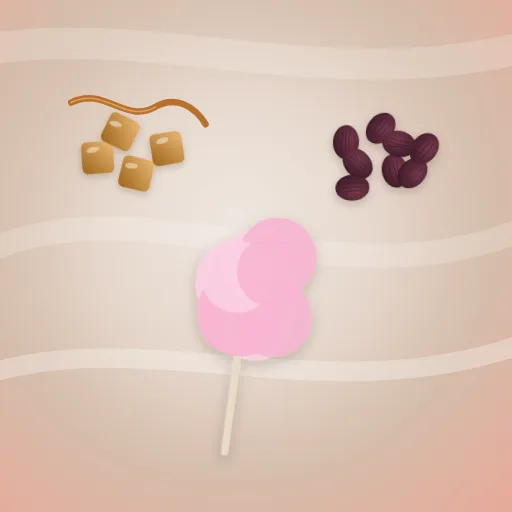
Ethyl maltol is a synthetic material with an intense candyfloss, caramelised-sugar smell. It made the sugary gourmand fragrance possible.
What Ethyl Maltol smells like
Ethyl maltol is the stronger, more candy-like relative of maltol: a sweet, sugary, caramelised, jammy, strawberry-like odour reminiscent of candyfloss. Estimates of its strength relative to maltol range from four to six times to about ten. Glossaries contrast maltol's toasted bread crust with ethyl maltol's spun sugar. It is used at low levels, and has largely replaced maltol in fine fragrance.
- Leading note
- Candyfloss
- Clear facets
- Caramelised sugar
- Supporting facets
- Jammy strawberry
- Character
- Sweet, sugary, intense
What makes Ethyl Maltol distinctive
Spun sugar: the fairground candyfloss note, sweeter and more fruit-jam than maltol's toasted crust.
Where the descriptions disagree: Estimates of ethyl maltol's strength relative to maltol differ: four to six times in ChemicalBook, about ten times in one blog citing Sell.
How Ethyl Maltol is used
Used at low levels for sugary, candy and red-fruit sweetness in gourmand and fruity compositions, and in flavours.
Typical role: modifier (used in small amounts to change the character of a blend).
How Ethyl Maltol differs from similar materials
- Maltol
- Maltol is drier, toasted bread crust and caramel; ethyl maltol is several times stronger, sweeter spun sugar. (compared directly by a cited source)
- Furaneol
- Furaneol is caramelised strawberry and pineapple; ethyl maltol is candyfloss with a jammy edge.
- Ethyl Vanillin
- Ethyl vanillin is creamy vanilla; ethyl maltol is candyfloss and caramelised sugar. The two are often used together.
- Cyclotene
- Cyclotene is maple and nutty caramel; ethyl maltol is sugary candyfloss.
An asterisk marks a difference that a cited source states directly. The others compare the published descriptions of each material. Smell varies with grade, supplier and dilution; compare them side by side on blotters before substituting one for another.
Formulation considerations
A solid with limited solubility in some materials; dissolve in ethanol or a suitable solvent. Can discolour with iron.
Identity and classification
- Type
- Aroma chemical
- Origin
- Synthetic
- Odour family
- Gourmand / Fruity
- Note position
- Heart to base note
- Physical form at room temperature
- Solid
- CAS number
- 4940-11-8
- Molecular formula
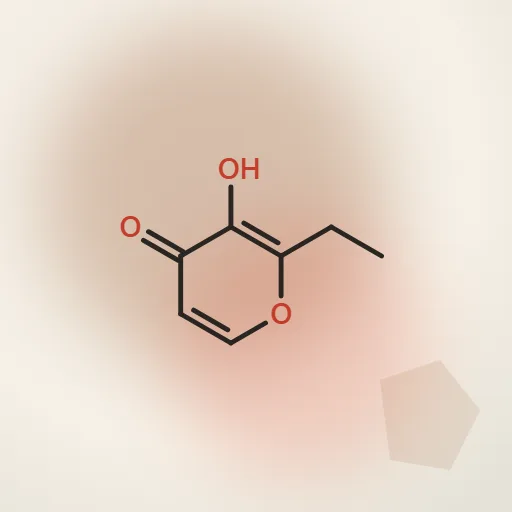
- C7H8O3
- Molecular weight
- 140.14 g/mol
- IUPAC name
- 2-ethyl-3-hydroxypyran-4-one
The CAS number, formula and molecular weight are taken from PubChem compound 21059, whose own record lists this CAS number; checked 19 October 2026.
Safety and compliance
Hazard classification of the neat substance, as PubChem summarises it, read 26 October 2026. Companies notifying the ECHA C&L Inventory classify it (2,365 reports): H302 harmful if swallowed (99.7% of reports). 7 of the reports find it does not meet the hazard criteria. Unless it is harmonised, this is the notifiers' own classification, not a binding one.
This page is general information, not a safety assessment or a specification. Confirm identity, composition, IFRA status and allergen content from your supplier's documents for the lot you hold.
Materials it works with
-

 Vanillin
Aroma chemical · Gourmand / Amber — vanilla, sweet, creamy
-

 Maltol
Aroma chemical · Gourmand / Fruity — caramel, sweet, bready, cooked fruit
-

 Furaneol
Aroma chemical · Gourmand / Fruity — strawberry, caramel, jammy, sweet
-

 Patchouli Oil
Essential oil · Woody / Chypre — earthy, woody, camphoraceous, dark
Ethyl Maltol is also suggested as a partner on the pages for Cyclotene, Ethyl Undecylenate, Ethyl Vanillin, Maltyl Isobutyrate and Raspberry Ketone.
Used in formulas and accords
Used in 31 published formulas
Ethyl Maltol is an ingredient in 9 perfume formulas, 20 accords and 2 bases in the Formula & Accord Library.
Community formulas
RUŌOD House Originals
Original compositions by RUŌOD House.
Further reading
Questions about Ethyl Maltol
Is Ethyl Maltol natural or synthetic?
Ethyl Maltol is synthetic — it is made by chemical synthesis.
What is the CAS number of Ethyl Maltol?
4940-11-8. It was checked against PubChem on 19 October 2026.
Which published formulas use Ethyl Maltol?
Ethyl Maltol is used in 31 published formulas in the RUŌOD Lab Formula & Accord Library, including Aperol Spritz Accord, Banana Bread and Blackberry Accord. Each is listed with a link under "Used in formulas and accords" on this page.
Sources
- PubChem — compound 21059, checked 19 October 2026.
- PubChem — GHS classification (the ECHA C&L Inventory notifications and any harmonised EU entry), read 26 October 2026.
- ChemicalBook — ethyl maltol (CAS 4940-11-8) — odour database.
- Premiere Peau — Ethyl maltol — published perfumery reference.
- Scentspiracy — Ethyl maltol vs maltol — distributor's description.
- Olfactory profile: the RUŌOD Lab team's synthesis of the published descriptions above, reviewed 20 October 2026. Evidence: more than one published description. Classification and the short description: revision 1. Descriptions of odour are judgement, not measurement.