

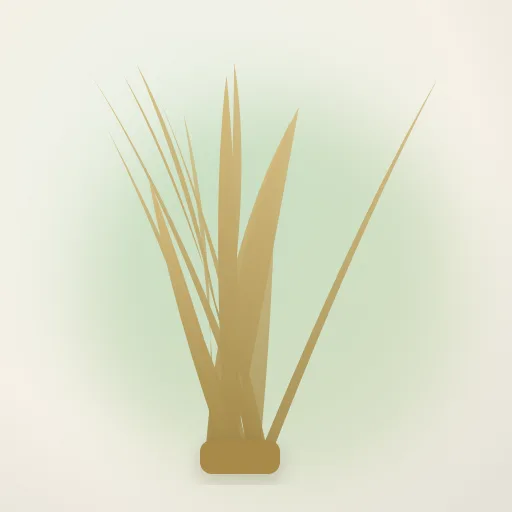
In short
Hay absolute is extracted from dried hay, a mixture of meadow grasses and herbs. Its coumarin content gives a sweet, herbaceous hay odour with a tobacco-like warmth.
What Hay Absolute smells like
Hay absolute is sweet and coumarin-driven. Eden Botanicals describes it as powerful and extremely sweet, with a rich coumarin character, a faint herbaceous quality and a jam-like fig note, diffusive and very tenacious; Fraterworks a warm, sweet herbaceous scent with honey-tobacco undertones. Glossaries add dried fruit, a faint tobacco leaf and a cocoa-like undertone. Arctander, quoted by a supplier, recommends it wherever a truly herbaceous-sweet undertone is needed. Sources disagree on the grass species used.
- Leading note
- Sweet herbaceous hay
- Clear facets
- Coumarin
- Supporting facets
- Fig jam, honey-tobacco
- Faint facets
- Cocoa
- Character
- Sweet, warm, diffusive, tenacious
What makes Hay Absolute distinctive
The hayfield rather than the bean: coumarin's sweetness inside a herbaceous, fig-and-honey grassiness.
Concentration and dilution
Powerful at strength; sweet-herbaceous in dilution.
Where the descriptions disagree: Sources name different source grasses.
How Hay Absolute is used
Used in fougère, lavender, chypre, tobacco and oriental compositions for a herbaceous-sweet undertone.
Typical role: modifier (used in small amounts to change the character of a blend).
How Hay Absolute differs from similar materials
- Coumarin
- Coumarin is the hay note alone; hay absolute adds herbaceous, fig-jam, honey and tobacco notes.
- Tonka Bean Absolute
- Tonka is richer, with caramel, almond and prune; hay absolute is more herbaceous, with fig and honey.
- Lavender Absolute
- Lavender absolute is herbaceous-floral with its own coumarin; hay absolute is the sweeter, grassier coumarin note, used beside it in fougères.
- Helichrysum Oil
- Helichrysum is spicier, with a curry note; hay absolute is a sweet coumarin-hay with fig and honey.
- German Chamomile Oil
- German chamomile is herbaceous and medicinal, with a hay facet; hay absolute is a sweet coumarin-hay.
Each difference compares the published descriptions of the two materials. Smell varies with grade, supplier and dilution; compare them side by side on blotters before substituting one for another.
Formulation considerations
Composition varies with the grasses used; check the coumarin content for IFRA and allergen purposes.
Identity and classification
- Type
- Absolute
- Origin
- Natural
- Odour family
- Green / Gourmand
- Note position
- Heart to base note
- Physical form at room temperature
- Viscous liquid
No CAS number is shown: suppliers use different identifiers for this material, and none could be confirmed as its own.
Safety and compliance
This page is general information, not a safety assessment or a specification. Confirm identity, composition, IFRA status and allergen content from your supplier's documents for the lot you hold.
Materials it works with
-
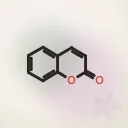 Coumarin
Aroma chemical · Powdery / Fougère — hay, sweet, almond, tobacco
-
 Tobacco Absolute
Absolute · Leather / Gourmand — tobacco, honey, hay, leathery
-
 Lavender Oil
Essential oil · Aromatic / Floral — lavender, herbal, floral, fresh
-
 Tonka Bean Absolute
Absolute · Gourmand / Powdery — coumarinic, hay, almond, sweet
Hay Absolute is also suggested as a partner on the pages for Beeswax Absolute, Bran Absolute, Dimethyl Hydroquinone, Immortelle Absolute, Liatris Absolute and Mate Absolute.
Used in formulas and accords
Used in 13 published formulas
Hay Absolute is an ingredient in 11 perfume formulas and 2 accords in the Formula & Accord Library.
Community formulas
RUŌOD House Originals
Original compositions by RUŌOD House.
Further reading
Questions about Hay Absolute
Is Hay Absolute natural or synthetic?
Hay Absolute is natural. It is a concentrated extract obtained from plant material with a solvent, then washed with ethanol to remove the waxes.
Which published formulas use Hay Absolute?
Hay Absolute is used in 13 published formulas in the RUŌOD Lab Formula & Accord Library, including Black Saddle, Bracken Moon and Cured Leaf. Each is listed with a link under "Used in formulas and accords" on this page.
Sources
- Eden Botanicals — Hay absolute — distributor's description.
- Fraterworks — hay signature absolute — distributor's description.
- Premiere Peau — Hay absolute — published perfumery reference.
- Olfactory profile: the RUŌOD Lab team's synthesis of the published descriptions above, reviewed 21 October 2026. Evidence: more than one published description. Classification and the short description: revision 1. Descriptions of odour are judgement, not measurement.