

In short
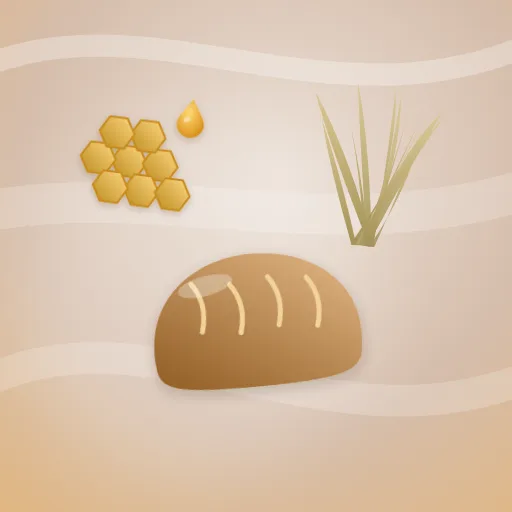
Bran absolute is extracted with solvent from wheat bran and purified with ethanol. It is a cereal, bready material with honey, hay and dried-fruit notes.
What Bran Absolute smells like
IFF describes bran absolute, made by solvent extraction of wheat bran and purification with ethanol, as a cereal note with dried-fruit character, hay, apricot and honey. dsm-firmenich's Bran Wheat Soft absolute recalls biscuits, hay and honey with a long-lasting sweet, fruity facet. Parchem lists cereal, grain, molasses, honey, hay and tobacco, odour type bready; Robertet places its bran absolute among ambery-vanillic materials.
- Leading note
- Cereal
- Clear facets
- Honey, hay
- Supporting facets
- Dried fruit, tobacco
- Character
- Warm, toasted
What makes Bran Absolute distinctive
A grain natural: biscuit and bran rather than flower or resin.
Where the descriptions disagree: IFF and dsm-firmenich frame it as gourmand (cereal, honey, biscuit); Robertet as ambery-vanillic.
How Bran Absolute is used
Used in gourmand, tobacco and ambery accords for a toasted-grain, honeyed warmth.
Typical role: modifier (used in small amounts to change the character of a blend).
How Bran Absolute differs from similar materials
- Beeswax Absolute
- Beeswax absolute is a honeyed wax that rounds and fixes; bran absolute is a grain note, biscuit and bran.
- Mate Absolute
- Mate absolute is dried, roasted tea with hay and tobacco; bran is cereal and biscuit, sweeter and bready.
Each difference compares the published descriptions of the two materials. Smell varies with grade, supplier and dilution; compare them side by side on blotters before substituting one for another.
Identity and classification
- Type
- Absolute
- Origin
- Natural
- Odour family
- Gourmand / Amber
- Note position
- Base note
- Physical form at room temperature
- Semi-solid
- Also known as
- Wheat bran absolute
- Botanical source
- Triticum aestivum L.
- CAS number
- 68916-76-7
The CAS number was checked on 24 October 2026 against a PubChem substance record that gives it for this material. A natural material is a mixture, so it has no single formula; its composition varies with origin and processing.
Safety and compliance
No safety data sheet or hazard classification for bran absolute was found published: PubChem holds no EU GHS notification for it, and The Good Scents Company lists none. That is an absence of published data, not evidence that it is safe; the sheets published for wheat bran itself concern food-grade bran and its dust, not a solvent extract; ask the maker for the safety data sheet of the lot you hold.
This page is general information, not a safety assessment or a specification. Confirm identity, composition, IFRA status and allergen content from your supplier's documents for the lot you hold.
Materials it works with
-

 Hay Absolute
Absolute · Green / Gourmand — hay, coumarinic, tobacco, herbal
-
 Tobacco Absolute
Absolute · Leather / Gourmand — tobacco, honey, hay, leathery
-

 Vanillin
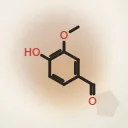
Aroma chemical · Gourmand / Amber — vanilla, sweet, creamy
Used in formulas and accords
Used in 9 published formulas
Bran Absolute is an ingredient in 5 perfume formulas and 4 accords in the Formula & Accord Library.
Community formulas
RUŌOD House Originals
Original compositions by RUŌOD House.
Further reading
Questions about Bran Absolute
Is Bran Absolute natural or synthetic?
Bran Absolute is natural. It is a concentrated extract obtained from plant material with a solvent, then washed with ethanol to remove the waxes.
What is the CAS number of Bran Absolute?
68916-76-7, the registry number for the absolute as a substance rather than a single molecule. It was checked against PubChem on 24 October 2026.
Which published formulas use Bran Absolute?
Bran Absolute is used in 9 published formulas in the RUŌOD Lab Formula & Accord Library, including Banana Bread, Champagne Static and Cookies & Cream Accord. Each is listed with a link under "Used in formulas and accords" on this page.
Sources
- PubChem — substance 135314482, checked 24 October 2026.
- IFF — Bran absolute — manufacturer's description.
- dsm-firmenich — Bran Wheat Soft absolute — manufacturer's description.
- Parchem — bran absolute — distributor's description.
- Olfactory profile: the RUŌOD Lab team's synthesis of the published descriptions above, reviewed 26 October 2026. Evidence: more than one published description. Classification and the short description: revision 1. Descriptions of odour are judgement, not measurement.