
In short
Methyl Pamplemousse is a synthetic acetal with a fresh grapefruit-peel character. It is used to give grapefruit and citrus accords a juicy, long-lasting freshness.
What Methyl Pamplemousse smells like
Methyl Pamplemousse (Givaudan; grapefruit acetal) is the mainstream synthetic grapefruit material. A distributor describes it as valued mainly for its distinctive bitter grapefruit scent, with warm citrus aspects reminiscent of citral and lemongrass; users describe a green, juicy grapefruit with a little tartness or sourness. It is a top note and fairly weak, though recognisable at low levels. Symrise sells the same molecule as Amarocit. Fraterworks, also calling it grapefruit acetal, describes a fresh, citrus character of grapefruit peel with a defining bitterness, used mainly as a top note in colognes and as a booster in vetiver accords, and blending outstandingly with dihydromyrcenol and blackcurrant bases.
- Leading note
- Bitter grapefruit
- Clear facets
- Green
- Supporting facets
- Juicy, lemongrass-citral warmth
- Faint facets
- Sour
- Character
- Fresh, tart, juicy, light
What makes Methyl Pamplemousse distinctive
A green, slightly sour grapefruit top — fresher and juicier than nootkatone's bitter wood, and without the sulphur of grapefruit mercaptan.
Concentration and dilution
Fraterworks lists 10% as a common dilution.
How Methyl Pamplemousse is used
Used as a grapefruit top note in fresh and citrus compositions.
Typical role: modifier (used in small amounts to change the character of a blend); lift (adds diffusion and radiance, especially at the top).
How Methyl Pamplemousse differs from similar materials
- Nootkatone
- Nootkatone is bitter, woody and long-lasting; Methyl Pamplemousse is a green, juicy, slightly sour top note.
- Grapefruit Oil (Expressed)
- The oil is fuller, with nootkatone's bitterness and a sulphurous juiciness; Methyl Pamplemousse is a simpler, greener grapefruit top.
Each difference compares the published descriptions of the two materials. Smell varies with grade, supplier and dilution; compare them side by side on blotters before substituting one for another.
Formulation considerations
Acetals are more stable than the corresponding aldehydes in many bases but can hydrolyse in acidic media.
Identity and classification
- Type
- Aroma chemical
- Origin
- Synthetic
- Odour family
- Citrus / Green
- Note position
- Top note
- Physical form at room temperature
- Liquid
- Also known as
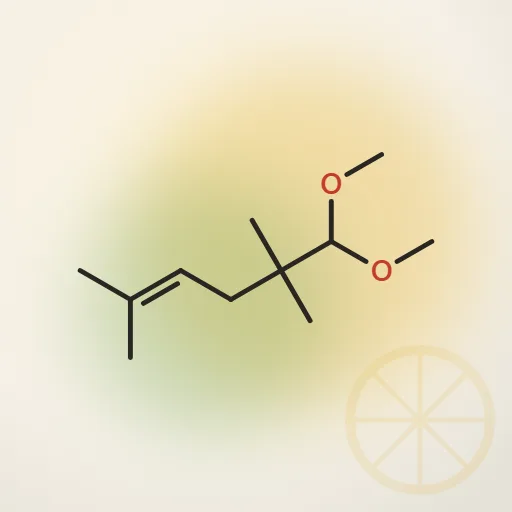
- 1,1-Dimethoxy-2,2,5-trimethyl-4-hexene
- CAS number
- 67674-46-8
- Molecular formula
- C11H22O2
- Molecular weight
- 186.29 g/mol
- IUPAC name
- 6,6-dimethoxy-2,5,5-trimethylhex-2-ene
The CAS number, formula and molecular weight are taken from PubChem compound 106766, whose own record lists this CAS number; checked 19 October 2026.
Safety and compliance
Hazard classification of the neat substance, as PubChem summarises it, read 26 October 2026. Companies notifying the ECHA C&L Inventory classify it (1,932 reports): H315 causes skin irritation (100% of reports); H319 causes serious eye irritation (91.1% of reports). Unless it is harmonised, this is the notifiers' own classification, not a binding one.
This page is general information, not a safety assessment or a specification. Confirm identity, composition, IFRA status and allergen content from your supplier's documents for the lot you hold.
Materials it works with
-

 Nootkatone
Aroma chemical · Citrus / Woody — grapefruit, woody, citrus, bitter
-

 Grapefruit Oil (Expressed)
Essential oil · Citrus / Fruity — citrus, bitter, juicy, sparkling
-

 Hedione
Aroma chemical · Floral / Citrus — jasmine, transparent, citrus, airy
Methyl Pamplemousse is also suggested as a partner on the pages for Grapefruit Mercaptan and Paradisamide.
Used in formulas and accords
Used in 4 published formulas
Methyl Pamplemousse is an ingredient in 2 perfume formulas and 2 accords in the Formula & Accord Library.
Community formulas
RUŌOD House Originals
Original compositions by RUŌOD House.
Further reading
Questions about Methyl Pamplemousse
Is Methyl Pamplemousse natural or synthetic?
Methyl Pamplemousse is synthetic — it is made by chemical synthesis.
What is the CAS number of Methyl Pamplemousse?
67674-46-8. It was checked against PubChem on 19 October 2026.
Which published formulas use Methyl Pamplemousse?
Methyl Pamplemousse is used in 4 published formulas in the RUŌOD Lab Formula & Accord Library, including Aperol Spritz Accord, Dragon Fruit Accord and Pith & Pepper. Each is listed with a link under "Used in formulas and accords" on this page.
Sources
- PubChem — compound 106766, checked 19 October 2026.
- PubChem — GHS classification (the ECHA C&L Inventory notifications and any harmonised EU entry), read 26 October 2026.
- De Hekserij — Methyl Pamplemousse (Givaudan) — distributor's description.
- The Fragrance Foundry — Methyl Pamplemousse (Givaudan) — distributor's description.
- Basenotes — Methyl Pamplemousse grapefruit note review (forum) — published perfumery reference.
- Fraterworks — Methyl Pamplemousse — distributor's description.
- Olfactory profile: the RUŌOD Lab team's synthesis of the published descriptions above, reviewed 26 October 2026. Evidence: more than one published description. Classification and the short description: revision 2. Descriptions of odour are judgement, not measurement.