
In short
Styrax (storax) resinoid comes from the balsam of Liquidambar trees. It gives a balsamic, leathery and slightly floral-cinnamic note.
What Styrax Resinoid smells like
Styrax resinoid is balsamic with a leathery heart. Suppliers describe a smoky, leathery character developing over hours, a spicy balsamic scent with green floral, lilac-like aspects used in lilac, hyacinth and daffodil accords, and a sweet balsamic, slightly grassy fixative. Fraterworks says most extracts on the market carry a pronounced styrene note, like polystyrene plastic, which it considers atypical of genuine styrax; some pyrogenised grades are sold as intensely leathery and smoky.
- Leading note
- Leathery balsam
- Supporting facets
- Lilac, hyacinth, smoky, cinnamic
- Faint facets
- Styrene, plastic
- Character
- Dark, warm, smoky, tenacious
What makes Styrax Resinoid distinctive
A balsam with a leather jacket and a lilac in its lapel: smoky-leathery depth with a green floral side.
Where the descriptions disagree: Fraterworks considers the styrene note atypical of genuine styrax; other vendors present a smoky, phenolic character as intended.
How Styrax Resinoid is used
Used as a fixative in leather, amber and oriental compositions and in lilac, hyacinth and narcissus accords.
Typical role: fixative (slow to evaporate; helps a blend last and holds lighter notes); modifier (used in small amounts to change the character of a blend).
How Styrax Resinoid differs from similar materials
- Cinnamyl Cinnamate
- Cinnamyl cinnamate, one of its main constituents, is nearly odourless alone; the resinoid is leathery, smoky and floral. (compared directly by a cited source)
- Labdanum Absolute
- Labdanum is an ambery, animalic leather; styrax is a smokier, cinnamic leather with a lilac-hyacinth side.
- Cinnamyl Alcohol
- Cinnamyl alcohol is the soft hyacinth-balsamic note found in storax; the resinoid is darker, leathery and smoky.
- Poplar Bud Absolute
- Fraterworks notes that poplar bud absolute can be used like styrax but in far greater amounts; poplar bud is the honeyed, fruity resin, styrax the smokier, leathery one. (compared directly by a cited source)
An asterisk marks a difference that a cited source states directly. The others compare the published descriptions of each material. Smell varies with grade, supplier and dilution; compare them side by side on blotters before substituting one for another.
Formulation considerations
Covered by an IFRA Standard.
Identity and classification
- Type
- Resinoid
- Origin
- Natural
- Odour family
- Amber / Leather
- Note position
- Base note
- Physical form at room temperature
- Viscous liquid
- Also known as
- Storax
- Botanical source
- Liquidambar orientalis Mill. / Liquidambar styraciflua L.
- CAS number
- 8046-19-3
The CAS number was checked on 19 October 2026 against a PubChem substance record that gives it for this material. A natural material is a mixture, so it has no single formula; its composition varies with origin and processing.
Safety and compliance
The IFRA Standards Library lists a Standard covering Styrax Resinoid:
- "Styrax" — Restriction, 49th Amendment, published 2020-01
Limits differ by product category and are set out in the Standard itself; this page does not reproduce them. The list above reflects the library as read on 19 October 2026.
This page is general information, not a safety assessment or a specification. Confirm identity, composition, IFRA status and allergen content from your supplier's documents for the lot you hold.
Materials it works with
-
 Labdanum Absolute
Absolute · Amber / Leather — amber, balsamic, leathery, animalic
-
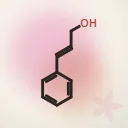 Cinnamyl Alcohol
Aroma chemical · Floral / Spicy — balsamic, floral, hyacinth, sweet
-
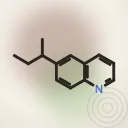 Isobutyl Quinoline
Aroma chemical · Leather / Green — leathery, earthy, green, smoky
Styrax Resinoid is also suggested as a partner on the pages for Cinnamyl Cinnamate, Ethyl Cinnamate, Phenylpropyl Alcohol and Poplar Bud Absolute.
Used in formulas and accords
Used in 13 published formulas
Styrax Resinoid is an ingredient in 11 perfume formulas and 2 accords in the Formula & Accord Library.
Community formulas
RUŌOD House Originals
Original compositions by RUŌOD House.
Further reading
Questions about Styrax Resinoid
Is Styrax Resinoid natural or synthetic?
Styrax Resinoid is natural. It is a solvent extract of a natural resin, balsam or gum.
What is the CAS number of Styrax Resinoid?
8046-19-3, the registry number for the resinoid as a substance rather than a single molecule. It was checked against PubChem on 19 October 2026.
Which published formulas use Styrax Resinoid?
Styrax Resinoid is used in 13 published formulas in the RUŌOD Lab Formula & Accord Library, including 1882 Naturals, Agar Lantern and Asphalt Peony. Each is listed with a link under "Used in formulas and accords" on this page.
Is Styrax Resinoid covered by an IFRA Standard?
Yes. The IFRA Standards Library lists a Standard covering it: "Styrax" — Restriction, 49th Amendment. The limits depend on the product category; read the Standard itself before formulating.
Sources
- PubChem — substance 17388723, checked 19 October 2026.
- IFRA — Standards Library, read 19 October 2026.
- Fraterworks — styrax resin absolute — distributor's description.
- De Hekserij — Styrax resinoid LS — distributor's description.
- Wikipedia — Storax balsam — published perfumery reference.
- The Good Scents Company — styrax resinoid — odour database.
- Olfactory profile: the RUŌOD Lab team's synthesis of the published descriptions above, reviewed 26 October 2026. Evidence: more than one published description. Classification and the short description: revision 1. Descriptions of odour are judgement, not measurement.