
In short
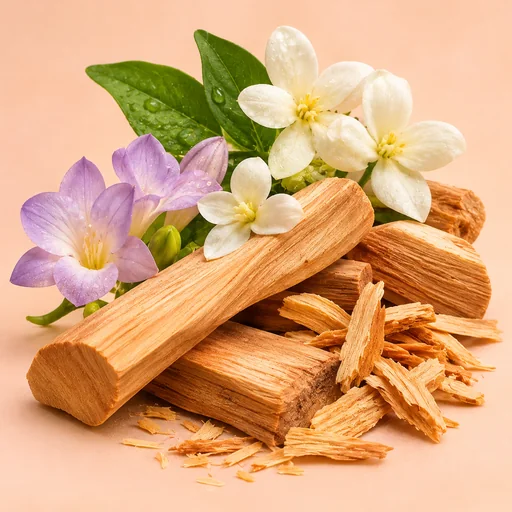
Osyrol is a light sandalwood aroma chemical, 7-methoxy-3,7-dimethyloctan-2-ol, sweet and clean with floral nuances. It is versatile enough to be used in high proportions as a canvas.
What Osyrol smells like
Fraterworks describes Osyrol as a very light sandalwood chemical, sweet and clean with floral nuances, extremely versatile and usable in very high doses as a canvas, blending well with most of the sandalwood family. The Perflavory compilation lists supplier descriptions of sweet, clean, sandalwood, soapy, floral and woody, and classes it as woody with medium strength.
- Leading note
- Light sweet sandalwood
- Supporting facets
- Floral, soapy, clean
- Character
- Light, sweet, clean, versatile
What makes Osyrol distinctive
A sandalwood to build on rather than to smell: light and clean enough to carry a blend in large amounts.
Where the descriptions disagree: Some supplier listings give a floral facet, others only sandalwood and wood.
How Osyrol is used
Fraterworks reports it with Sandalore and natural sandalwood in classic florientals and as a high-dose canvas in modern florals.
Typical role: blender (smooths the joins between other materials); backbone (used in large proportions as a structural material of an accord).
How Osyrol differs from similar materials
- Sandela
- Sandela is drier, more balsamic and far more tenacious; Osyrol is lighter and sweeter, with floral and soapy nuances.
Each difference compares the published descriptions of the two materials. Smell varies with grade, supplier and dilution; compare them side by side on blotters before substituting one for another.
Identity and classification
- Type
- Aroma chemical
- Origin
- Synthetic
- Odour family
- Woody / Floral
- Note position
- Base note
- Also known as
- Acsantol, 7-Methoxy-3,7-dimethyloctan-2-ol
- CAS number
- 41890-92-0
- Molecular formula
- C11H24O2
- Molecular weight
- 188.31 g/mol
- IUPAC name
- 7-methoxy-3,7-dimethyloctan-2-ol
The CAS number, formula and molecular weight are taken from PubChem compound 162053, whose own record lists this CAS number; checked 7 November 2026.
Safety and compliance
Hazard classification of the neat substance, as PubChem summarises it, read 7 November 2026. Companies notifying the ECHA C&L Inventory report it as not meeting the GHS hazard criteria (1,573 of 1,586 reports). Unless it is harmonised, this is the notifiers' own classification, not a binding one.
This page is general information, not a safety assessment or a specification. Confirm identity, composition, IFRA status and allergen content from your supplier's documents for the lot you hold.
Materials it works with
-

 Sandalore
Aroma chemical · Woody / Musky — sandalwood, warm, soft, woody
-
 Sandela
Aroma chemical · Woody / Resinous — sandalwood, woody, balsamic, creamy
-

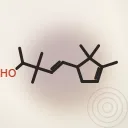 Polysantol
Aroma chemical · Woody / Musky — sandalwood, creamy, milky, woody
-
 Sandalwood Oil (Santalum album)
Essential oil · Woody / Musky — woody, creamy, milky, sweet
-

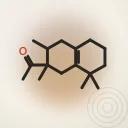 Iso E Super
Aroma chemical · Woody / Amber — woody, velvety, amber, cedar
-

 Hedione
Aroma chemical · Floral / Citrus — jasmine, transparent, citrus, airy
Used in formulas and accords
Not currently used in any published formula.
The Formula & Accord Library lists Osyrol here as soon as a published formula, accord or base uses it.
Further reading
Questions about Osyrol
Is Osyrol natural or synthetic?
Osyrol is synthetic — it is made by chemical synthesis.
What is the CAS number of Osyrol?
41890-92-0. It was checked against PubChem on 7 November 2026.
Sources
- PubChem — compound 162053, checked 7 November 2026.
- PubChem — GHS classification (the ECHA C&L Inventory notifications and any harmonised EU entry), read 7 November 2026.
- Fraterworks — Osyrol — distributor's description.
- Perflavory — 7-methoxy-3,7-dimethyl-2-octanol (supplier descriptions) — odour database.
- PubChem — 3,7-Dimethyl-7-methoxyoctan-2-ol (CID 162053) — odour database.
- Olfactory profile: the RUŌOD Lab team's synthesis of the published descriptions above, reviewed 7 November 2026. Evidence: more than one published description. Classification and the short description: revision 1. Descriptions of odour are judgement, not measurement.