

In short
Aldehyde C-11 MOA is 2-methyldecanal, a branched C-11 aldehyde with an explosive citrus-peel freshness, a waxy tangerine body and a clean, watery drydown. It is a modern fresh aldehyde for citrus and marine accords.
What Aldehyde C-11 MOA smells like
Fraterworks describes Aldehyde C-11 MOA as explosive citrus-peel zest, radiant and immediately diffusive, with a waxy tangerine warmth underneath and a clean, watery, almost marine drydown, entirely synthetic and modern. ChemicalBook lists a powerful, fresh, dry, citrus, waxy, watery odour, and Parchem a waxy, orange-peel citrus with a fresh metallic nuance. Fraterworks distinguishes it from the waxier, more rosy-soapy undecylenic aldehyde.
- Leading note
- Citrus-peel aldehyde
- Supporting facets
- Tangerine, waxy, watery
- Faint facets
- Metallic
- Character
- Diffusive, radiant, fresh, modern
What makes Aldehyde C-11 MOA distinctive
An aldehyde that reads fresh rather than soapy: peel and water where the classic C-11s are wax and soap.
How Aldehyde C-11 MOA is used
Fraterworks uses it with dihydromyrcenol and calone for aquatic work, with bergamot and vetiver for modern masculine citrus, with Hedione and linalool in white florals, and in laundry accords.
Typical role: lift (adds diffusion and radiance, especially at the top).
How Aldehyde C-11 MOA differs from similar materials
- Aldehyde C-11 Undecylenic (10-Undecenal)
- Fraterworks contrasts the two C-11s: undecylenic aldehyde is waxier and fattier, rosy-citrus and soapy-green; MOA is zesty, citrus-peel bright and watery-marine. (compared directly by a cited source)
- Aldehyde C-12 MNA
- Aldehyde C-12 MNA is the ambery, waxy, pine-tinged branched aldehyde of classic aldehydic florals; C-11 MOA is fresher, more citrus-peel and watery.
An asterisk marks a difference that a cited source states directly. The others compare the published descriptions of each material. Smell varies with grade, supplier and dilution; compare them side by side on blotters before substituting one for another.
Formulation considerations
Very strong; evaluate it well diluted.
Identity and classification
- Type
- Aroma chemical
- Origin
- Synthetic
- Odour family
- Aldehydic / Citrus
- Note position
- Top note
- Physical form at room temperature
- Liquid
- Also known as
- 2-Methyldecanal, Methyl octyl acetaldehyde
- CAS number
- 19009-56-4
- Molecular formula
- C11H22O
- Molecular weight
- 170.29 g/mol
- IUPAC name
- 2-methyldecanal
The CAS number, formula and molecular weight are taken from PubChem compound 29381, whose own record lists this CAS number; checked 7 November 2026.
Safety and compliance
Hazard classification of the neat substance, as PubChem summarises it, read 7 November 2026. Companies notifying the ECHA C&L Inventory report it as not meeting the GHS hazard criteria (1,542 of 1,603 reports). Unless it is harmonised, this is the notifiers' own classification, not a binding one.
This page is general information, not a safety assessment or a specification. Confirm identity, composition, IFRA status and allergen content from your supplier's documents for the lot you hold.
Materials it works with
-

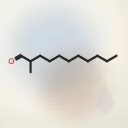 Aldehyde C-12 MNA
Aroma chemical · Aldehydic / Woody — aldehydic, resinous, ambergris, incense
-

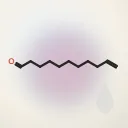 Aldehyde C-11 Undecylenic (10-Undecenal)
Aroma chemical · Aldehydic / Floral — aldehydic, waxy, clean, ozonic
-

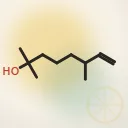 Dihydromyrcenol
Aroma chemical · Citrus / Aromatic — citrus, lime, fresh, clean
-

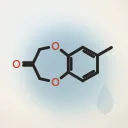 Calone
Aroma chemical · Aquatic / Metallic — marine, watermelon, ozonic, watery
-

 Bergamot Oil (Expressed)
Essential oil · Citrus / Aromatic — citrus, zesty, floral, tea-like
-

 Hedione
Aroma chemical · Floral / Citrus — jasmine, transparent, citrus, airy
Used in formulas and accords
Not currently used in any published formula.
The Formula & Accord Library lists Aldehyde C-11 MOA here as soon as a published formula, accord or base uses it.
Further reading
Questions about Aldehyde C-11 MOA
Is Aldehyde C-11 MOA natural or synthetic?
Aldehyde C-11 MOA is synthetic — it is made by chemical synthesis.
What is the CAS number of Aldehyde C-11 MOA?
19009-56-4. It was checked against PubChem on 7 November 2026.
Sources
- PubChem — compound 29381, checked 7 November 2026.
- PubChem — GHS classification (the ECHA C&L Inventory notifications and any harmonised EU entry), read 7 November 2026.
- Fraterworks — Aldehyde C-11 MOA — distributor's description.
- ChemicalBook — 2-Methyldecanal — odour database.
- Parchem — 2-Methyldecanal — distributor's description.
- PubChem — 2-Methyldecanal (CID 29381) — odour database.
- Olfactory profile: the RUŌOD Lab team's synthesis of the published descriptions above, reviewed 7 November 2026. Evidence: more than one published description. Classification and the short description: revision 1. Descriptions of odour are judgement, not measurement.