
In short
Isobornyl acetate is an ester with a fresh pine-needle note. It is used for conifer and fresh accords.
What Isobornyl Acetate smells like
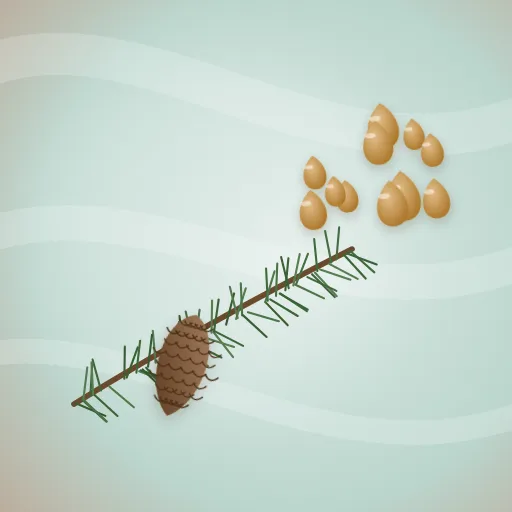
Isobornyl acetate is a colourless liquid with a camphor-like scent reminiscent of pine needles and hemlock, and a fresh, burning taste, in chemical references; a flavour and fragrance profile lists camphoraceous, woody, sweet, citrus and herbal with soapy nuances at 1%. A glossary describes it as clean, piney-camphoraceous with a dry, balsamic freshness. It is used mainly in pine-needle accords and as an intermediate in making camphor.
- Leading note
- Camphoraceous pine needle
- Supporting facets
- Balsamic, dry, woody
- Faint facets
- Soapy
- Character
- Clean, fresh, dry
What makes Isobornyl Acetate distinctive
The clean, soapy pine of household products: camphor and pine needle, dry and fresh.
How Isobornyl Acetate is used
Used in pine-needle accords, soaps and functional products, and as an intermediate in camphor production.
Typical role: backbone (used in large proportions as a structural material of an accord).
How Isobornyl Acetate differs from similar materials
- Bornyl Acetate
- Bornyl acetate is sweeter and more balsamic; isobornyl acetate is more camphor-like and clean.
- Nopyl Acetate
- Nopyl acetate is a sweet woody-fruity ester; isobornyl acetate is a clean, camphoraceous pine.
Each difference compares the published descriptions of the two materials. Smell varies with grade, supplier and dilution; compare them side by side on blotters before substituting one for another.
Formulation considerations
Inexpensive and stable.
Identity and classification
- Type
- Aroma chemical
- Origin
- Synthetic
- Odour family
- Aromatic / Woody
- Note position
- Top note
- Physical form at room temperature
- Liquid
- CAS number
- 125-12-2
- Molecular formula
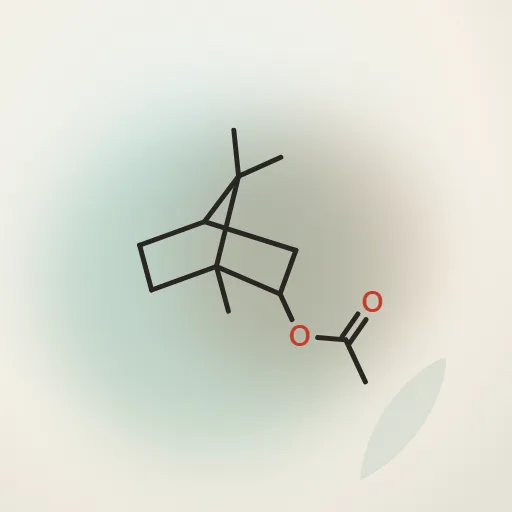
- C12H20O2
- Molecular weight
- 196.29 g/mol
- IUPAC name
- [(1R,2R,4R)-1,7,7-trimethyl-2-bicyclo[2.2.1]heptanyl] acetate
The CAS number, formula and molecular weight are taken from PubChem compound 637531, whose own record lists this CAS number; checked 19 October 2026.
Safety and compliance
Hazard classification of the neat substance, as PubChem summarises it, read 26 October 2026. Companies notifying the ECHA C&L Inventory report it as not meeting the GHS hazard criteria (1,857 of 1,887 reports). Unless it is harmonised, this is the notifiers' own classification, not a binding one.
This page is general information, not a safety assessment or a specification. Confirm identity, composition, IFRA status and allergen content from your supplier's documents for the lot you hold.
Materials it works with
-

 Siberian Fir Needle Oil
Essential oil · Aromatic / Woody — fir, balsamic, sweet, fresh
-

 Scots Pine Needle Oil
Essential oil · Aromatic / Woody — pine, resinous, fresh, balsamic
-
 Juniper Berry Oil
Essential oil · Aromatic / Woody — gin, peppery, resinous, fresh
-
 Bornyl Acetate
Aroma chemical · Aromatic / Woody — pine, balsamic, camphoraceous, sweet
Isobornyl Acetate is also suggested as a partner on the pages for Fenchyl Acetate and Nopyl Acetate.
Used in formulas and accords
Used in 7 published formulas
Isobornyl Acetate is an ingredient in 5 perfume formulas, 1 accord and 1 base in the Formula & Accord Library.
Community formulas
RUŌOD House Originals
Original compositions by RUŌOD House.
Further reading
Questions about Isobornyl Acetate
Is Isobornyl Acetate natural or synthetic?
Isobornyl Acetate is synthetic — it is made by chemical synthesis.
What is the CAS number of Isobornyl Acetate?
125-12-2. It was checked against PubChem on 19 October 2026.
Which published formulas use Isobornyl Acetate?
Isobornyl Acetate is used in 7 published formulas in the RUŌOD Lab Formula & Accord Library, including Cannabis Base, Cypress Bathhouse and Frost Herb Accord. Each is listed with a link under "Used in formulas and accords" on this page.
Sources
- PubChem — compound 637531, checked 19 October 2026.
- PubChem — GHS classification (the ECHA C&L Inventory notifications and any harmonised EU entry), read 26 October 2026.
- ChemicalBook — isobornyl acetate (CAS 125-12-2) — odour database.
- The Good Scents Company — isobornyl acetate — odour database.
- Premiere Peau — Isobornyl acetate — published perfumery reference.
- Olfactory profile: the RUŌOD Lab team's synthesis of the published descriptions above, reviewed 21 October 2026. Evidence: more than one published description. Classification and the short description: revision 1. Descriptions of odour are judgement, not measurement.