

In short
Ethyl linalyl acetate is the acetate of ethyl linalool, a softer, more floral bergamot note than linalyl acetate. It is less lavender-like and far more tenacious, lasting about sixteen hours on a blotter.
What Ethyl Linalyl Acetate smells like
Givaudan describes ethyl linalyl acetate as softer, more floral, more bergamot and less lavender than linalyl acetate, with an elegant, refreshing effect in floral bouquets, and gives it sixteen hours on a blotter. Fraterworks finds brilliant bergamot softened by fresh pear and tropical fruit, rounder than linalyl acetate and with a petitgrain refinement. Arctander, quoted by Fraterworks, notes that with ethyl linalool it forms a bergamot-type background more stable than bergamot oil itself.
- Leading note
- Soft floral bergamot
- Supporting facets
- Pear, petitgrain
- Faint facets
- Tropical fruit, lavender
- Character
- Soft, smooth, tenacious
What makes Ethyl Linalyl Acetate distinctive
A bergamot that stays: the freshness of linalyl acetate carried into the heart, with the lavender toned down and a floral polish added.
How Ethyl Linalyl Acetate is used
Fraterworks uses it wherever linalyl acetate would serve but more tenacity and a softer profile are wanted, with ambroxan, iso-amyl salicylate, cardamom, cypress, geraniol and patchouli.
Typical role: modifier (used in small amounts to change the character of a blend); blender (smooths the joins between other materials).
How Ethyl Linalyl Acetate differs from similar materials
- Linalyl Propionate
- Linalyl propionate is a short-lived, pear-sweet lavender-bergamot; ethyl linalyl acetate is more floral, less lavender, and lasts many hours longer.
Each difference compares the published descriptions of the two materials. Smell varies with grade, supplier and dilution; compare them side by side on blotters before substituting one for another.
Formulation considerations
Works as linalyl acetate does, but lasts much longer: account for it in the heart, not only the top.
Identity and classification
- Type
- Aroma chemical
- Origin
- Synthetic
- Odour family
- Citrus / Floral
- Note position
- Top to heart note
- Physical form at room temperature
- Liquid
- Also known as
- 3,7-Dimethylnona-1,6-dien-3-yl acetate
- CAS number
- 61931-80-4
- Molecular formula
- C13H22O2
- Molecular weight
- 210.31 g/mol
- IUPAC name
- 3,7-dimethylnona-1,6-dien-3-yl acetate
The CAS number, formula and molecular weight are taken from PubChem compound 43851, whose own record lists this CAS number; checked 7 November 2026.
Safety and compliance
This page is general information, not a safety assessment or a specification. Confirm identity, composition, IFRA status and allergen content from your supplier's documents for the lot you hold.
Materials it works with
-

 Bergamot Oil (Expressed)
Essential oil · Citrus / Aromatic — citrus, zesty, floral, tea-like
-

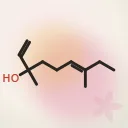 Ethyl Linalool
Aroma chemical · Floral / Citrus — floral, fresh, bergamot, clean
-

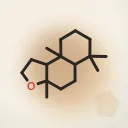 Ambroxan
Aroma chemical · Amber / Woody — amber, ambergris, woody, mineral
-

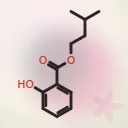 Isoamyl Salicylate
Aroma chemical · Floral / Aromatic — herbal, floral, orchid, clover
-

 Cardamom Oil
Essential oil · Spicy / Aromatic — spicy, aromatic, fresh, eucalyptus
-

 Petitgrain Bigarade Oil
Essential oil · Citrus / Floral — green, citrus, floral, bitter
Used in formulas and accords
Not currently used in any published formula.
The Formula & Accord Library lists Ethyl Linalyl Acetate here as soon as a published formula, accord or base uses it.
Further reading
Questions about Ethyl Linalyl Acetate
Is Ethyl Linalyl Acetate natural or synthetic?
Ethyl Linalyl Acetate is synthetic — it is made by chemical synthesis.
What is the CAS number of Ethyl Linalyl Acetate?
61931-80-4. It was checked against PubChem on 7 November 2026.
Sources
- PubChem — compound 43851, checked 7 November 2026.
- Givaudan — Ethyl Linalyl Acetate — manufacturer's description.
- Fraterworks — Ethyl Linalyl Acetate — distributor's description.
- Fraterworks — Ethyl Linalool (quoting Arctander) — distributor's description.
- The Good Scents Company — ethyl linalyl acetate — odour database.
- Olfactory profile: the RUŌOD Lab team's synthesis of the published descriptions above, reviewed 7 November 2026. Evidence: more than one published description. Classification and the short description: revision 1. Descriptions of odour are judgement, not measurement.