
In short
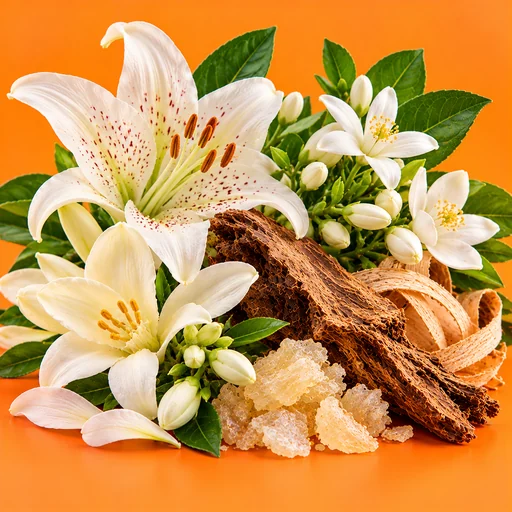
Cyclohexyl salicylate is a salicylate ester with a soft floral-balsamic odour and a musky warmth. It is a tenacious floral blender.
What Cyclohexyl Salicylate smells like
Cyclohexyl salicylate has a strong, sweet, flowery and rich odour — aromatic, floral and balsamic in Kao's description, which adds that it gives more flowery effects when combined with other salicylates. Other suppliers list floral balsam, sweet and green; white flower, green and carnation; and sweet, balsamic and slightly curative. An older patent notes a woody undertone. It is very substantive on skin, hair and fabric.
- Leading note
- Sweet floral-balsamic
- Supporting facets
- White flower, carnation
- Faint facets
- Green, woody
- Character
- Sweet, rich, substantive, soft
What makes Cyclohexyl Salicylate distinctive
A salicylate that actually smells: stronger and richer than benzyl or hexyl salicylate, sweet and floral-balsamic, and very persistent on fabric.
How Cyclohexyl Salicylate is used
Used to add floral richness and persistence, especially in fabric and personal-care fragrance, often alongside other salicylates.
Typical role: blender (smooths the joins between other materials); fixative (slow to evaporate; helps a blend last and holds lighter notes).
How Cyclohexyl Salicylate differs from similar materials
- Benzyl Salicylate
- Benzyl salicylate is faint, valued as a fixative; cyclohexyl salicylate is a strong, rich, sweet floral-balsamic.
Each difference compares the published descriptions of the two materials. Smell varies with grade, supplier and dilution; compare them side by side on blotters before substituting one for another.
Identity and classification
- Type
- Aroma chemical
- Origin
- Synthetic
- Odour family
- Floral / Musky
- Note position
- Base note
- Physical form at room temperature
- Liquid
- CAS number
- 25485-88-5
- Molecular formula
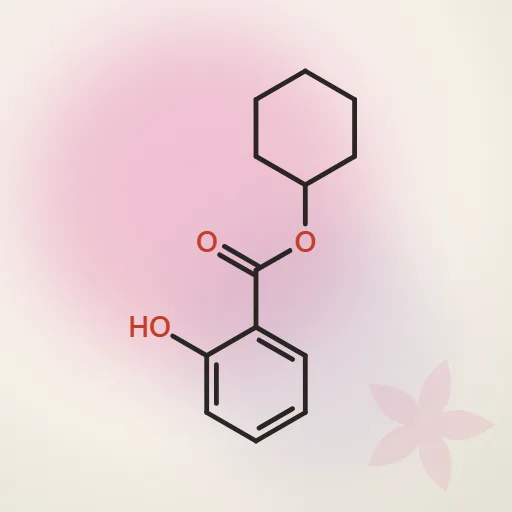
- C13H16O3
- Molecular weight
- 220.26 g/mol
- IUPAC name
- cyclohexyl 2-hydroxybenzoate
The CAS number, formula and molecular weight are taken from PubChem compound 101330, whose own record lists this CAS number; checked 19 October 2026.
Safety and compliance
Hazard classification of the neat substance, as PubChem summarises it, read 26 October 2026. Companies notifying the ECHA C&L Inventory report it as not meeting the GHS hazard criteria (0 of 3,156 reports). Unless it is harmonised, this is the notifiers' own classification, not a binding one.
This page is general information, not a safety assessment or a specification. Confirm identity, composition, IFRA status and allergen content from your supplier's documents for the lot you hold.
Materials it works with
-
 Benzyl Salicylate
Aroma chemical · Floral / Powdery — balsamic, floral, faint, sweet
-

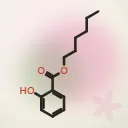 Hexyl Salicylate
Aroma chemical · Floral / Green — green, floral, herbal
-

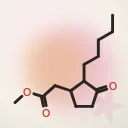 Hedione
Aroma chemical · Floral / Citrus — jasmine, transparent, citrus, airy
-

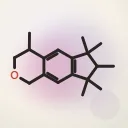 Galaxolide
Aroma chemical · Musky / Floral — musky, clean, sweet, floral
Used in formulas and accords
Used in 30 published formulas
Cyclohexyl Salicylate is an ingredient in 28 perfume formulas and 2 accords in the Formula & Accord Library.
RUŌOD House Originals
Original compositions by RUŌOD House.
Further reading
Questions about Cyclohexyl Salicylate
Is Cyclohexyl Salicylate natural or synthetic?
Cyclohexyl Salicylate is synthetic — it is made by chemical synthesis.
What is the CAS number of Cyclohexyl Salicylate?
25485-88-5. It was checked against PubChem on 19 October 2026.
Which published formulas use Cyclohexyl Salicylate?
Cyclohexyl Salicylate is used in 30 published formulas in the RUŌOD Lab Formula & Accord Library, including Ambrette Halo, Apricot Dust and Bleached Driftwood. Each is listed with a link under "Used in formulas and accords" on this page.
Sources
- PubChem — compound 101330, checked 19 October 2026.
- PubChem — GHS classification (the ECHA C&L Inventory notifications and any harmonised EU entry), read 26 October 2026.
- Kao Chemicals — salicylates catalogue — manufacturer's description.
- The Good Scents Company — cyclohexyl salicylate (with Symrise and Moellhausen descriptions) — odour database.
- Olfactory profile: the RUŌOD Lab team's synthesis of the published descriptions above, reviewed 20 October 2026. Evidence: more than one published description. Classification and the short description: revision 1. Descriptions of odour are judgement, not measurement.