

In short
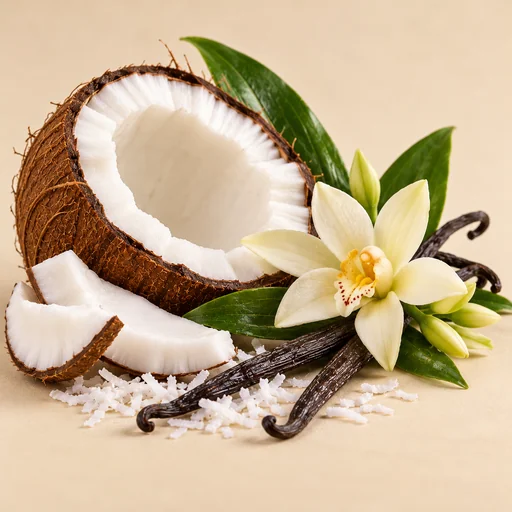
Caprylic/capric triglyceride, often sold as fractionated coconut oil or MCT oil, is a light, odourless oil used as a carrier for oil-based perfumes.
What Caprylic/Capric Triglyceride smells like
Caprylic/capric triglyceride (often sold as MCT oil) is a lightweight emollient, solvent and texture enhancer, described as very stable, resistant to oxidation and unlikely to go rancid. Supplier data sheets describe it as colourless and odourless or of faint odour: MakingCosmetics gives no or faint odour, and De Hekserij's specification includes deodorising in its production.
- Leading note
- No single note leads in the published descriptions
- Character
- Oily, stable
What makes Caprylic/Capric Triglyceride distinctive
A stable, light oil carrier for perfume oils, chosen for not going rancid rather than for any smell.
How Caprylic/Capric Triglyceride is used
Used as a light, stable carrier for perfume oils and in cosmetic and skin-care products.
Typical role: solvent (dilutes or carries other materials).
How Caprylic/Capric Triglyceride differs from similar materials
- Isopropyl Myristate
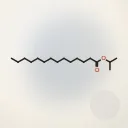
- Isopropyl myristate is another light emollient carrier; caprylic/capric triglyceride is noted for its resistance to oxidation.
- Hercolyn D
- Hercolyn D is extremely viscous and a fixative; the triglyceride is a light, mobile carrier.
- Tamanu Oil
- Tamanu oil is a heavy carrier with its own nutty, resinous smell; the triglyceride is light and nearly odourless.
Each difference compares the published descriptions of the two materials. Smell varies with grade, supplier and dilution; compare them side by side on blotters before substituting one for another.
Formulation considerations
Does not mix with ethanol-water bases; it is for oil-based products.
Identity and classification
- Type
- Solvent or carrier
- Origin
- Natural
- Odour family
- No odour family
- Note position
- Base note
- Physical form at room temperature
- Liquid
- Also known as
- Fractionated coconut oil (MCT)
- CAS number
- 73398-61-5
The CAS number was checked on 19 October 2026 against a PubChem substance record that gives it for this material. A natural material is a mixture, so it has no single formula; its composition varies with origin and processing.
Safety and compliance
This page is general information, not a safety assessment or a specification. Confirm identity, composition, IFRA status and allergen content from your supplier's documents for the lot you hold.
Materials it works with
-

 Isopropyl Myristate
Solvent or carrier · No odour family — odourless, oily
-
 Dipropylene Glycol (DPG)
Solvent or carrier · No odour family — odourless
Caprylic/Capric Triglyceride is also suggested as a partner on the pages for Tamanu Oil.
Used in formulas and accords
Not currently used in any published formula.
The Formula & Accord Library lists Caprylic/Capric Triglyceride here as soon as a published formula, accord or base uses it.
Further reading
Questions about Caprylic/Capric Triglyceride
Is Caprylic/Capric Triglyceride natural or synthetic?
Caprylic/Capric Triglyceride is natural. It is a material used to dilute or carry fragrance materials rather than for its own odour.
What is the CAS number of Caprylic/Capric Triglyceride?
73398-61-5, the registry number for the solvent or carrier as a substance rather than a single molecule. It was checked against PubChem on 19 October 2026.
Sources
- PubChem — substance 85740222, checked 19 October 2026.
- Skinsort — ingredient listing (caprylic/capric triglyceride) — published perfumery reference.
- MakingCosmetics — Caprylic/capric triglyceride fact sheet — manufacturer's description.
- De Hekserij — Caprylic/capric triglyceride (CCT) specification — distributor's description.
- Olfactory profile: the RUŌOD Lab team's synthesis of the published descriptions above, reviewed 26 October 2026. Evidence: more than one published description. Classification and the short description: revision 1. Descriptions of odour are judgement, not measurement.