

In short
Rosyrane Super is a Givaudan pyran with an intense, diffusive rose character and green, geranium and metallic notes. It is used at the heart of very diffusive rose and geranium complexes.
What Rosyrane Super smells like
Givaudan describes Rosyrane Super as an intense, diffusive rose with green, geranium and metallic notes, suited to the heart of a very diffusive rose or geranium complex, especially in air fresheners; it lasts several days on a blotter. Fraterworks finds immediate, expansive rose — bright, green-edged and remarkably diffusive — with a geranium freshness and metallic sharpness that give a realism rose alcohols alone cannot.
- Leading note
- Diffusive green rose
- Clear facets
- Geranium, metallic
- Supporting facets
- Green
- Character
- Diffusive, intense, bright
What makes Rosyrane Super distinctive
Rose as presence rather than delicacy: radiance and reach that the rose alcohols cannot give.
How Rosyrane Super is used
Fraterworks uses it with citronellol and geraniol for naturalistic rose, with linalool and methyl ionones for green florals, and beside Hedione in transparent florals.
Typical role: modifier (used in small amounts to change the character of a blend); lift (adds diffusion and radiance, especially at the top).
How Rosyrane Super differs from similar materials
- Rose Oxide
- Rose oxide is the sharp, green-metallic geranium-rose top note; Rosyrane Super is a fuller rose with similar metallic-green edges and far more diffusion and persistence.
Each difference compares the published descriptions of the two materials. Smell varies with grade, supplier and dilution; compare them side by side on blotters before substituting one for another.
Formulation considerations
Takes over a blend easily; the lightest touch is needed.
Identity and classification
- Type
- Aroma chemical
- Origin
- Synthetic
- Odour family
- Floral / Green
- Note position
- Heart note
- Physical form at room temperature
- Liquid
- Also known as
- Rosyrane, 4-Methylene-2-phenyltetrahydropyran
- CAS number
- 60335-74-2
- Molecular formula
- C12H14O
- Molecular weight
- 174.24 g/mol
- IUPAC name
- 4-methylidene-2-phenyloxane
The CAS number, formula and molecular weight are taken from PubChem compound 108444, whose own record lists this CAS number; checked 7 November 2026.
Safety and compliance
Hazard classification of the neat substance, as PubChem summarises it, read 7 November 2026. Companies notifying the ECHA C&L Inventory classify it (13 reports): H412 harmful to aquatic life with long lasting effects (100% of reports). Unless it is harmonised, this is the notifiers' own classification, not a binding one.
This page is general information, not a safety assessment or a specification. Confirm identity, composition, IFRA status and allergen content from your supplier's documents for the lot you hold.
Materials it works with
-

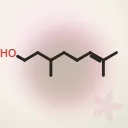 Citronellol
Aroma chemical · Floral / Green — rosy, fresh, citrus, waxy
-

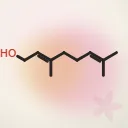 Geraniol
Aroma chemical · Floral / Citrus — rosy, sweet, citrus, fresh
-

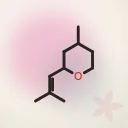 Rose Oxide
Aroma chemical · Floral / Metallic — metallic, green, geranium, rosy
-

 Geranium Oil
Essential oil · Floral / Green — rosy, green, minty, fresh
-

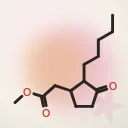 Hedione
Aroma chemical · Floral / Citrus — jasmine, transparent, citrus, airy
-

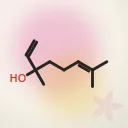 Linalool
Aroma chemical · Floral / Citrus — floral, fresh, woody, citrus
Used in formulas and accords
Not currently used in any published formula.
The Formula & Accord Library lists Rosyrane Super here as soon as a published formula, accord or base uses it.
Further reading
Questions about Rosyrane Super
Is Rosyrane Super natural or synthetic?
Rosyrane Super is synthetic — it is made by chemical synthesis.
What is the CAS number of Rosyrane Super?
60335-74-2. It was checked against PubChem on 7 November 2026.
Sources
- PubChem — compound 108444, checked 7 November 2026.
- PubChem — GHS classification (the ECHA C&L Inventory notifications and any harmonised EU entry), read 7 November 2026.
- Givaudan — Rosyrane Super — manufacturer's description.
- Fraterworks — Rosyrane Super — distributor's description.
- PubChem — 2H-Pyran, tetrahydro-4-methylene-2-phenyl- (CID 108444) — odour database.
- Olfactory profile: the RUŌOD Lab team's synthesis of the published descriptions above, reviewed 7 November 2026. Evidence: more than one published description. Classification and the short description: revision 1. Descriptions of odour are judgement, not measurement.