
In short
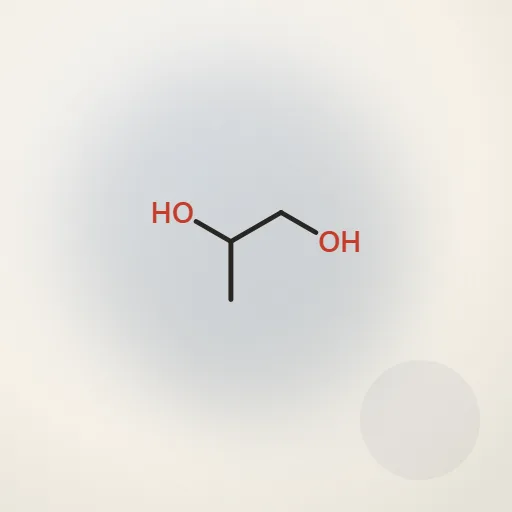
Propylene glycol is a colourless, nearly odourless solvent used in cosmetics, foods and some fragrance products. In perfumery it is used more in functional and home-fragrance bases than in fine fragrance.
What Propylene Glycol smells like
Propylene glycol is a viscous, colourless liquid, nearly odourless but with a faintly sweet taste, in Wikipedia's description. It dissolves many resins, dyes and essential oils, is miscible with water and many solvents, and is used as a carrier for flavours in preference to ethanol because its low volatility gives a more uniform flavour.
- Leading note
- No single note leads in the published descriptions
- Character
- Neutral, low-volatility
What makes Propylene Glycol distinctive
A nearly odourless, water-miscible carrier — common in flavours and functional products.
How Propylene Glycol is used
Used as a carrier and solvent in flavours, cosmetics and functional fragrance.
Typical role: solvent (dilutes or carries other materials).
How Propylene Glycol differs from similar materials
- Dipropylene Glycol (DPG)
- DPG is the usual low-odour perfumery diluent; propylene glycol is more common in flavours and water-based products.
- Glycerol
- Glycerol is thicker and dissolves far fewer perfume materials; it is used as a humectant rather than a diluent.
Each difference compares the published descriptions of the two materials. Smell varies with grade, supplier and dilution; compare them side by side on blotters before substituting one for another.
Formulation considerations
It does not dissolve all fragrance materials well and is more hygroscopic than DPG; test solubility before replacing DPG with it.
Identity and classification
- Type
- Solvent or carrier
- Origin
- Synthetic
- Odour family
- No odour family
- Note position
- Base note
- Physical form at room temperature
- Liquid
- Also known as
- 1,2-Propanediol, PG
- CAS number
- 57-55-6
- Molecular formula
- C3H8O2
- Molecular weight
- 76.09 g/mol
- IUPAC name
- propane-1,2-diol
The CAS number, formula and molecular weight are taken from PubChem compound 1030, whose own record lists this CAS number; checked 19 October 2026.
Safety and compliance
Hazard classification of the neat substance, as PubChem summarises it, read 26 October 2026. Companies notifying the ECHA C&L Inventory report it as not meeting the GHS hazard criteria (6,762 of 6,899 reports). Unless it is harmonised, this is the notifiers' own classification, not a binding one.
This page is general information, not a safety assessment or a specification. Confirm identity, composition, IFRA status and allergen content from your supplier's documents for the lot you hold.
Materials it works with
-
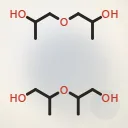 Dipropylene Glycol (DPG)
Solvent or carrier · No odour family — odourless
-
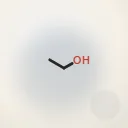 Ethanol (Perfumer's Alcohol)
Solvent or carrier · No odour family — alcoholic, volatile
-

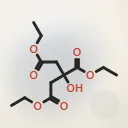 Triethyl Citrate
Solvent or carrier · No odour family — odourless
Propylene Glycol is also suggested as a partner on the pages for Glycerol.
Used in formulas and accords
Not currently used in any published formula.
The Formula & Accord Library lists Propylene Glycol here as soon as a published formula, accord or base uses it.
Further reading
Questions about Propylene Glycol
Is Propylene Glycol natural or synthetic?
Propylene Glycol is synthetic — it is made by chemical synthesis.
What is the CAS number of Propylene Glycol?
57-55-6. It was checked against PubChem on 19 October 2026.
Sources
- PubChem — compound 1030, checked 19 October 2026.
- PubChem — GHS classification (the ECHA C&L Inventory notifications and any harmonised EU entry), read 26 October 2026.
- Wikipedia — Propylene glycol — published perfumery reference.
- PCC Group — Propylene glycol — manufacturer's description.
- Olfactory profile: the RUŌOD Lab team's synthesis of the published descriptions above, reviewed 24 October 2026. Evidence: more than one published description. Classification and the short description: revision 1. Descriptions of odour are judgement, not measurement.