
In short
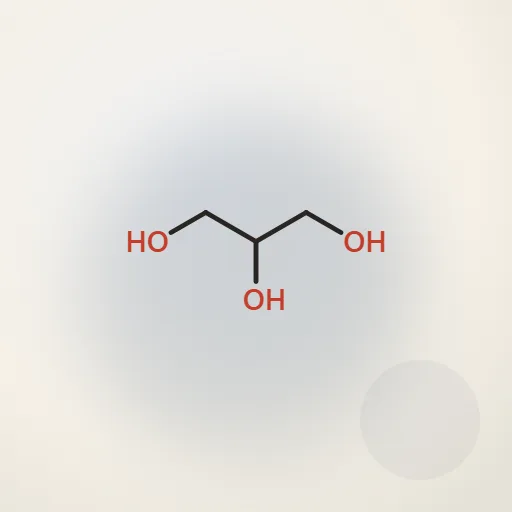
Glycerol (glycerin) is a colourless, syrupy, nearly odourless liquid, made from plant oils or by synthesis. In fragrance it is a humectant and carrier rather than a perfume solvent.
What Glycerol smells like
NIOSH and OSHA describe glycerol as a clear, colourless, odourless, syrupy liquid; the EU specification for it as a food additive allows not more than a slight characteristic odour, neither harsh nor disagreeable. PubChem links it to natural-product databases.
- Leading note
- No single note leads in the published descriptions
- Character
- Neutral, syrupy
What makes Glycerol distinctive
A syrupy, water-loving carrier with no odour of its own.
How Glycerol is used
Used as a humectant and carrier in water-based products rather than as a perfume diluent.
Typical role: solvent (dilutes or carries other materials).
How Glycerol differs from similar materials
- Propylene Glycol
- Both are nearly odourless glycols; glycerol is thicker and dissolves far fewer perfume materials, so it is used as a humectant rather than a diluent.
Each difference compares the published descriptions of the two materials. Smell varies with grade, supplier and dilution; compare them side by side on blotters before substituting one for another.
Formulation considerations
Most perfume materials dissolve poorly in it; it mixes with water and ethanol.
Identity and classification
- Type
- Solvent or carrier
- Origin
- Occurs in nature
- Odour family
- No odour family
- Note position
- Base note
- Physical form at room temperature
- Viscous liquid
- Also known as
- Glycerin, Vegetable glycerin
- CAS number
- 56-81-5
- Molecular formula
- C3H8O3
- Molecular weight
- 92.09 g/mol
- IUPAC name
- propane-1,2,3-triol
The CAS number, formula and molecular weight are taken from PubChem compound 753, whose own record lists this CAS number; checked 24 October 2026.
Safety and compliance
Hazard classification of the neat substance, as PubChem summarises it, read 26 October 2026. Companies notifying the ECHA C&L Inventory report it as not meeting the GHS hazard criteria (5,522 of 5,617 reports). Unless it is harmonised, this is the notifiers' own classification, not a binding one.
This page is general information, not a safety assessment or a specification. Confirm identity, composition, IFRA status and allergen content from your supplier's documents for the lot you hold.
Materials it works with
-

 Propylene Glycol
Solvent or carrier · No odour family — odourless
-
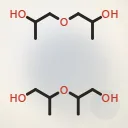 Dipropylene Glycol (DPG)
Solvent or carrier · No odour family — odourless
-
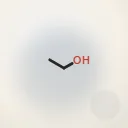 Ethanol (Perfumer's Alcohol)
Solvent or carrier · No odour family — alcoholic, volatile
Used in formulas and accords
Used in 1 published formula
Glycerol is an ingredient in 1 accord in the Formula & Accord Library.
Further reading
Questions about Glycerol
Is Glycerol natural or synthetic?
The molecule occurs in nature. Commercial Glycerol may be made by synthesis or obtained from natural sources, so check the supplier's specification if the distinction matters to you.
What is the CAS number of Glycerol?
56-81-5. It was checked against PubChem on 24 October 2026.
Which published formulas use Glycerol?
Glycerol is used in 1 published formula in the RUŌOD Lab Formula & Accord Library: Blood Accord. Each is listed with a link under "Used in formulas and accords" on this page.
Sources
- PubChem — compound 753, checked 24 October 2026.
- PubChem — GHS classification (the ECHA C&L Inventory notifications and any harmonised EU entry), read 26 October 2026.
- PubChem — Glycerol (CID 753): NIOSH, OSHA and EU specification descriptions — odour database.
- Olfactory profile: the RUŌOD Lab team's synthesis of the published descriptions above, reviewed 24 October 2026. Evidence: more than one published description. Classification and the short description: revision 1. Descriptions of odour are judgement, not measurement.