

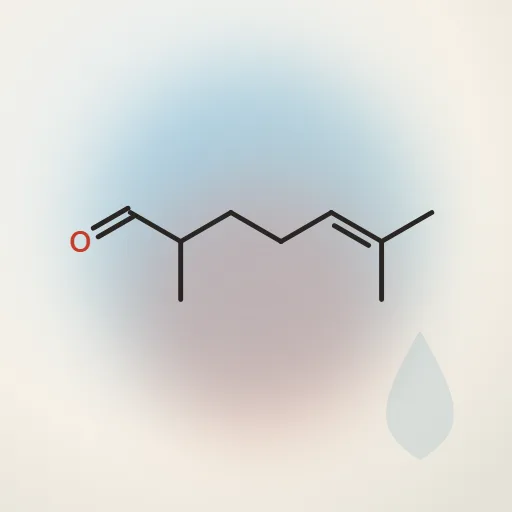
In short
Melonal (2,6-dimethyl-5-heptenal) is a synthetic aldehyde with a fresh, watery melon note.
What Melonal smells like
Melonal (Givaudan) is a powerful green aldehyde that smells of melon and cucumber. Givaudan's description is powerful, green, melon, cucumber; Symrise describes a green melon note with a hint of ozone. Other descriptions stress a watery, dewy, cool effect with a crisp, not-yet-ripe character rather than sugary fruit — closer to the pale rind of a watermelon than to its flesh. It is very powerful and is usually diluted to 1% or less.
- Leading note
- Green melon
- Clear facets
- Cucumber
- Supporting facets
- Watery
- Faint facets
- Ozonic
- Character
- Green, watery, cool, crisp
What makes Melonal distinctive
Underripe melon rind rather than sweet flesh: green, cool and watery, with an aldehydic freshness that makes it a building block of aquatic and fresh compositions.
Concentration and dilution
Very powerful; it is usually diluted to 1% or less for use.
How Melonal is used
Used as a top note in fresh, aquatic and fruity compositions for a watery melon-cucumber effect.
Typical role: modifier (used in small amounts to change the character of a blend); lift (adds diffusion and radiance, especially at the top).
How Melonal differs from similar materials
- cis-6-Nonenol
- cis-6-Nonenol is sweeter, waxier honeydew flesh; Melonal is greener and cooler, an underripe rind note with an ozonic hint.
- Calone
- Calone is marine and sea-breeze first, with watermelon in the background; Melonal is green melon and cucumber first, with only a hint of ozone.
- Methoxymelonal
- Methoxy melonal is ozonic, watery and muguet-like with little fruit; Melonal is clearly green melon and cucumber.
Each difference compares the published descriptions of the two materials. Smell varies with grade, supplier and dilution; compare them side by side on blotters before substituting one for another.
Formulation considerations
Strong; dose carefully.
Identity and classification
- Type
- Aroma chemical
- Origin
- Synthetic
- Odour family
- Aquatic / Fruity
- Note position
- Top note
- Physical form at room temperature
- Liquid
- Also known as
- 2,6-Dimethyl-5-heptenal
- CAS number
- 106-72-9
- Molecular formula
- C9H16O
- Molecular weight
- 140.22 g/mol
- IUPAC name
- 2,6-dimethylhept-5-enal
The CAS number, formula and molecular weight are taken from PubChem compound 61016, whose own record lists this CAS number; checked 19 October 2026.
Safety and compliance
Hazard classification of the neat substance, as PubChem summarises it, read 26 October 2026. Companies notifying the ECHA C&L Inventory classify it (1,898 reports): H226 flammable liquid and vapor (86.6% of reports); H317 may cause an allergic skin reaction (11.2% of reports). 5 of the reports find it does not meet the hazard criteria. A skin sensitiser classification concerns handling the neat material and the dose in a finished product; the IFRA Standards, where they apply, set the limits. Unless it is harmonised, this is the notifiers' own classification, not a binding one.
This page is general information, not a safety assessment or a specification. Confirm identity, composition, IFRA status and allergen content from your supplier's documents for the lot you hold.
Materials it works with
-
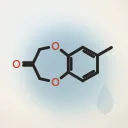 Calone
Aroma chemical · Aquatic / Metallic — marine, watermelon, ozonic, watery
-

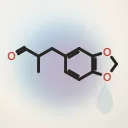 Helional
Aroma chemical · Aquatic / Floral — ozonic, watery, green, floral
-

 2,6-Nonadienal
Aroma chemical · Green / Aquatic — cucumber, green, violet leaf, watery
Melonal is also suggested as a partner on the pages for cis-6-Nonenal, cis-6-Nonenol and Methoxymelonal.
Used in formulas and accords
Used in 3 published formulas
Melonal is an ingredient in 2 perfume formulas and 1 accord in the Formula & Accord Library.
Community formulas
RUŌOD House Originals
Original compositions by RUŌOD House.
Further reading
Questions about Melonal
Is Melonal natural or synthetic?
Melonal is synthetic — it is made by chemical synthesis.
What is the CAS number of Melonal?
106-72-9. It was checked against PubChem on 19 October 2026.
Which published formulas use Melonal?
Melonal is used in 3 published formulas in the RUŌOD Lab Formula & Accord Library: Honeydew Static, Pumpkin Accord and Reef Light. Each is listed with a link under "Used in formulas and accords" on this page.
Sources
- PubChem — compound 61016, checked 19 October 2026.
- PubChem — GHS classification (the ECHA C&L Inventory notifications and any harmonised EU entry), read 26 October 2026.
- Perflavory (The Good Scents Company) — Melonal (with Givaudan and Symrise descriptions) — odour database.
- Premiere Peau — Melonal — published perfumery reference.
- Scent.vn — Melonal — distributor's description.
- Olfactory profile: the RUŌOD Lab team's synthesis of the published descriptions above, reviewed 20 October 2026. Evidence: more than one published description. Classification and the short description: revision 1. Descriptions of odour are judgement, not measurement.