
In short
Linalyl cinnamate is the cinnamic ester of linalool, a mild, sweet, balsamic floral material. It is used as a soft blender and fixative in delicate florals and oriental compositions.
What Linalyl Cinnamate smells like
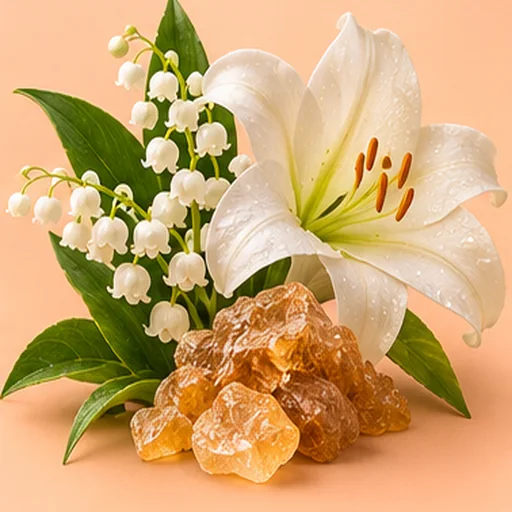
Givaudan describes linalyl cinnamate as giving a sweet, natural effect to floral, fruity and oriental compositions and acting as a blending agent and fixative in delicate floral accords; it lasts about eight hours on a blotter. JECFA records an almost colourless, oily, somewhat viscous liquid with a mild, balsamic, sweet, slightly herbaceous, floral odour. Fraterworks finds a soft floral-lily scent with balsamic warmth and a subtle fruity-herbaceous edge.
- Leading note
- Soft balsamic floral
- Clear facets
- Lily, balsamic
- Supporting facets
- Sweet
- Faint facets
- Herbaceous
- Character
- Mild, soft, warm
What makes Linalyl Cinnamate distinctive
Linalool's freshness slowed down into a soft, balsamic floral; the cinnamate brings warmth without any cinnamon spice.
How Linalyl Cinnamate is used
Fraterworks uses it in muguet, lily and freesia accords and with citronellol to bridge floral and oriental styles; Givaudan as a fixative in delicate florals.
Typical role: fixative (slow to evaporate; helps a blend last and holds lighter notes); blender (smooths the joins between other materials).
How Linalyl Cinnamate differs from similar materials
- Linalyl Benzoate
- Both are heavy linalool esters. The benzoate is a fuller, heavier floral with a tuberose character; the cinnamate is milder, lily-like and more balsamic.
Each difference compares the published descriptions of the two materials. Smell varies with grade, supplier and dilution; compare them side by side on blotters before substituting one for another.
Formulation considerations
Mild in odour; its value is in body and fixation rather than impact.
Identity and classification
- Type
- Aroma chemical
- Origin
- Synthetic
- Odour family
- Floral / Amber
- Note position
- Heart note
- Physical form at room temperature
- Viscous liquid
- Also known as
- 3,7-Dimethylocta-1,6-dien-3-yl cinnamate
- CAS number
- 78-37-5
- Molecular formula
- C19H24O2
- Molecular weight
- 284.4 g/mol
- IUPAC name
- 3,7-dimethylocta-1,6-dien-3-yl (E)-3-phenylprop-2-enoate
The CAS number, formula and molecular weight are taken from PubChem compound 5355858, whose own record lists this CAS number; checked 7 November 2026.
Safety and compliance
Hazard classification of the neat substance, as PubChem summarises it, read 7 November 2026. Companies notifying the ECHA C&L Inventory classify it (1,553 reports): H319 causes serious eye irritation (82.8% of reports). 267 of the reports find it does not meet the hazard criteria. Unless it is harmonised, this is the notifiers' own classification, not a binding one.
This page is general information, not a safety assessment or a specification. Confirm identity, composition, IFRA status and allergen content from your supplier's documents for the lot you hold.
Materials it works with
-

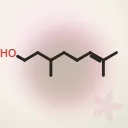 Citronellol
Aroma chemical · Floral / Green — rosy, fresh, citrus, waxy
-
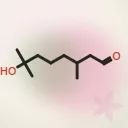 Hydroxycitronellal
Aroma chemical · Floral / Green — muguet, floral, soft, sweet
-

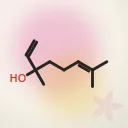 Linalool
Aroma chemical · Floral / Citrus — floral, fresh, woody, citrus
-

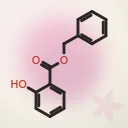 Benzyl Salicylate
Aroma chemical · Floral / Powdery — balsamic, floral, faint, sweet
-

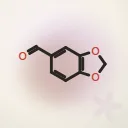 Heliotropin
Aroma chemical · Powdery / Gourmand — powdery, almond, vanilla, floral
Used in formulas and accords
Not currently used in any published formula.
The Formula & Accord Library lists Linalyl Cinnamate here as soon as a published formula, accord or base uses it.
Further reading
Questions about Linalyl Cinnamate
Is Linalyl Cinnamate natural or synthetic?
Linalyl Cinnamate is synthetic — it is made by chemical synthesis.
What is the CAS number of Linalyl Cinnamate?
78-37-5. It was checked against PubChem on 7 November 2026.
Sources
- PubChem — compound 5355858, checked 7 November 2026.
- PubChem — GHS classification (the ECHA C&L Inventory notifications and any harmonised EU entry), read 7 November 2026.
- Givaudan — Linalyl Cinnamate — manufacturer's description.
- Fraterworks — Linalyl Cinnamate — distributor's description.
- PubChem — linalyl cinnamate (JECFA description) (CID 5355858) — odour database.
- Olfactory profile: the RUŌOD Lab team's synthesis of the published descriptions above, reviewed 7 November 2026. Evidence: several independent published descriptions, which agree. Classification and the short description: revision 1. Descriptions of odour are judgement, not measurement.