
In short
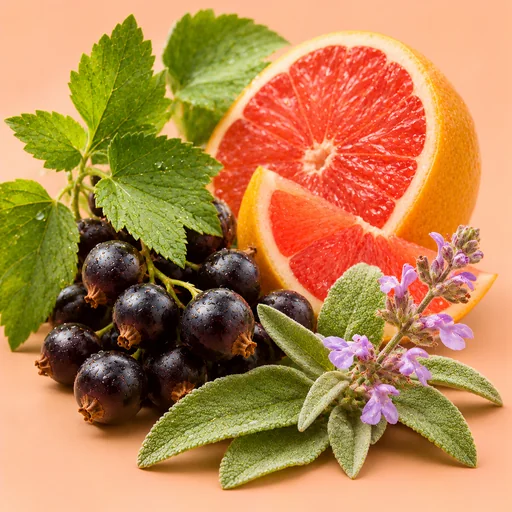
Labienoxime is a Givaudan oxime with a natural, fresh blackcurrant character and a sage-flower nuance. It gives cassis realism without the sulphurous edge of many blackcurrant materials and is linear and substantive.
What Labienoxime smells like
Givaudan describes Labienoxime as surprisingly natural and fresh, a cassis and sage-flower character that blends as a modifier wherever a fresh, fruity green is needed, more linear and substantive on fabric than others in its area; it lasts a week on a blotter. Fraterworks calls it blackcurrant at its freshest and most natural — juicy, fruity and green with a grapefruit sparkle and a soft sage-flower nuance — that skips the sulphury, catty edge of many cassis materials.
- Leading note
- Fresh blackcurrant
- Clear facets
- Grapefruit
- Supporting facets
- Green, sage flower
- Character
- Juicy, clean, linear, potent
What makes Labienoxime distinctive
Cassis without sulphur: the fruit and green of blackcurrant with none of the catty note that comes with the thiols.
How Labienoxime is used
Givaudan uses it in citrus, modern lily of the valley and lavender; Fraterworks for blackcurrant realism in fruity florals, grapefruit sparkle in citrus tops and a fruity lift in rose.
Typical role: modifier (used in small amounts to change the character of a blend).
How Labienoxime differs from similar materials
- Buccoxime
- Both are cassis oximes. Buccoxime is the sharper, buchu-like green; Labienoxime is juicier and more natural blackcurrant with a grapefruit sparkle.
- 8-Mercapto-p-menthan-3-one
- Fraterworks notes Labienoxime skips the sulphury, catty edge of many cassis materials; mercaptomenthone is the sulphur blackcurrant with exactly that edge. (compared directly by a cited source)
An asterisk marks a difference that a cited source states directly. The others compare the published descriptions of each material. Smell varies with grade, supplier and dilution; compare them side by side on blotters before substituting one for another.
Formulation considerations
Extremely potent even as supplied; dilute further to evaluate.
Identity and classification
- Type
- Aroma chemical
- Origin
- Synthetic
- Odour family
- Fruity / Green
- Note position
- Heart note
- Physical form at room temperature
- Liquid. Givaudan supplies it only as a 10% solution in IPM and TEC, a colourless liquid; the form of the neat material is not published.
- Also known as
- Cassis oxime, 2,4,4,7-Tetramethylnona-6,8-dien-3-one oxime
- CAS number
- 81783-01-9
- Molecular formula
- C13H23NO
- Molecular weight
- 209.33 g/mol
- IUPAC name
- N-(2,4,4,7-tetramethylnona-6,8-dien-3-ylidene)hydroxylamine
The CAS number, formula and molecular weight are taken from PubChem compound 3019015, whose own record lists this CAS number; checked 7 November 2026.
Safety and compliance
This page is general information, not a safety assessment or a specification. Confirm identity, composition, IFRA status and allergen content from your supplier's documents for the lot you hold.
Materials it works with
-
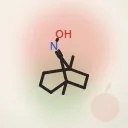 Buccoxime
Aroma chemical · Fruity / Green — blackcurrant, buchu, green, fruity
-
 Blackcurrant Bud Absolute
Absolute · Fruity / Green — blackcurrant, green, sulphurous, fruity
-
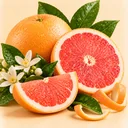
 Grapefruit Oil (Expressed)
Essential oil · Citrus / Fruity — citrus, bitter, juicy, sparkling
-
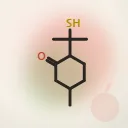 8-Mercapto-p-menthan-3-one
Aroma chemical · Fruity / Green — blackcurrant, buchu, sulfurous, fruity
-
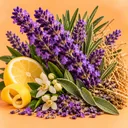
 Lavender Oil
Essential oil · Aromatic / Floral — lavender, herbal, floral, fresh
-

 Rose Absolute (Rosa centifolia)
Absolute · Floral / Fruity — rose, honeyed, jammy, waxy
Used in formulas and accords
Not currently used in any published formula.
The Formula & Accord Library lists Labienoxime here as soon as a published formula, accord or base uses it.
Further reading
Questions about Labienoxime
Is Labienoxime natural or synthetic?
Labienoxime is synthetic — it is made by chemical synthesis.
What is the CAS number of Labienoxime?
81783-01-9. It was checked against PubChem on 7 November 2026.
Sources
- PubChem — compound 3019015, checked 7 November 2026.
- Givaudan — Labienoxime 10% IPM-TEC — manufacturer's description.
- Fraterworks — Labienoxime 10% — distributor's description.
- PubChem — n-(2,4,4,7-Tetramethylnona-6,8-dien-3-ylidene)hydroxylamine (CID 3019015) — odour database.
- Olfactory profile: the RUŌOD Lab team's synthesis of the published descriptions above, reviewed 7 November 2026. Evidence: more than one published description. Classification and the short description: revision 1. Descriptions of odour are judgement, not measurement.