

In short
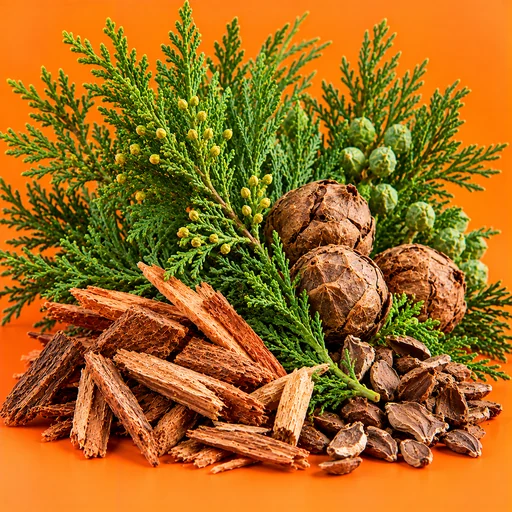
Cypress oil is distilled from the needles and twigs of the Mediterranean cypress. It is a fresh, resinous conifer note.
What Cypress Oil smells like
Cypress oil is dry, woody and resinous with a terpenic edge. A supplier lists woody, resinous, peppery, terpenic and slightly fruity-apple; a fragrance seller describes a fresh terpenic, subtly camphoraceous top evolving into a lasting woody aroma with a hint of herbaceousness. Glossaries add a smoky, almost mineral, slightly phenolic edge that distinguishes it from other conifers, and some describe sweet, amber and ambergris-like low notes in some batches.
- Leading note
- Dry resinous wood
- Supporting facets
- Smoky, mineral, terpenic, camphoraceous
- Faint facets
- Amber, apple
- Character
- Dry, fresh, austere
What makes Cypress Oil distinctive
A smoky, mineral conifer with an ambery drydown — drier and darker than pine.
Where the descriptions disagree: The ambery drydown is described for some batches only.
How Cypress Oil is used
Used as a modifier in pine-needle, citrus cologne, fougère, chypre and aldehydic compositions.
Typical role: modifier (used in small amounts to change the character of a blend).
How Cypress Oil differs from similar materials
- Juniper Berry Oil
- Juniper is fresher and gin-like, with pepper; cypress is drier and smokier, with an ambery drydown.
- Cedar Leaf Oil
- Cedar leaf is sharp, thujonic and herbal; cypress is a drier, smokier wood.
- Mastic Oil
- Mastic is fresher and more balsamic-green, with cypress only in the background; cypress is drier and smokier.
- Cypress Absolute
- Cypress absolute, extracted from the spent twigs, is deeper, balsamic and ambery.
Each difference compares the published descriptions of the two materials. Smell varies with grade, supplier and dilution; compare them side by side on blotters before substituting one for another.
Formulation considerations
Contains monoterpenes that oxidise; store cold.
Identity and classification
- Type
- Essential oil
- Origin
- Natural
- Odour family
- Woody / Aromatic
- Note position
- Top to heart note
- Physical form at room temperature
- Liquid
- Botanical source
- Cupressus sempervirens L.
- CAS number
- 8013-86-3
The CAS number was checked on 19 October 2026 against a PubChem substance record that gives it for this material. A natural material is a mixture, so it has no single formula; its composition varies with origin and processing.
Safety and compliance
This page is general information, not a safety assessment or a specification. Confirm identity, composition, IFRA status and allergen content from your supplier's documents for the lot you hold.
Materials it works with
-

 Juniper Berry Oil
Essential oil · Aromatic / Woody — gin, peppery, resinous, fresh
-

 Cedarwood Oil (Virginia)
Essential oil · Woody / Aromatic — woody, dry, pencil shavings, clean
-

 Labdanum Absolute
Absolute · Amber / Leather — amber, balsamic, leathery, animalic
Cypress Oil is also suggested as a partner on the pages for Cypress Absolute and delta-3-Carene.
Used in formulas and accords
Used in 9 published formulas
Cypress Oil is an ingredient in 9 perfume formulas in the Formula & Accord Library.
RUŌOD House Originals
Original compositions by RUŌOD House.
Further reading
Questions about Cypress Oil
Is Cypress Oil natural or synthetic?
Cypress Oil is natural. It is a volatile oil obtained from plant material by steam distillation or, for citrus peels, by cold expression.
What is the CAS number of Cypress Oil?
8013-86-3, the registry number for the essential oil as a substance rather than a single molecule. It was checked against PubChem on 19 October 2026.
Which published formulas use Cypress Oil?
Cypress Oil is used in 9 published formulas in the RUŌOD Lab Formula & Accord Library, including Bitter Ferry, Black Pepper Sail and Cypress Bathhouse. Each is listed with a link under "Used in formulas and accords" on this page.
Sources
- PubChem — substance 505099047, checked 19 October 2026.
- Scentspiracy — Cypress oil — distributor's description.
- The Good Scents Company — cypress oil — odour database.
- Premiere Peau — Cypress oil — published perfumery reference.
- Olfactory profile: the RUŌOD Lab team's synthesis of the published descriptions above, reviewed 24 October 2026. Evidence: more than one published description. Classification and the short description: revision 1. Descriptions of odour are judgement, not measurement.