
In short
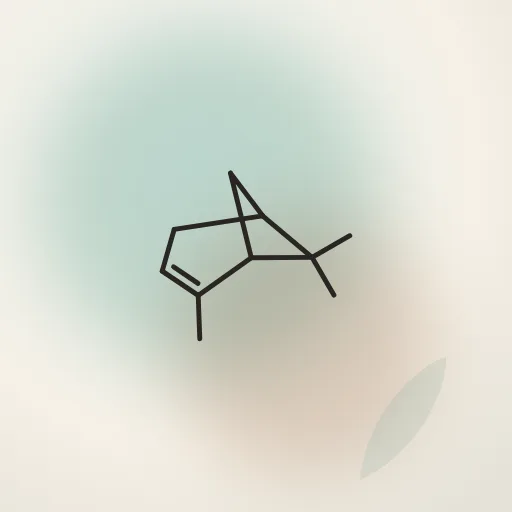
alpha-Pinene is a bicyclic monoterpene and the main constituent of turpentine and many conifer oils. It has a fresh, resinous pine odour.
What alpha-Pinene smells like
alpha-Pinene is the sharper, more turpentine-like of the two pinenes: perfumery sources describe it as piercing and needle-like, with a camphor edge and a strong, fast-fading top note, extremely volatile and immediately impactful. Both pinenes are major constituents of turpentine, and both are commonly called turpentine-like. It dominates Scots pine and many conifer and resin oils.
- Leading note
- Sharp pine
- Clear facets
- Turpentine
- Supporting facets
- Camphoraceous, resinous
- Character
- Sharp, fresh, volatile
What makes alpha-Pinene distinctive
Pine in your face: the piercing, turpentine-edged needle note that fades within minutes.
How alpha-Pinene is used
Used in pine, conifer and fresh compositions and in functional products, and as a building block for other aroma chemicals.
Typical role: modifier (used in small amounts to change the character of a blend); lift (adds diffusion and radiance, especially at the top).
How alpha-Pinene differs from similar materials
- beta-Pinene
- beta-Pinene is softer, woodier, drier and more herbaceous — 'pine from a distance'; alpha-pinene is sharper and more turpentine-like. (compared directly by a cited source)
- Scots Pine Needle Oil
- Scots pine oil is dominated by alpha-pinene, adding delta-3-carene, bornyl acetate and a dry-balsamic body. (compared directly by a cited source)
- Terpinolene
- A glossary finds terpinolene softer than alpha-pinene, with no turpentine harshness and a sweet citrus side. (compared directly by a cited source)
- delta-3-Carene
- delta-3-Carene is sweeter, with a damp-earth side; alpha-pinene is sharper and more turpentine-like.
An asterisk marks a difference that a cited source states directly. The others compare the published descriptions of each material. Smell varies with grade, supplier and dilution; compare them side by side on blotters before substituting one for another.
Formulation considerations
Oxidises in air to sensitising products; store well closed and use fresh material.
Identity and classification
- Type
- Aroma chemical
- Origin
- Occurs in nature
- Odour family
- Aromatic / Woody
- Note position
- Top note
- Physical form at room temperature
- Liquid
- Also known as
- 2,6,6-Trimethylbicyclo[3.1.1]hept-2-ene
- CAS number
- 80-56-8
- Molecular formula
- C10H16
- Molecular weight
- 136.23 g/mol
- IUPAC name
- 2,6,6-trimethylbicyclo[3.1.1]hept-2-ene
The CAS number, formula and molecular weight are taken from PubChem compound 6654, whose own record lists this CAS number; checked 19 October 2026.
Safety and compliance
Hazard classification of the neat substance, as PubChem summarises it, read 26 October 2026. Companies notifying the ECHA C&L Inventory classify it (2,036 reports): H226 flammable liquid and vapor (97.6% of reports); H315 causes skin irritation (83.2% of reports); H304 may be fatal if swallowed and enters airways (74.1% of reports); H317 may cause an allergic skin reaction (66.1% of reports); H410 very toxic to aquatic life with long lasting effects (55.7% of reports); H400 very toxic to aquatic life (52.7% of reports); H318 causes serious eye damage (23.3% of reports); H302 harmful if swallowed (13.7% of reports). 25 of the reports find it does not meet the hazard criteria. A skin sensitiser classification concerns handling the neat material and the dose in a finished product; the IFRA Standards, where they apply, set the limits. Unless it is harmonised, this is the notifiers' own classification, not a binding one.
This page is general information, not a safety assessment or a specification. Confirm identity, composition, IFRA status and allergen content from your supplier's documents for the lot you hold.
Materials it works with
-
 beta-Pinene
Aroma chemical · Aromatic / Woody — piney, woody, dry, green
-
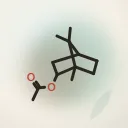 Bornyl Acetate
Aroma chemical · Aromatic / Woody — pine, balsamic, camphoraceous, sweet
-

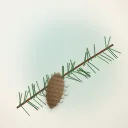 Scots Pine Needle Oil
Essential oil · Aromatic / Woody — pine, resinous, fresh, balsamic
-
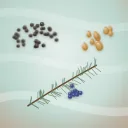
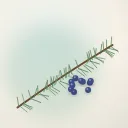 Juniper Berry Oil
Essential oil · Aromatic / Woody — gin, peppery, resinous, fresh
alpha-Pinene is also suggested as a partner on the pages for Balsam Fir Needle Oil, Camphene, delta-3-Carene, Mastic Oil, Sabinene and Terpinolene.
Used in formulas and accords
Used in 6 published formulas
alpha-Pinene is an ingredient in 1 perfume formula, 3 accords and 2 bases in the Formula & Accord Library.
Community formulas
RUŌOD House Originals
Original compositions by RUŌOD House.
Further reading
Questions about alpha-Pinene
Is alpha-Pinene natural or synthetic?
The molecule occurs in nature. Commercial alpha-Pinene may be made by synthesis or obtained from natural sources, so check the supplier's specification if the distinction matters to you.
What is the CAS number of alpha-Pinene?
80-56-8. It was checked against PubChem on 19 October 2026.
Which published formulas use alpha-Pinene?
alpha-Pinene is used in 6 published formulas in the RUŌOD Lab Formula & Accord Library, including Cannabis Base, Mango Accord and Neroli Bigarade Base. Each is listed with a link under "Used in formulas and accords" on this page.
Sources
- PubChem — compound 6654, checked 19 October 2026.
- PubChem — GHS classification (the ECHA C&L Inventory notifications and any harmonised EU entry), read 26 October 2026.
- Fraterworks — alpha pinene — distributor's description.
- Premiere Peau — beta-Pinene (comparing alpha-pinene) — published perfumery reference.
- Chemie.de — the aroma of Christmas trees — published perfumery reference.
- Olfactory profile: the RUŌOD Lab team's synthesis of the published descriptions above, reviewed 21 October 2026. Evidence: more than one published description. Classification and the short description: revision 1. Descriptions of odour are judgement, not measurement.