

In short
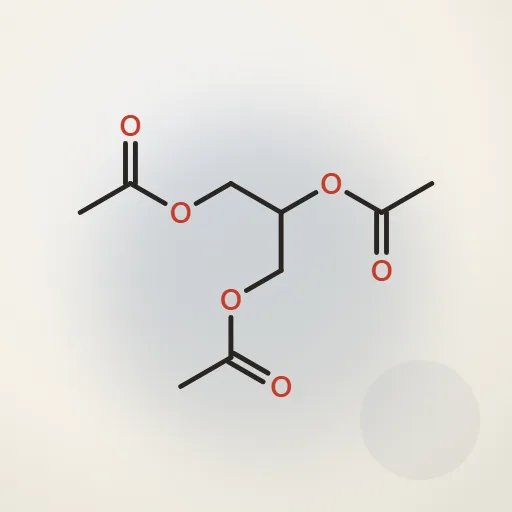
Triacetin, glyceryl triacetate, is a nearly odourless ester of glycerol. It is used as a solvent and carrier for flavours and some fragrance preparations.
What Triacetin smells like
Triacetin is described in a chemical listing as a colourless, viscous and odourless liquid. The Merck Index description, as Drugfuture reproduces it, is a somewhat oily liquid with a slight, fatty odour and a bitter taste; one cosmetics maker calls it mildly creamy-fruity, which no other source repeats.
- Leading note
- No single note leads in the published descriptions
- Character
- Neutral, viscous
What makes Triacetin distinctive
An odourless, viscous solvent and fixative.
Where the descriptions disagree: Most descriptions give a faint fatty odour or none at all; a single cosmetics maker mentions a mild creamy-fruity note.
How Triacetin is used
Used as a solvent and fixative in fragrance and flavour, and in many other industrial applications.
Typical role: solvent (dilutes or carries other materials).
How Triacetin differs from similar materials
- Triethyl Citrate
- Triethyl citrate is nearly odourless with a faint fruity, wine-like note neat; triacetin is described as odourless.
Each difference compares the published descriptions of the two materials. Smell varies with grade, supplier and dilution; compare them side by side on blotters before substituting one for another.
Formulation considerations
Check solubility of resins and crystals before using it in place of DPG or triethyl citrate.
Identity and classification
- Type
- Solvent or carrier
- Origin
- Synthetic
- Odour family
- No odour family
- Note position
- Base note
- Physical form at room temperature
- Liquid
- Also known as
- Glyceryl triacetate
- CAS number
- 102-76-1
- Molecular formula
- C9H14O6
- Molecular weight
- 218.2 g/mol
- IUPAC name
- 2,3-diacetyloxypropyl acetate
The CAS number, formula and molecular weight are taken from PubChem compound 5541, whose own record lists this CAS number; checked 19 October 2026.
Safety and compliance
Hazard classification of the neat substance, as PubChem summarises it, read 26 October 2026. Companies notifying the ECHA C&L Inventory report it as not meeting the GHS hazard criteria (1,973 of 1,977 reports). Unless it is harmonised, this is the notifiers' own classification, not a binding one.
This page is general information, not a safety assessment or a specification. Confirm identity, composition, IFRA status and allergen content from your supplier's documents for the lot you hold.
Materials it works with
-

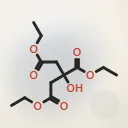 Triethyl Citrate
Solvent or carrier · No odour family — odourless
-
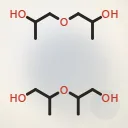 Dipropylene Glycol (DPG)
Solvent or carrier · No odour family — odourless
-

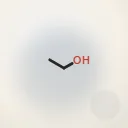 Ethanol (Perfumer's Alcohol)
Solvent or carrier · No odour family — alcoholic, volatile
Used in formulas and accords
Not currently used in any published formula.
The Formula & Accord Library lists Triacetin here as soon as a published formula, accord or base uses it.
Further reading
Questions about Triacetin
Is Triacetin natural or synthetic?
Triacetin is synthetic — it is made by chemical synthesis.
What is the CAS number of Triacetin?
102-76-1. It was checked against PubChem on 19 October 2026.
Sources
- PubChem — compound 5541, checked 19 October 2026.
- PubChem — GHS classification (the ECHA C&L Inventory notifications and any harmonised EU entry), read 26 October 2026.
- Chan Chao — Triacetin product listing — distributor's description.
- Drugfuture — Triacetin (Merck Index monograph) — published perfumery reference.
- Olfactory profile: the RUŌOD Lab team's synthesis of the published descriptions above, reviewed 26 October 2026. Evidence: more than one published description. Classification and the short description: revision 1. Descriptions of odour are judgement, not measurement.