
In short
Norlimbanol is dsm-firmenich's dry woody-amber molecule, launched in 1986. It shares its CAS number with Timberol but is a different isomer mixture, so formulas that name it are not read as Timberol.
What Norlimbanol smells like
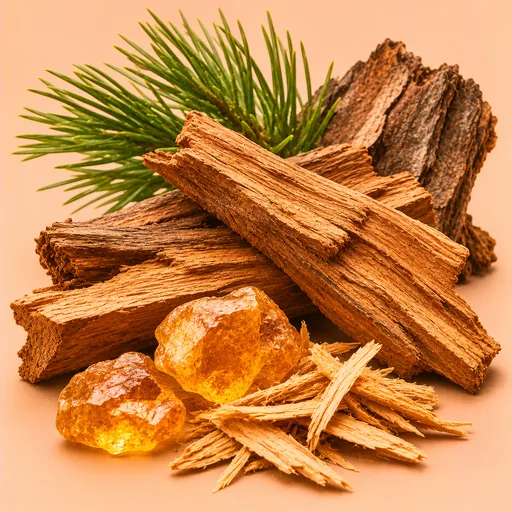
dsm-firmenich describes Norlimbanol as dry woody and ambery, enhancing fresh top notes and tenacity in all applications, and places it in its woody family. Scentspiracy describes the racemic high-trans mixture as Norlimbanol and Timberol as the high-cis form of the same compound.
- Leading note
- Dry wood
- Supporting facets
- Amber
- Character
- Dry, powerful, tenacious
What makes Norlimbanol distinctive
dsm-firmenich's dry woody-amber: the trans-rich counterpart of Timberol.
Where the descriptions disagree: ChemicalBook describes material under this CAS number as a cis/trans mixture without a ratio; the trans-rich reading rests on one distributor.
How Norlimbanol is used
Used in small amounts for a dry, radiant woody-amber effect and for tenacity, in fine fragrance and functional products.
Typical role: modifier (used in small amounts to change the character of a blend); fixative (slow to evaporate; helps a blend last and holds lighter notes).
How Norlimbanol differs from similar materials
- Timberol
- The same compound in a different isomer mixture: Timberol is described as the high-cis form, Norlimbanol as the high-trans racemate. The formulas list them as different materials, so they are not assumed interchangeable.
Each difference compares the published descriptions of the two materials. Smell varies with grade, supplier and dilution; compare them side by side on blotters before substituting one for another.
Formulation considerations
Very strong; work from dilution. Shares its CAS number with Timberol, so any IFRA Standard or certificate written for that number applies to it. dsm-firmenich also sells Norlimbanol Dextro, described as its key olfactive isomer, which is a different grade from this record.
Identity and classification
- Type
- Aroma chemical
- Origin
- Synthetic
- Odour family
- Woody / Amber
- Note position
- Base note
- Physical form at room temperature
- Liquid
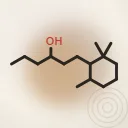
No CAS number is shown. The identity of Norlimbanol is taken from documentation by dsm-firmenich, Scentspiracy; dsm-firmenich lists Norlimbanol under CAS 70788-30-6, the same number as Timberol: the two are different isomer mixtures of one compound, so the number cannot tell them apart and is not published for this record. Without a verified number there is no formula, molecular weight or structure drawing either.
Safety and compliance
This page is general information, not a safety assessment or a specification. Confirm identity, composition, IFRA status and allergen content from your supplier's documents for the lot you hold.
Materials it works with
-
 Timberol
Aroma chemical · Woody / Amber — woody, amber, dry, animalic
-
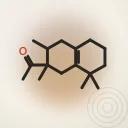 Iso E Super
Aroma chemical · Woody / Amber — woody, velvety, amber, cedar
-
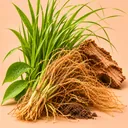
 Vetiver Oil
Essential oil · Woody / Green — earthy, smoky, woody, rooty
Used in formulas and accords
Not currently used in any published formula.
The Formula & Accord Library lists Norlimbanol here as soon as a published formula, accord or base uses it.
Further reading
Questions about Norlimbanol
Is Norlimbanol natural or synthetic?
Norlimbanol is synthetic — it is made by chemical synthesis.
Sources
- dsm-firmenich — Norlimbanol PE 967412 — manufacturer's description.
- Scentspiracy — Timberol (Symrise) — distributor's description.
- Olfactory profile: the RUŌOD Lab team's synthesis of the published descriptions above, reviewed 3 November 2026. Evidence: few published descriptions; treat the detail with caution. Classification and the short description: revision 1. Descriptions of odour are judgement, not measurement.