


In short
Lavandin oil is distilled from Lavandula × intermedia, a hybrid of true lavender and spike lavender. It is more camphoraceous and much cheaper than lavender oil.
What Lavandin Oil (Grosso) smells like
Lavandin oil, from the sterile hybrid Lavandula × intermedia, is sharper, more penetrating and more herbal than true lavender, with a distinct camphor bite. Like lavender it is built on linalool and linalyl acetate, but with more camphor and cineole. It yields far more oil, grows at lower altitudes and makes up the bulk of commercial lavender production.
- Leading note
- Herbal camphoraceous lavender
- Clear facets
- Camphor
- Supporting facets
- Herbaceous, floral
- Character
- Sharp, penetrating, fresh, herbal
What makes Lavandin Oil (Grosso) distinctive
Lavender with a camphor bite — between the floral true lavender and the eucalyptus-camphor spike, its two parents.
How Lavandin Oil (Grosso) is used
Used widely in functional fragrance, soap and household products, and deliberately in some fine fragrances for its sharper character.
Typical role: backbone (used in large proportions as a structural material of an accord).
How Lavandin Oil (Grosso) differs from similar materials
- Lavender Oil
- True lavender is sweeter and more floral, with less camphor; lavandin is sharper, more herbal and camphoraceous. (compared directly by a cited source)
- Spike Lavender Oil
- Spike, one of lavandin's parents, is more cineole- and camphor-dominated; lavandin keeps more of the floral lavender. (compared directly by a cited source)
- Lavandin Absolute
- Lavandin absolute adds a coumarin and hay background with honeyed warmth, and lasts longer.
An asterisk marks a difference that a cited source states directly. The others compare the published descriptions of each material. Smell varies with grade, supplier and dilution; compare them side by side on blotters before substituting one for another.
Formulation considerations
Grosso is the most common variety.
Identity and classification
- Type
- Essential oil
- Origin
- Natural
- Odour family
- Aromatic / Floral
- Note position
- Top to heart note
- Physical form at room temperature
- Liquid
- Botanical source
- Lavandula × intermedia Emeric ex Loisel.
- CAS number
- 8022-15-9
The CAS number was checked on 19 October 2026 against a PubChem substance record that gives it for this material. A natural material is a mixture, so it has no single formula; its composition varies with origin and processing.
Safety and compliance
This page is general information, not a safety assessment or a specification. Confirm identity, composition, IFRA status and allergen content from your supplier's documents for the lot you hold.
Materials it works with
-

 Lavender Oil
Essential oil · Aromatic / Floral — lavender, herbal, floral, fresh
-

 Rosemary Oil
Essential oil · Aromatic / Woody — herbal, camphoraceous, fresh, woody
-
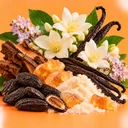
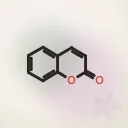 Coumarin
Aroma chemical · Powdery / Fougère — hay, sweet, almond, tobacco
Lavandin Oil (Grosso) is also suggested as a partner on the pages for Camphor, Fenchyl Acetate, Lavandin Absolute, Lavandulyl Acetate and Spike Lavender Oil.
Used in formulas and accords
Used in 7 published formulas
Lavandin Oil (Grosso) is an ingredient in 6 perfume formulas and 1 base in the Formula & Accord Library.
Community formulas
RUŌOD House Originals
Original compositions by RUŌOD House.
Further reading
Questions about Lavandin Oil (Grosso)
Is Lavandin Oil (Grosso) natural or synthetic?
Lavandin Oil (Grosso) is natural. It is a volatile oil obtained from plant material by steam distillation or, for citrus peels, by cold expression.
What is the CAS number of Lavandin Oil (Grosso)?
8022-15-9, the registry number for the essential oil as a substance rather than a single molecule. It was checked against PubChem on 19 October 2026.
Which published formulas use Lavandin Oil (Grosso)?
Lavandin Oil (Grosso) is used in 7 published formulas in the RUŌOD Lab Formula & Accord Library, including Black Pepper Sail, Bracken Moon and Fern Signal. Each is listed with a link under "Used in formulas and accords" on this page.
Sources
- PubChem — substance 135308074, checked 19 October 2026.
- AromaWeb — Lavender essential oil differences — published perfumery reference.
- O&3 — Lavender oil vs lavandin oil — distributor's description.
- Premiere Peau — Lavender — published perfumery reference.
- Olfactory profile: the RUŌOD Lab team's synthesis of the published descriptions above, reviewed 24 October 2026. Evidence: several independent published descriptions, which agree. Classification and the short description: revision 1. Descriptions of odour are judgement, not measurement.