
In short
Cassiffix is an IFF oxabicyclooctane ether with a blackcurrant (cassis) odour and no sulphur note. It gives the green-fruity side of cassis without the catty mercaptans.
What Cassiffix smells like
Fraterworks describes Cassiffix as a bright, sparkling, green-fruity blackcurrant with herbal undertones, delivering a clean, non-sulphurous cassis note that lasts a day on a strip. Parfumo calls it a powerful, diffusive fruity-green note with a clear cassis character free of sulphur facets. Its origin, as told by IFF, was a search for amber ethers on a campholenic backbone that produced a cassis odour instead.
- Leading note
- Blackcurrant
- Clear facets
- Green
- Supporting facets
- Herbal, fruity
- Character
- Clean, sparkling, diffusive
What makes Cassiffix distinctive
Cassis without sulphur: the green berry note without the catty, mercaptan side of the bud.
How Cassiffix is used
Used where a cassis effect is wanted without sulphurous materials.
Typical role: modifier (used in small amounts to change the character of a blend).
How Cassiffix differs from similar materials
- Blackcurrant Bud Absolute
- Blackcurrant bud absolute has the green, fruity and sulphurous catty note of cassis buds; Cassiffix keeps the green-fruity cassis and drops the sulphur.
- Buchu Oil
- Buchu oil gets its blackcurrant note from sulphur compounds, over a minty, camphoraceous herb.
Each difference compares the published descriptions of the two materials. Smell varies with grade, supplier and dilution; compare them side by side on blotters before substituting one for another.
Formulation considerations
Sources list more than one CAS number for it (139539-66-5, 139539-67-6, 426218-78-2); this record carries the one supplier specifications use.
Identity and classification
- Type
- Aroma chemical
- Origin
- Synthetic
- Odour family
- Fruity / Green
- Note position
- Top to heart note
- Physical form at room temperature
- Liquid
- CAS number
- 139539-66-5
- Molecular formula
- C16H26O
- Molecular weight
- 234.38 g/mol
- IUPAC name
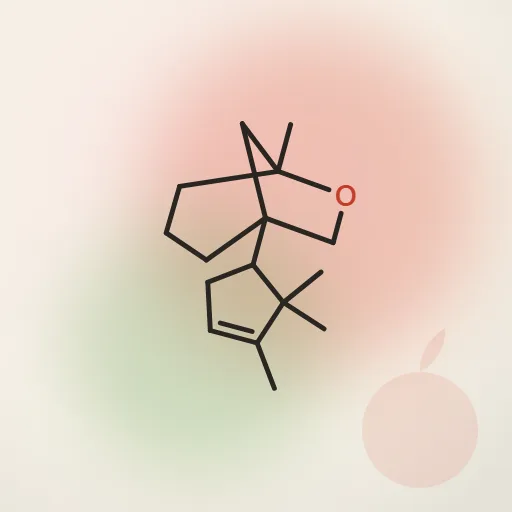
- 5-methyl-1-(2,2,3-trimethylcyclopent-3-en-1-yl)-6-oxabicyclo[3.2.1]octane
The CAS number, formula and molecular weight are taken from PubChem compound 57483301, whose own record lists this CAS number; checked 24 October 2026.
Safety and compliance
This page is general information, not a safety assessment or a specification. Confirm identity, composition, IFRA status and allergen content from your supplier's documents for the lot you hold.
Materials it works with
-

 Blackcurrant Bud Absolute
Absolute · Fruity / Green — blackcurrant, green, sulphurous, fruity
-

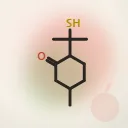 8-Mercapto-p-menthan-3-one
Aroma chemical · Fruity / Green — blackcurrant, buchu, sulfurous, fruity
-
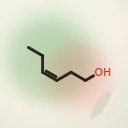 cis-3-Hexenol
Aroma chemical · Green / Fruity — green, cut grass, leafy, fresh
Cassiffix is also suggested as a partner on the pages for Buchu Oil and Paradisamide.
Used in formulas and accords
Used in 5 published formulas
Cassiffix is an ingredient in 2 perfume formulas and 3 accords in the Formula & Accord Library.
Community formulas
RUŌOD House Originals
Original compositions by RUŌOD House.
Further reading
Questions about Cassiffix
Is Cassiffix natural or synthetic?
Cassiffix is synthetic — it is made by chemical synthesis.
What is the CAS number of Cassiffix?
139539-66-5. It was checked against PubChem on 24 October 2026.
Which published formulas use Cassiffix?
Cassiffix is used in 5 published formulas in the RUŌOD Lab Formula & Accord Library, including Blackcurrant Signal, Champagne Accord and Guava Monsoon. Each is listed with a link under "Used in formulas and accords" on this page.
Sources
- PubChem — compound 57483301, checked 24 October 2026.
- Fraterworks — Cassiffix — distributor's description.
- Parfumo — Cassiffix — published perfumery reference.
- Wikipedia — Cassiffix — published perfumery reference.
- Olfactory profile: the RUŌOD Lab team's synthesis of the published descriptions above, reviewed 24 October 2026. Evidence: more than one published description. Classification and the short description: revision 1. Descriptions of odour are judgement, not measurement.