


In short
Alpha farnesene is a sesquiterpene found in apple peel and many essential oils. It has a soft celery note with a fresh, myrrh-like quality.
What Alpha Farnesene smells like
Fraterworks describes farnesene (sold as Farnesene Alpha) as indispensable in the reconstruction of essential oils, with a soft celery note and a fresh, almost myrrh-like quality that blends well with clary sage, lavender and citrus, and with myrrh and opoponax resinoids. Wikipedia attributes the characteristic green-apple odour to alpha-farnesene and describes it more broadly as citrus, herbal, lavender, bergamot, myrrh, neroli, green, woody, vegetable and floral.
- Leading note
- Celery
- Supporting facets
- Myrrh
- Faint facets
- Green
- Character
- Fresh, soft
What makes Alpha Farnesene distinctive
A soft celery note with a fresh, myrrh-like quality, valued by Fraterworks for reconstructing essential oils rather than on its own.
How Alpha Farnesene is used
Used in the reconstitution of essential oils, and with clary sage, lavender and citrus.
Typical role: modifier (used in small amounts to change the character of a blend).
How Alpha Farnesene differs from similar materials
- beta-Ocimene
- beta-Ocimene is a light, warm, flowery terpene; alpha-farnesene is a heavier sesquiterpene, celery-green with a myrrh-like freshness, used mostly to reconstruct essential oils.
Each difference compares the published descriptions of the two materials. Smell varies with grade, supplier and dilution; compare them side by side on blotters before substituting one for another.
Formulation considerations
Beta farnesene is a different isomer; a formula naming only "farnesene" does not say which.
Identity and classification
- Type
- Aroma chemical
- Origin
- Occurs in nature
- Odour family
- Green / Aromatic
- Note position
- Heart note
- Physical form at room temperature
- Liquid
- Also known as
- (E,E)-alpha-Farnesene
- CAS number
- 502-61-4
- Molecular formula
- C15H24
- Molecular weight
- 204.35 g/mol
- IUPAC name
- (3E,6E)-3,7,11-trimethyldodeca-1,3,6,10-tetraene
The CAS number, formula and molecular weight are taken from PubChem compound 5281516, whose own record lists this CAS number; checked 24 October 2026.
Safety and compliance
Hazard classification of the neat substance, as PubChem summarises it, read 26 October 2026. Companies notifying the ECHA C&L Inventory classify it (1,603 reports): H304 may be fatal if swallowed and enters airways (97.5% of reports). 40 of the reports find it does not meet the hazard criteria. Unless it is harmonised, this is the notifiers' own classification, not a binding one.
This page is general information, not a safety assessment or a specification. Confirm identity, composition, IFRA status and allergen content from your supplier's documents for the lot you hold.
Materials it works with
-

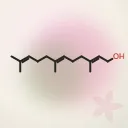 Farnesol
Aroma chemical · Floral / Green — floral, linden, green, mild
-

 Myrrh Resinoid
Resinoid · Resinous / Spicy — balsamic, warm, spicy, resinous
-
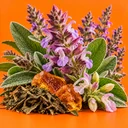
 Clary Sage Oil
Essential oil · Aromatic / Amber — herbal, tea-like, ambery, musky
Used in formulas and accords
Not currently used in any published formula.
The Formula & Accord Library lists Alpha Farnesene here as soon as a published formula, accord or base uses it.
Further reading
Questions about Alpha Farnesene
Is Alpha Farnesene natural or synthetic?
The molecule occurs in nature. Commercial Alpha Farnesene may be made by synthesis or obtained from natural sources, so check the supplier's specification if the distinction matters to you.
What is the CAS number of Alpha Farnesene?
502-61-4. It was checked against PubChem on 24 October 2026.
Sources
- PubChem — compound 5281516, checked 24 October 2026.
- PubChem — GHS classification (the ECHA C&L Inventory notifications and any harmonised EU entry), read 26 October 2026.
- Fraterworks — Farnesene Alpha — distributor's description.
- PubChem — alpha-farnesene (CID 5281516) — odour database.
- Wikipedia — Farnesene — published perfumery reference.
- Olfactory profile: the RUŌOD Lab team's synthesis of the published descriptions above, reviewed 26 October 2026. Evidence: more than one published description. Classification and the short description: revision 1. Descriptions of odour are judgement, not measurement.