

In short
Oregano oil is distilled from Origanum species. It is rich in carvacrol and has a pungent, phenolic herbal odour.
What Oregano Oil smells like
Oregano oil is carvacrol-driven: a GC-MS study of Origanum vulgare ssp. hirtum oil found carvacrol at about two thirds of the oil, with p-cymene and linalool. A PerfumersWorld certificate of analysis gives its odour as medicinal and herbal, and a perfume glossary attributes its sharp, warm, phenolic, almost tar-like opening to carvacrol; carvacrol itself is described as an oregano-like phenol with a medicinal bite, and savory oil, close in composition, as spicy and reminiscent of thyme or origanum.
- Leading note
- Phenolic oregano
- Supporting facets
- Spicy, herbal
- Faint facets
- Medicinal
- Character
- Hot, sharp, warm
What makes Oregano Oil distinctive
Carvacrol in a herb: the hottest, most phenolic of the oregano family.
How Oregano Oil is used
Used in traces where a natural oregano is wanted rather than carvacrol alone, in herbal, aromatic and spicy compositions and in flavours. Its intensity and phenolic bite make it hard to dose, so it is worked from dilution.
Typical role: modifier (used in small amounts to change the character of a blend).
How Oregano Oil differs from similar materials
- Carvacrol
- Carvacrol is the oil's main constituent alone; the oil adds p-cymene and linalool. (compared directly by a cited source)
- Thyme Oil
- Thyme is thymol-led; oregano is carvacrol-led. Both are phenolic and herbal. (compared directly by a cited source)
- Savory Oil
- In one study savory was less carvacrol-heavy, with more cymene and linalool; both share a carvacrol-led, thyme-like character. (compared directly by a cited source)
- Sweet Marjoram Oil
- Sweet marjoram, a close relative, is softer and sweeter; oregano is hot and phenolic.
An asterisk marks a difference that a cited source states directly. The others compare the published descriptions of each material. Smell varies with grade, supplier and dilution; compare them side by side on blotters before substituting one for another.
Formulation considerations
High in phenols, which can irritate skin; use at low levels.
Identity and classification
- Type
- Essential oil
- Origin
- Natural
- Odour family
- Aromatic / Spicy
- Note position
- Heart note
- Physical form at room temperature
- Liquid
- Also known as
- Origanum oil
- Botanical source
- Origanum vulgare
- CAS number
- 8007-11-2
The CAS number was checked on 19 October 2026 against a PubChem substance record that gives it for this material. A natural material is a mixture, so it has no single formula; its composition varies with origin and processing.
Safety and compliance
This page is general information, not a safety assessment or a specification. Confirm identity, composition, IFRA status and allergen content from your supplier's documents for the lot you hold.
Materials it works with
-
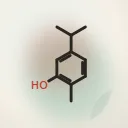 Carvacrol
Aroma chemical · Aromatic / Spicy — oregano, phenolic, herbal, spicy
-

 Thyme Oil
Essential oil · Aromatic / Spicy — herbal, phenolic, medicinal, warm
-

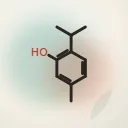 Thymol
Aroma chemical · Aromatic / Spicy — thyme, medicinal, herbal, phenolic
-

 Sweet Marjoram Oil
Essential oil · Aromatic / Spicy — herbal, warm, spicy, woody
Oregano Oil is also suggested as a partner on the pages for Savory Oil.
Used in formulas and accords
Not currently used in any published formula.
The Formula & Accord Library lists Oregano Oil here as soon as a published formula, accord or base uses it.
Further reading
Questions about Oregano Oil
Is Oregano Oil natural or synthetic?
Oregano Oil is natural. It is a volatile oil obtained from plant material by steam distillation or, for citrus peels, by cold expression.
What is the CAS number of Oregano Oil?
8007-11-2, the registry number for the essential oil as a substance rather than a single molecule. It was checked against PubChem on 19 October 2026.
Sources
- PubChem — substance 87574067, checked 19 October 2026.
- IJPER — Essential oil of oregano and savory: chemical composition and antimicrobial activity — published literature.
- Premiere Peau — Carvacrol — published perfumery reference.
- PerfumersWorld — oregano oil certificate of analysis — distributor's description.
- Première Peau — Oregano — published perfumery reference.
- Olfactory profile: the RUŌOD Lab team's synthesis of the published descriptions above, reviewed 26 October 2026. Evidence: more than one published description. Classification and the short description: revision 1. Descriptions of odour are judgement, not measurement.