

In short
Creosol is 4-methylguaiacol, a phenol with a spicy, smoky vanilla note, leathery inflexions and a medicinal, balsamic undertone. It is a component of wood creosote and is used as a modifier in leather, smoky and white floral accords.
What Creosol smells like
Givaudan describes creosol as a spicy vanilla note with leathery inflexions and medicinal, balsamic undertones, useful as a modifier in white florals and in floral, leather and animalic compositions; it lasts a day on a blotter. JECFA records a sweet, spicy, slightly vanilla-like odour. Fraterworks finds a smoky-spicy phenolic warmth, like vanilla pods charred over a fire, with woody depth and leather sophistication.
- Leading note
- Smoky vanilla
- Clear facets
- Spice
- Supporting facets
- Leather, medicinal
- Faint facets
- Balsamic
- Character
- Phenolic, warm, smoky
What makes Creosol distinctive
Vanilla with smoke and leather in it: the bridge between guaiacol's smoke and vanillin's sweetness.
How Creosol is used
Fraterworks uses it in castoreum bases, smoky gourmands and leather accords and to make white florals more narcotic; Givaudan as a modifier in white floral, leather and animalic compositions.
Typical role: modifier (used in small amounts to change the character of a blend).
How Creosol differs from similar materials
- 4-Ethylguaiacol
- Both are smoky guaiacols. Ethyl guaiacol is the drier, more smoked-meat phenol; creosol carries more sweet vanilla and spice.
Each difference compares the published descriptions of the two materials. Smell varies with grade, supplier and dilution; compare them side by side on blotters before substituting one for another.
Formulation considerations
A phenol: powerful and easy to overdose into a medicinal note.
Identity and classification
- Type
- Aroma chemical
- Origin
- Synthetic
- Odour family
- Spicy / Leather
- Note position
- Heart note
- Physical form at room temperature
- Liquid
- Also known as
- 2-Methoxy-4-methylphenol, 4-Methylguaiacol
- CAS number
- 93-51-6
- Molecular formula
- C8H10O2
- Molecular weight
- 138.16 g/mol
- IUPAC name
- 2-methoxy-4-methylphenol
The CAS number, formula and molecular weight are taken from PubChem compound 7144, whose own record lists this CAS number; checked 7 November 2026.
Safety and compliance
The IFRA Standards Library lists a Standard covering Creosol:
- "2-Methoxy-4-methylphenol" — Restriction, 49th Amendment, published 2020-01
Limits differ by product category and are set out in the Standard itself; this page does not reproduce them. The list above reflects the library as read on 19 October 2026.
Hazard classification of the neat substance, as PubChem summarises it, read 7 November 2026. Companies notifying the ECHA C&L Inventory classify it (1,728 reports): H302 harmful if swallowed (99.8% of reports); H315 causes skin irritation (99.8% of reports); H319 causes serious eye irritation (99.7% of reports); H317 may cause an allergic skin reaction (97.2% of reports). 3 of the reports find it does not meet the hazard criteria. A skin sensitiser classification concerns handling the neat material and the dose in a finished product; the IFRA Standards, where they apply, set the limits. Unless it is harmonised, this is the notifiers' own classification, not a binding one.
This page is general information, not a safety assessment or a specification. Confirm identity, composition, IFRA status and allergen content from your supplier's documents for the lot you hold.
Materials it works with
-
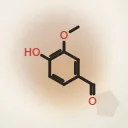 Vanillin
Aroma chemical · Gourmand / Amber — vanilla, sweet, creamy
-
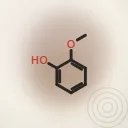 Guaiacol
Aroma chemical · Leather / Woody — smoky, phenolic, medicinal, woody
-

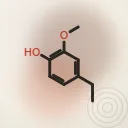 4-Ethylguaiacol
Aroma chemical · Leather / Spicy — smoky, clove, bacon, phenolic
-

 Castoreum Absolute
Absolute · Animalic / Leather — leathery, animalic, sweet, raspberry
-
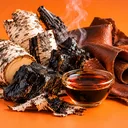
 Birch Tar Oil (Rectified)
Essential oil · Leather / Woody — smoky, leathery, tarry, phenolic
-
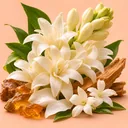
 Tuberose Absolute
Absolute · Floral / Gourmand — white floral, creamy, narcotic, buttery
Used in formulas and accords
Not currently used in any published formula.
The Formula & Accord Library lists Creosol here as soon as a published formula, accord or base uses it.
Further reading
Questions about Creosol
Is Creosol natural or synthetic?
Creosol is synthetic — it is made by chemical synthesis.
What is the CAS number of Creosol?
93-51-6. It was checked against PubChem on 7 November 2026.
Is Creosol covered by an IFRA Standard?
Yes. The IFRA Standards Library lists a Standard covering it: "2-Methoxy-4-methylphenol" — Restriction, 49th Amendment. The limits depend on the product category; read the Standard itself before formulating.
Sources
- PubChem — compound 7144, checked 7 November 2026.
- PubChem — GHS classification (the ECHA C&L Inventory notifications and any harmonised EU entry), read 7 November 2026.
- IFRA — Standards Library, read 19 October 2026.
- Givaudan — Creosol — manufacturer's description.
- Fraterworks — Creosol — distributor's description.
- PubChem — 2-methoxy-4-methylphenol (JECFA description) (CID 7144) — odour database.
- Wikipedia — Creosol — published perfumery reference.
- Olfactory profile: the RUŌOD Lab team's synthesis of the published descriptions above, reviewed 7 November 2026. Evidence: several independent published descriptions, which agree. Classification and the short description: revision 1. Descriptions of odour are judgement, not measurement.